
WhatsApp:+86 15236742901

Email:sale@xxdahan.com


WhatsApp:+86 15236742901
Email:sale@xxdahan.com
Wednesday February-04 2026 17:46:11
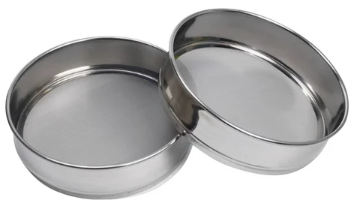
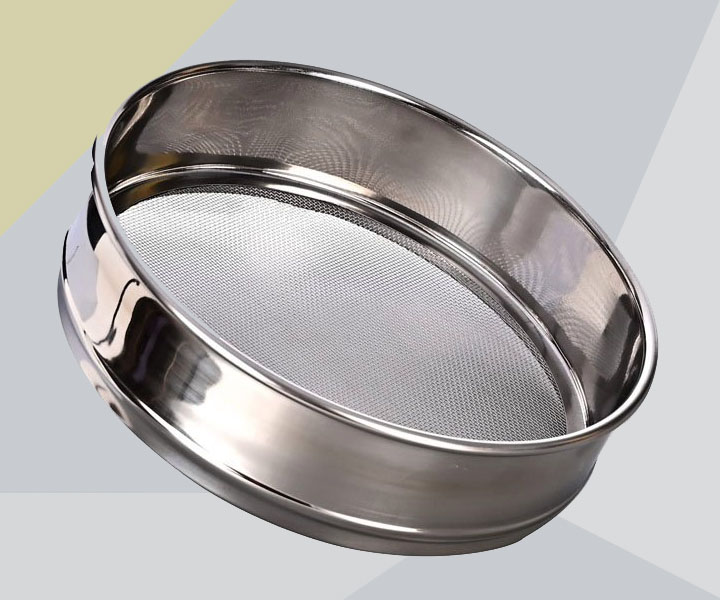
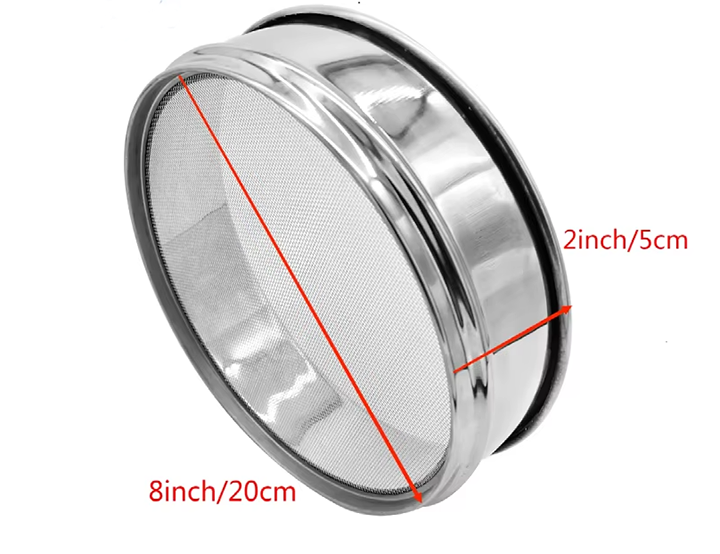
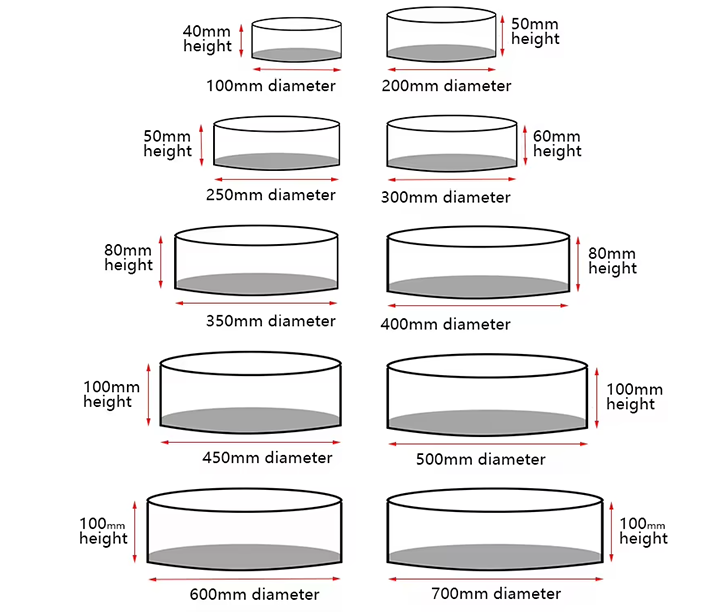
test sieves are used for silica sand particle size analysis. They separate different particles through standardized mesh openings, thus revealing the particle size distribution of the sand. Sieves typically conform to ASTM E11 or ISO 3310 standards. Common sieve frame diameters are 3 inches, 8 inches, and 12 inches. Laboratory testing of silica sand often uses 8-inch and 12-inch sieves for their convenience in terms of capacity and operation. Mesh sizes cover various applications of silica sand, from coarse sieves such as 4.75mm and 2.36mm to fine sieves such as 75μm, 38μm, and even 20μm; the higher the mesh count, the smaller the mesh size. In terms of materials, test sieve for silica sand is generally made of 304 or 316L stainless steel, which is wear-resistant, corrosion-resistant, and has stable pore size. Sieves can be made of a brass and stainless steel composite or entirely of stainless steel. Fine mesh sieves sometimes have a bottom lining for increased durability.
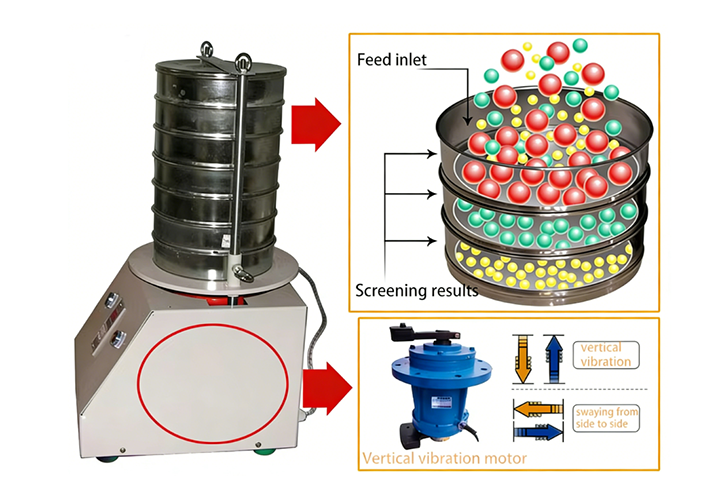
When using a test sieve for silica sand for particle size analysis, it is essential to follow standard procedures, as key parameters can significantly impact the results. The sampling amount should be determined based on the maximum particle size. If the maximum particle size is ≤2.36mm, take 100–500 grams of silica sand; if the maximum particle size is ≤4.75mm, take 500–1000 grams to ensure that the sample is representative. The choice between dry and wet sieving depends on the sand's condition: dry sieving is suitable for dry, non-sticky coarse to medium sand, offering quick operation and easy recovery; wet sieving is used for sand containing mud, powder, or prone to clumping, flushing the particles with approximately 1.5 L/min to prevent clogging. Sieving should be assisted by a vibrating screen. Dry sieving typically takes 10–15 minutes, while wet sieving takes 15–20 minutes, until the sieve residue is ≤0.1% for two consecutive minutes. For calculations, dry the residue to constant weight and then calculate the percentage. A particle size curve can also be plotted to observe sand distribution and uniformity.
| Mesh | Aperture Diameter (mm) | Aperture Diameter (μm) | Typical Application |
| 4# | 4.75 | 4750 | Extra Coarse Sand/Coarse Granules |
| 8# | 2.36 | 2360 | Coarse Sand |
| 10# | 2.00 | 2000 | Sand Grain Classification |
| 16# | 1.18 | 1180 | Medium Sand |
| 30# | 0.60 | 600 | Fine Sand |
| 40# | 0.425 | 425 | Fine Granules |
| 50# | 0.30 | 300 | Very Fine Granules/Silt |
| 80# | 0.180 | 180 | Finest Powder |
| 100# | 0.15 | 150 | Ultrafine Granules |
| 120# | 0.125 | 125 | Superfine Granules |
| 140# | 0.106 | 106 | Superfine Granule Classification |
| 200# | 0.075 | 75 | Ultrafine Powder |
| 300# | 0.050 | 50 | Super Ultrafine Powder |
| 400# | 0.038 | 38 | Extremely Fine Powder |
| 500# | 0.025 | 25 | Fine Powder Classification |
The Test Sieve for Silica Sand helps you separate silica sand by particle size and performs simple tests. It separates multiple particle size ranges at once using a multi-layered sieve, allowing you to quickly see the fineness distribution of the sand and check if it meets the requirements of industries such as construction and glass. It can also test for mud content and fine powder; for example, using a wet sieve to remove clay impurities, ensuring the sand is clean. During processing, it can also observe particle size changes after crushing and grinding, facilitating process adjustments to maintain product consistency. Its design conforms to ASTM and ISO standards, ensuring comparable data and traceability. It can be used in both laboratory R&D and factory batch testing. It can be used with vibrating screens and tapping screens, supporting dry sieving, wet sieving, and ultrasonic sieving, offering great operational flexibility.
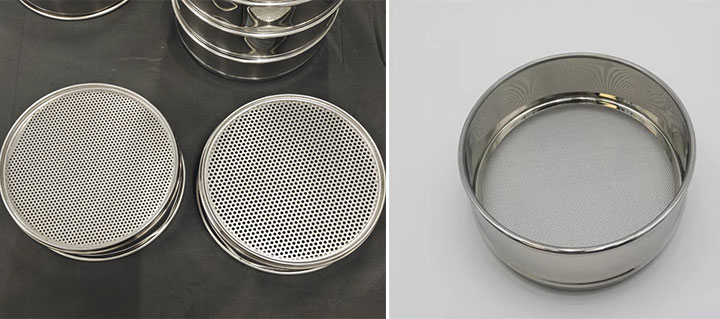
The price of the Test Sieve for Silica Sand varies depending on the diameter, material, and mesh precision. Small 3-inch brass or stainless steel sieves cost approximately $40–90 and are suitable for rapid testing of small samples. Commonly used 8-inch laboratory sieves with brass frames and stainless steel mesh cost around $70–160, while all-stainless steel models cost $80–190. Very fine No. 400 mesh sieves cost around $265–290. Economical industrial sieves are 10–20% cheaper, but their precision and durability are slightly lower. The appropriate sieve should be selected based on the specific testing requirements of the silica sand.
Test sieve for silica sand are used in all stages of silica sand production, helping to ensure quality control. In construction and infrastructure, they are used to test the particle size of silica sand in concrete and asphalt, ensuring proper aggregate filling and more robust and durable projects. In the glass industry, they sieve high-purity silica sand of 0.15–0.6mm, resulting in glass with good light transmission and a smooth surface. In water treatment, they are used to separate filter media of different particle sizes, improving filtration efficiency. The sand used in oil fracturing also needs to be screened to confirm its particle size and ensure proppant performance. It is also used in casting, chemical fillers, and photovoltaic silicon material purification, using particle size analysis to match different process requirements. Using it, the particle size of silica sand can remain stable and consistent from raw material to finished product, making it a commonly used basic testing tool in industrial production.
Feb 04, 2026
Test sieve for silica sand can be used for silica sand particle size analysis. By separating differen...
Feb 03, 2026
Aggregate Testing Equipment for Construction Materials
Aggregate Testing Equipment for Construction Materials is equipment used to perform performance testi...
Feb 02, 2026
International Standard Laboratory Stainless Steel Test Sieve
International Standard Laboratory Stainless Steel Test Sieve is a screening tool used to analyze the ...
Jan 27, 2026
vibratory test sieve with sample loading
vibratory test sieve with sample loading involves loading the sample to be sieved into a vibrating si...

Then we look forward to hearing from you