
WhatsApp:+86 15236742901

Email:sale@xxdahan.com


WhatsApp:+86 15236742901
Email:sale@xxdahan.com
Tuesday March-10 2026 17:30:37
Laboratory Test Sieve For Fly Ash is an instrument used for particle analysis of fly ash. Sieving accuracy directly affects powder testing results. Its sieves are typically made of stainless steel, and the frame is robust and wear-resistant. The Laboratory Test Sieve measures the particle size distribution and uniformity of the powder. Fly ash is a fine ash produced by coal-fired power plants and is used as an additive in cement and concrete production. Sieving fly ash helps laboratories understand the particle size range, assess its performance in blends, and provide data to support concrete or cement mix adjustments.
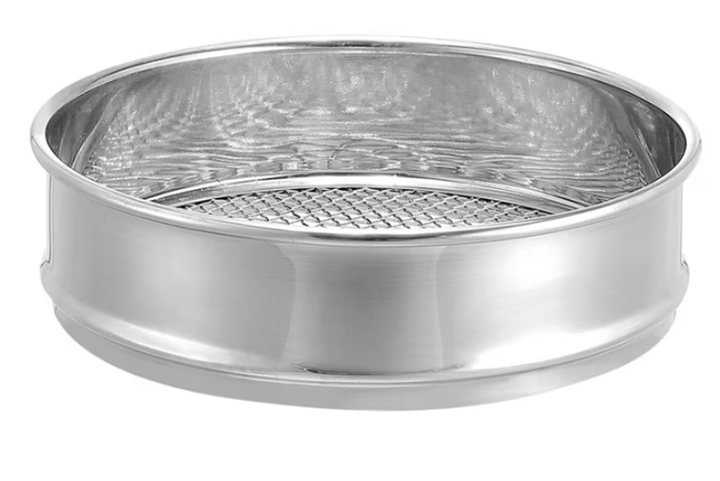
The advantages of the Laboratory Test Sieve for Fly Ash lie in its ease of operation and data comparability. The sieves are woven from 304 or 316L stainless steel, with uniform openings covering a range of 20 micrometers to 2000 micrometers. The sieve edges are seamlessly welded to the frame. The sieve frame is made of stainless steel plate, with a strong overall structure that resists deformation and can withstand water pressure during wet sieving. The operation process is clear, with corresponding steps from sample preparation to sieving completion, ensuring repeatable test results. For fine powder materials like fly ash, wet sieving reflects the actual fineness better than dry sieving, avoiding measurement deviations caused by particle agglomeration. The instrument's moderate size facilitates laboratory placement and movement, maintaining particle stability during sample processing and minimizing human interference. Researchers can observe the proportional changes in different particle size ranges using combinations of sieves with varying apertures, providing a reference for material proportioning and performance evaluation.
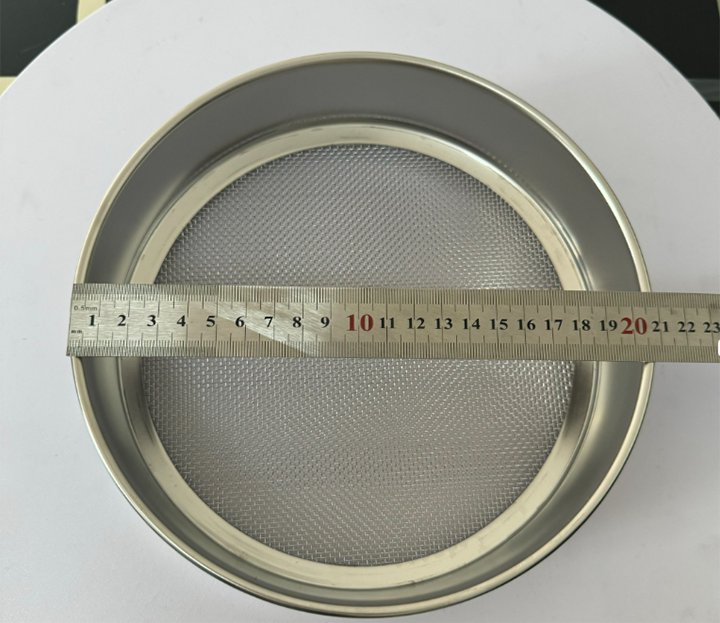
The Laboratory Test Sieve For Fly Ash complies with multiple international and domestic standards. Common standards include ASTM C430, ASTM E11, ISO 3310-1, EN 451-2, and GB/T 1596. These standards specify sieve aperture sizes, frame dimensions, tolerance ranges, and testing methods. Adherence to these standards ensures comparability of experimental data across different laboratories and meets industry testing requirements. Different mesh sizes of sieves can be combined to meet various testing needs, helping laboratories obtain data references when analyzing particle distribution.
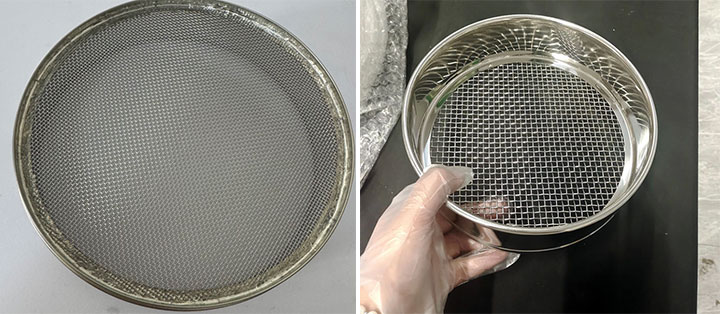
| Parameter | Description |
| Sieve Frame Diameter | 75 mm, 100 mm, 150 mm, 200 mm, 300 mm |
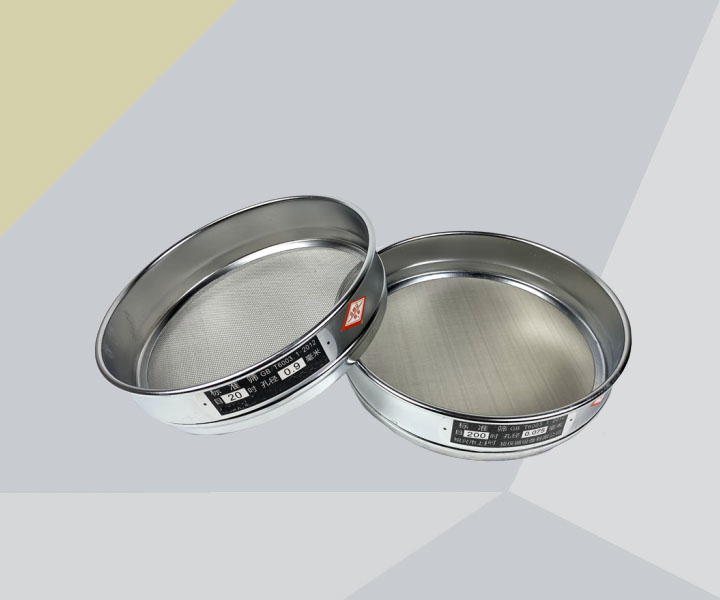
| Sieve Mesh Opening | 45 μm (325 mesh), 75 μm (200 mesh), 150 μm (100 mesh) |
| Sieve Frame Material | Stainless Steel 304 / Stainless Steel 316 |
| Sieve Mesh Material | Stainless Steel Wire Mesh / Electroformed Mesh |
| Precision | Conforms to ASTM E11 / ISO 3310-1 Standard Tolerance |
| Sieve Frame Height | 25 mm (half height), 50 mm (full height) |
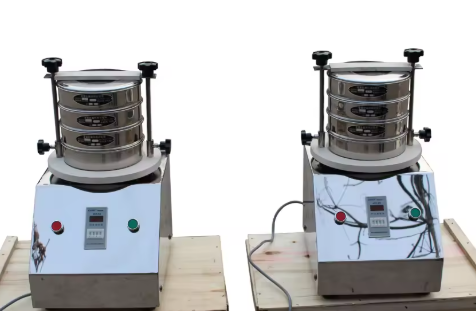
| Supporting Equipment | Laboratory Sieve Shaker, Air Jet Sieve |
Applications of Laboratory Test Sieve For Fly Ash include cement plants, concrete laboratories, and coal-fired power plant laboratories. In cement production, sieve analysis provides information on fly ash fineness, assisting in adjusting cement mixing ratios. In concrete laboratories, researchers can use sieve analysis to understand powder mixing effects and assist in mix optimization. Power plant laboratories use sieve analysis to assess ash particle distribution, providing data support for subsequent material utilization. Through the processing and comparison of experimental data, companies can gain a clearer understanding of raw material characteristics and material performance in products.
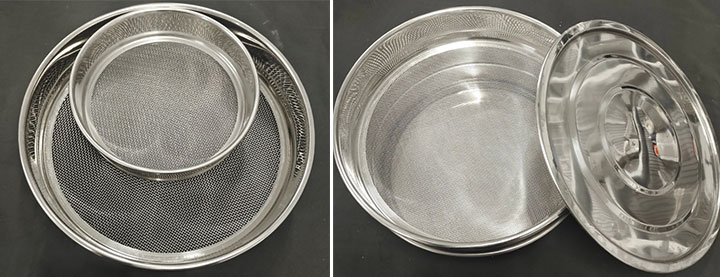
Laboratory Test Sieve For Fly Ash not only provides particle distribution information but also assists laboratories in completing material quality assessments and mix adjustments. By adhering to international and domestic standards, laboratories can obtain comparable test data, providing information support for the production process. Choosing the right screen size and material helps researchers obtain reliable analytical results and provides a reference for the application of fly ash in cement and concrete.
Mar 10, 2026
Laboratory Test Sieve For Fly Ash
Laboratory Test Sieve for Fly Ash is an instrument used for particle analysis of fly ash. Its sieve i...
Mar 07, 2026
Stainless Steel Test Sieve For Pharmaceutical Powder
Stainless Steel Test Sieve For Pharmaceutical Powder can be used to test the particle size of pharmac...
Mar 03, 2026
Test Sieve for Quartz Sand typically uses a sieve size between 0.075 mm and 5 mm, which translates to...
Feb 27, 2026
Test Sieve For Soil Particle Analysis
Test Sieve For Soil Particle Analysis is a sieving instrument used to determine the particle size dis...

Then we look forward to hearing from you