
WhatsApp:+86 15236742901

Email:sale@xxdahan.com


WhatsApp:+86 15236742901
Email:sale@xxdahan.com
![[field:title/]](/uploads/250418/2-25041Q43451132.png)
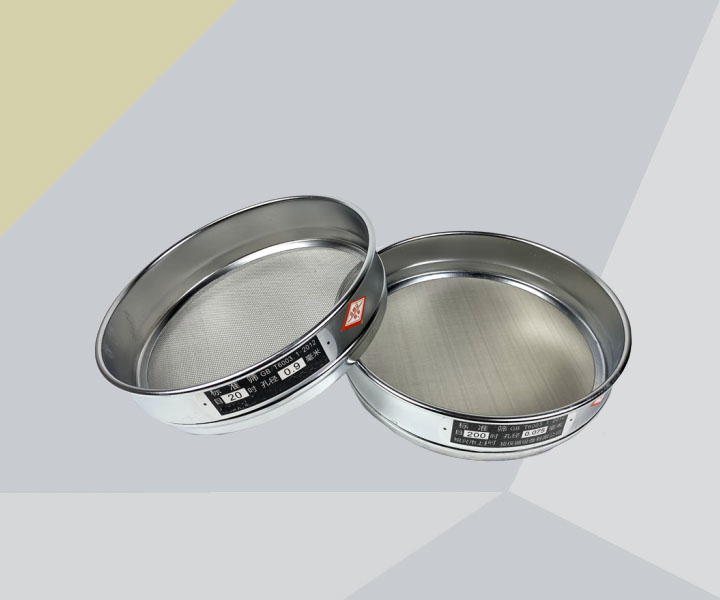
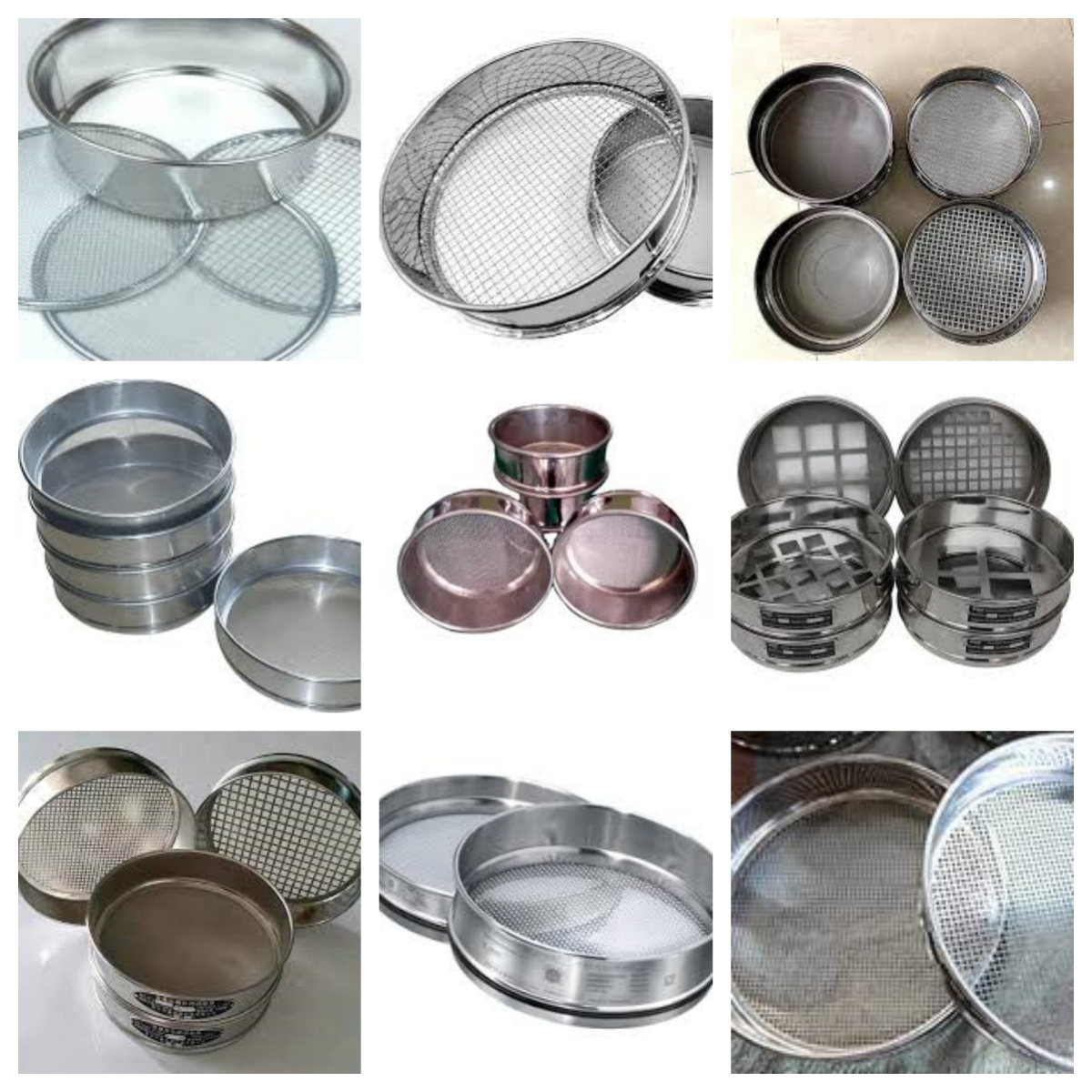
Mineral ores test sieve is a device used to screen ore samples in laboratories or small-scale production, mainly used to determine the particle size distribution and particle size of the ore. It plays an important role in ore analysis, mineral processing and quality control.
1.Diameter is 200mm, mesh size is 10-200 mesh
2.Sieve number: 1-9 (the larger the sieve number, the finer the powder)
Port: Any port in China (Mainland)or as you need.
|
Quantity(sets) |
1-2 |
>2 |
|
Delivery time(days) |
5 |
To be negotiated |
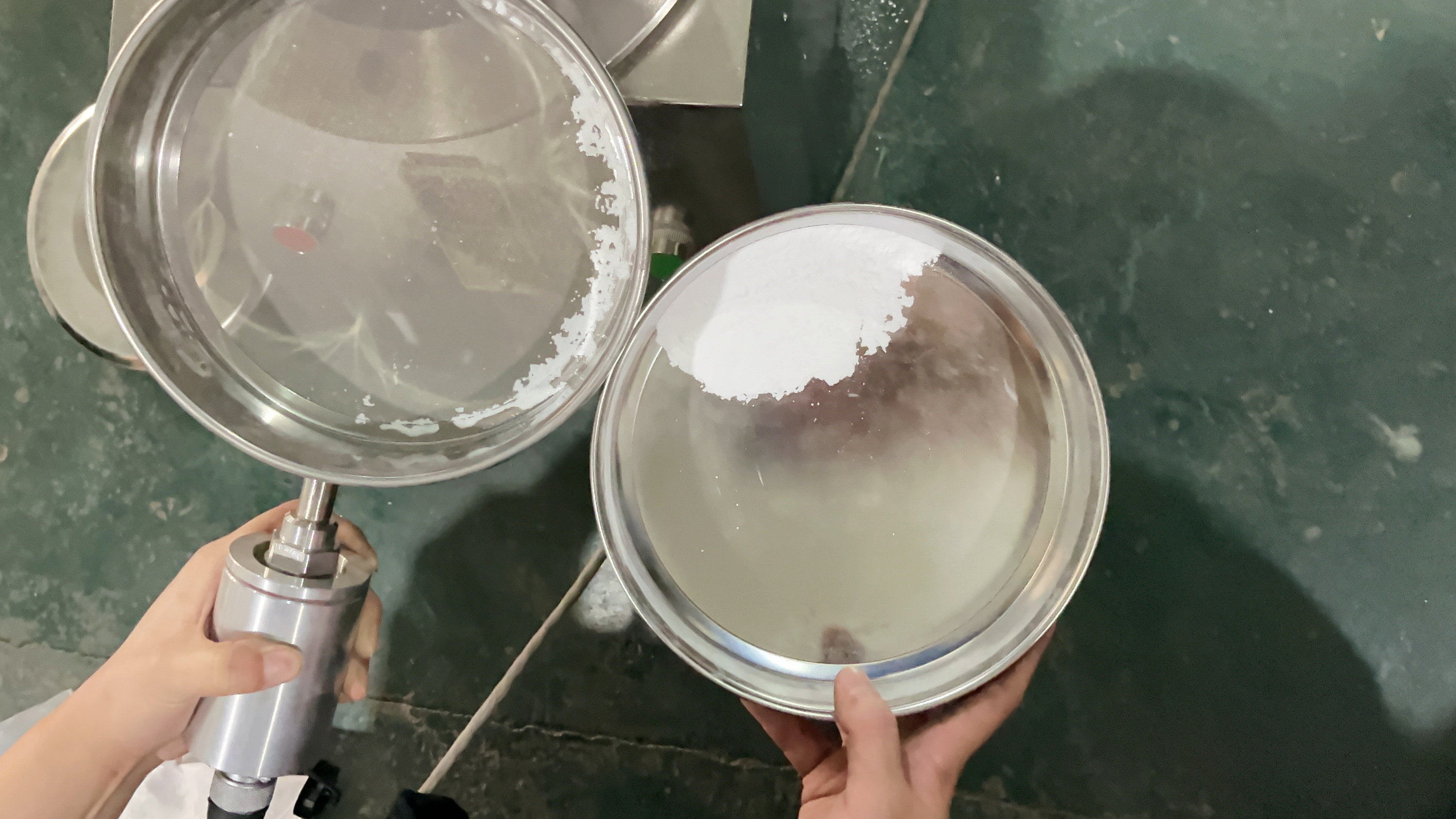
Mineral Ores Test Sieve is a device used for laboratory or on-site ore analysis and screening tests. It is usually used for screening, grading, particle size analysis and other experiments on ore samples to evaluate the physical properties of the ore and determine the best ore processing method. The main function of the mineral ores test sieve is to help research institutions and other institutions to conduct preliminary screening and evaluation of ore samples, and provide reference and data support for subsequent process flows.
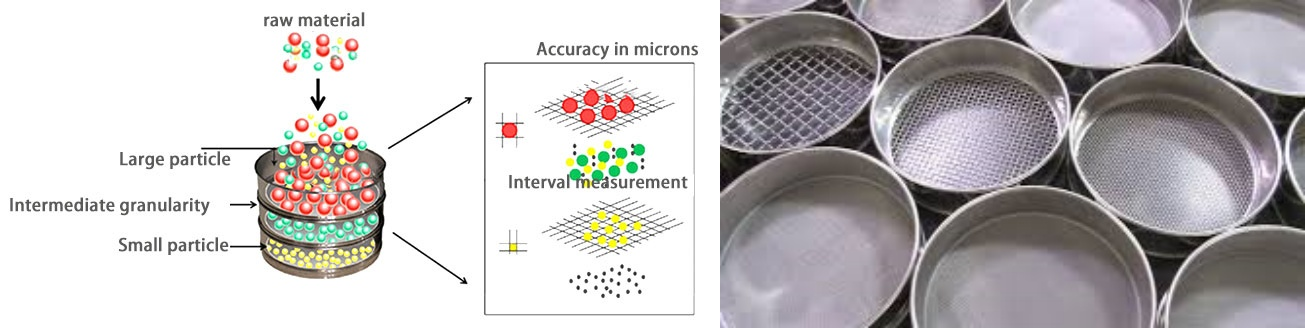
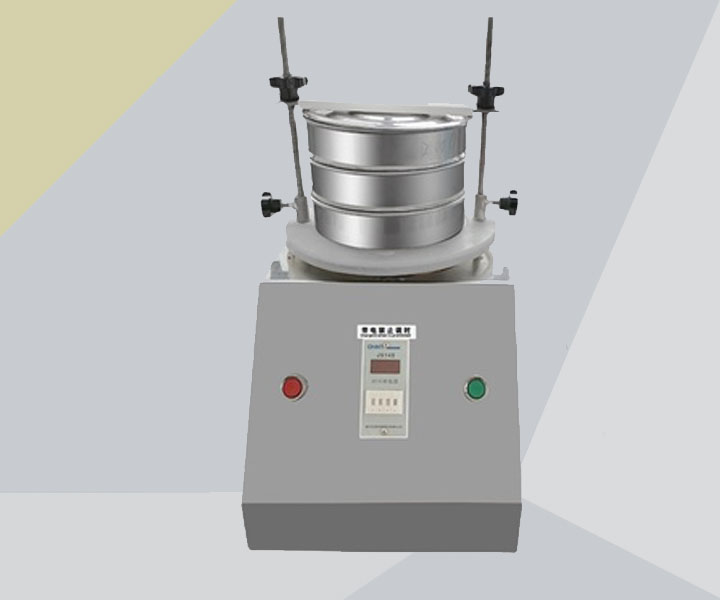
The Mineral Ores Test Sieve works by physically screening the particles in an ore sample by size through a series of sieves with varying apertures. This process is commonly known as sieve analysis. First, a set of standard test sieves (usually round) are stacked in descending order of aperture. The largest sieve is placed on top, the smallest on the bottom, and a tray at the bottom collects all particles that pass through the smallest sieve openings. A representative, known weight of the ore sample is then poured onto the top sieve. The entire set of sieves is then placed in a specialized sieve shaker. The shaker, driven mechanically or electromagnetically, generates vibrations and agitation, causing the ore particles to bounce and rotate on the sieve surface. This motion ensures that every particle has the opportunity to pass through the sieve openings in the optimal orientation. As the particles are shaken, those smaller than the sieve openings pass through the sieves and fall onto the next sieve. This process is repeated until every particle has landed on the finest sieve it can pass through. Particles larger than the sieve openings are retained on the sieve surface. Finally, after the preset screening time, each sieve layer is removed and the weight of the retained ore particles is measured. By calculating the percentage of the weight of the particles on each sieve layer relative to the total sample weight, the particle size distribution data for the ore sample is obtained. The core principle of this process is to use sieve aperture size as a separation criterion, classifying irregularly shaped ore particles according to their passing capacity. The vibration generated by the vibration device makes the ore particles jump, roll and other movements on the screen. The ore particles smaller than the size of the screen hole fall through the screen hole, while the particles larger than the size of the screen hole remain on the screen, thereby realizing the classification of ore particles according to particle size.
|
Parameter name |
Parameter value |
Parameter name |
Parameter value |
|
Screening accuracy |
20 mesh (850μm) to 500 mesh (25μm) |
Screening area |
Diameter 300mm |
|
Vibration frequency |
2800rpm |
Amplitude |
2mm |
|
Number of screening layers |
1-5 layers |
Processing capacity |
100kg/h |
|
Motor power |
0.75kW |
Screen material |
Stainless steel |
|
Equipment size |
500×500×800mm |
Power requirement |
220V/50Hz |
|
Noise level |
≤75dB |
Weight |
50kg |
|
Screening time |
5-15min |
Applicable particle size range |
25μm to 10mm |
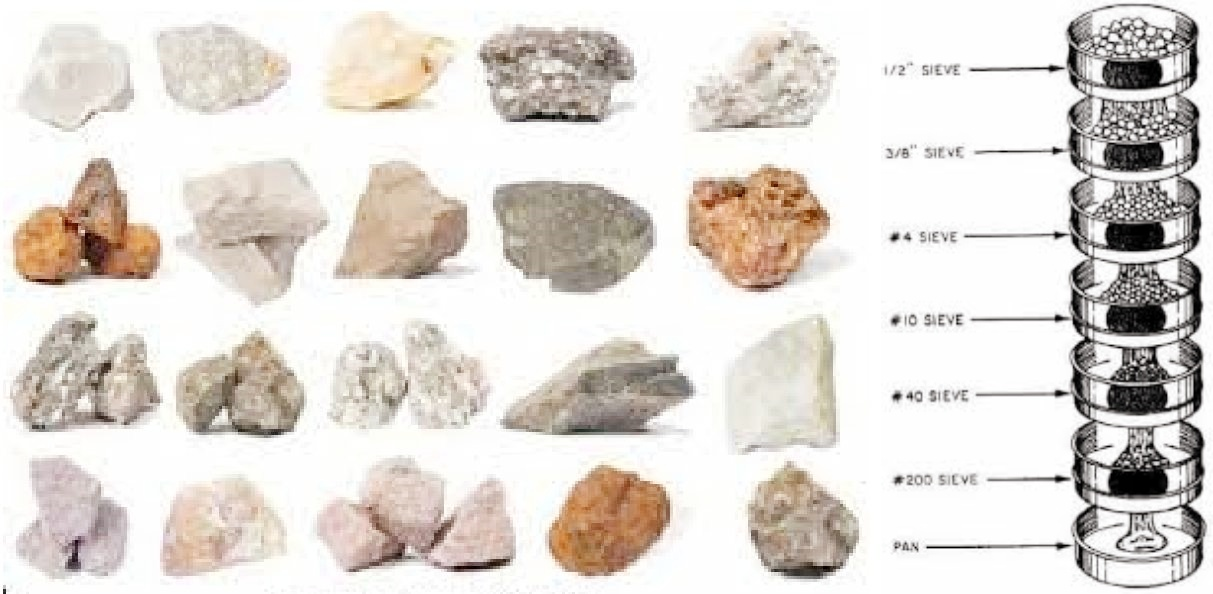
1. Accurate particle size analysis and screening: Mineral ores test sieve is designed based on strict sieve size standards and can accurately classify and analyze ore particles. In the process of ore crushing, mineral processing, smelting, etc., the particle size distribution directly affects the effect of subsequent processes and product quality.
2. Improve product quality and purity: The high screening accuracy and accuracy of mineral ores test sieve help improve the quality and purity of the product, remove impurities and unqualified particles in the ore, and ensure that the final product has uniform particle size and stable quality.
3. Optimize the production process: Through particle size analysis, problems in the production process can be discovered in time, such as uneven particle size of the crusher discharge and decreased mineral processing efficiency, so that corresponding measures can be taken to adjust and improve.
4. Meet environmental protection requirements: Mineral ores test sieve can not only reduce the amount of dust generated during ore processing, but also recycle the fine-grained materials generated during the screening process to maximize the utilization of resources.
The Mineral Ores Test Sieve is a device used for particle size analysis of ore particles. Its core structure consists of five key components. The sieve frame serves as the equipment's backbone, providing stable support for the entire screening process and accommodating the material to be classified. The screen mesh installed within the frame is the core component that determines screening accuracy. Made of woven wire, its aperture size directly affects the final screening result. The vibration device, typically consisting of an electric motor and an exciter, is the power source for the screening process. It generates controlled vibrations, causing the material to bounce and disperse on the sieve mesh, thereby achieving effective separation. The entire device is supported by a sturdy base, ensuring stability even under high-speed vibrations and effectively reducing vibration transmission to the external environment.
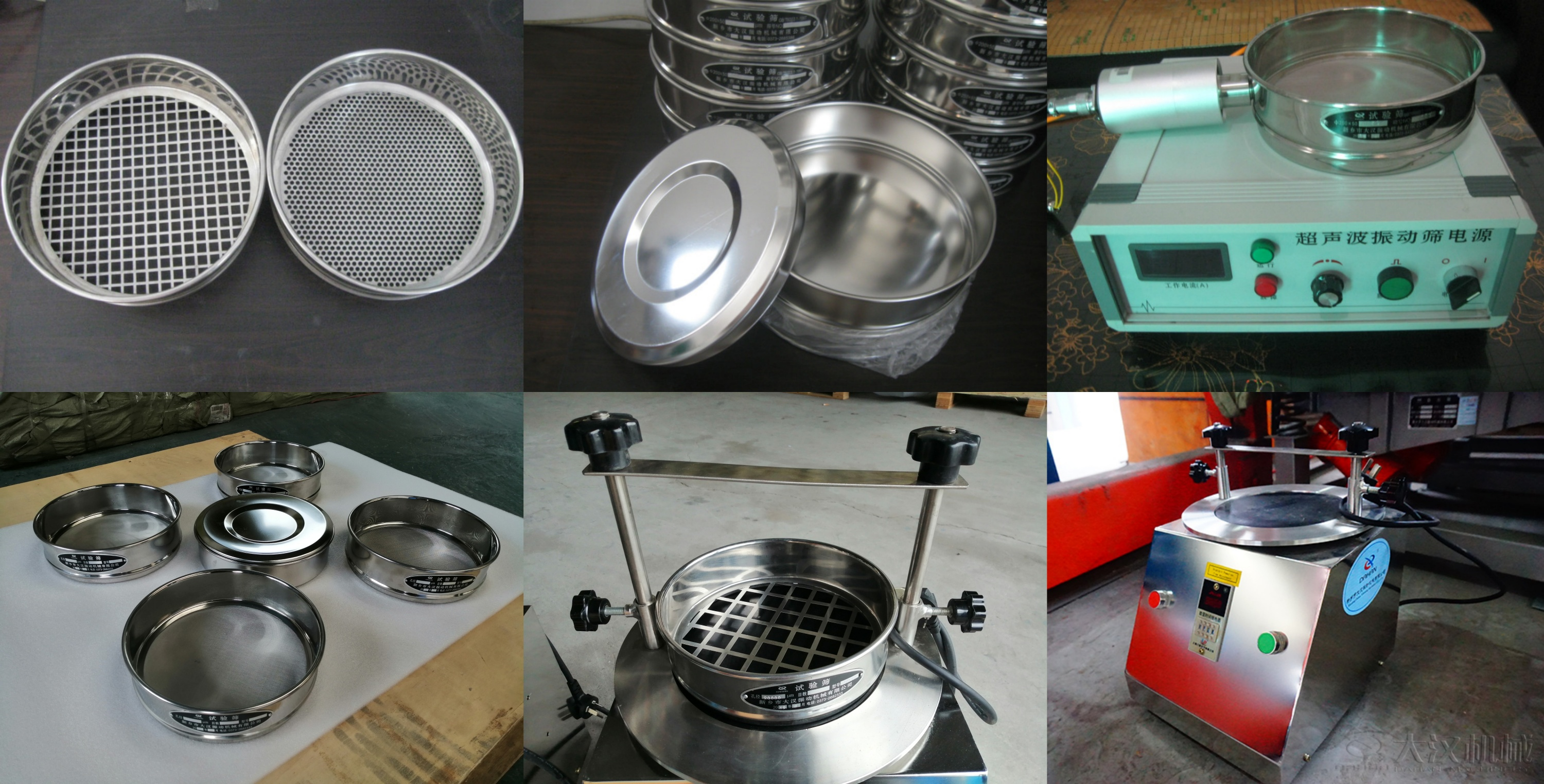
The ore test screen is mainly composed of the following parts:
Screen frame: supports the screen and material.
Screen: woven from metal wire, the aperture size determines the screening accuracy.
Vibration device: drives the screen frame to vibrate, usually composed of a motor and an exciter.
Base: supports the equipment and reduces vibration transmission.
Control system: adjusts the vibration frequency, amplitude and screening time.
The Mineral Ores Test Sieve offers multiple advantages in mineral processing and analysis, effectively addressing a wide range of complex screening challenges. It addresses the screening challenges of wet or sticky ores. By adding water or liquid during the screening process, it effectively prevents material from adhering to the screen, thereby improving processing efficiency and screening accuracy. For large-particle ores, the Mineral Ores Test Sieve features a reinforced frame and large-aperture screen design, which not only withstands material impact but also effectively separates large particles. Furthermore, for separating fine particles, the device can be equipped with a high-mesh screen to prevent clogging and ensure screening accuracy. Furthermore, through its multi-layered screen configuration, the Mineral Ores Test Sieve can precisely process mixtures with uneven particle sizes, gradually separating particles of varying sizes. This ensures that the final product's particle size distribution meets stringent international standards, providing reliable data support for subsequent processing and quality control.
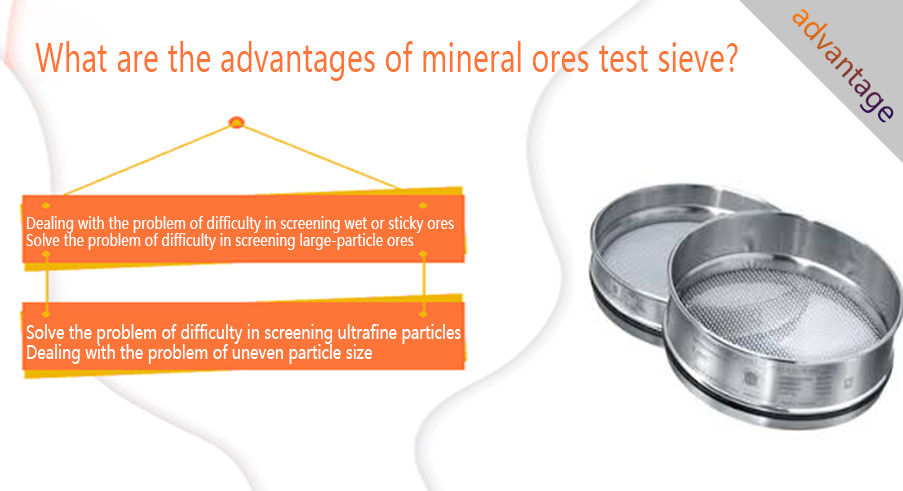
1. Dealing with the problem of difficulty in screening wet or sticky ores: wet or sticky ores are easy to adhere to the screen, affecting the screening effect. Mineral ores test sieve adds water or other liquids during the screening process to prevent material adhesion, which can effectively clean up sticky materials and improve screening efficiency.
2. Solve the problem of difficulty in screening large-particle ores: large-particle ores are difficult to pass through traditional screens and are prone to damage to equipment. Mineral ores test sieve can be equipped with a large-aperture screen (such as 4 mesh or 10 mesh), which is suitable for large-particle screening. The screen frame adopts a reinforced design to withstand the impact of large-particle ores.
3. Solve the problem of difficulty in screening ultrafine particles: ultrafine particles are easy to pass through the screen and difficult to separate accurately. Mineral ores test sieve can be equipped with a high-mesh screen (such as 325 mesh or higher) for ultrafine particle screening, prevent ultrafine particles from clogging the screen, and improve screening accuracy.
4. Dealing with the problem of uneven particle size: after mining or crushing, the particle size distribution of the ore is uneven, which affects subsequent processing and quality control. Mineral ores test sieve can be equipped with multiple layers of screens to separate the particles step by step according to the particle size to ensure uniform particle size. The screen aperture meets international standards (such as ISO, ASTM) to ensure screening accuracy.
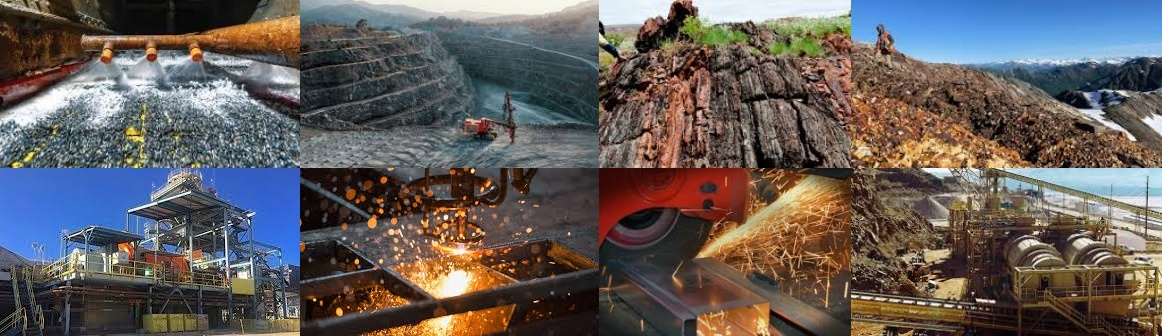
Mineral ores test sieve is widely used in ore processing, geological exploration, metallurgy, chemical industry, building materials, cement, glass, ceramics and other industries as well as scientific research institutes for particle size analysis and screening tests. With the continuous advancement of technology and the continuous expansion of market demand, the application prospects of ore test sieve will be broader.
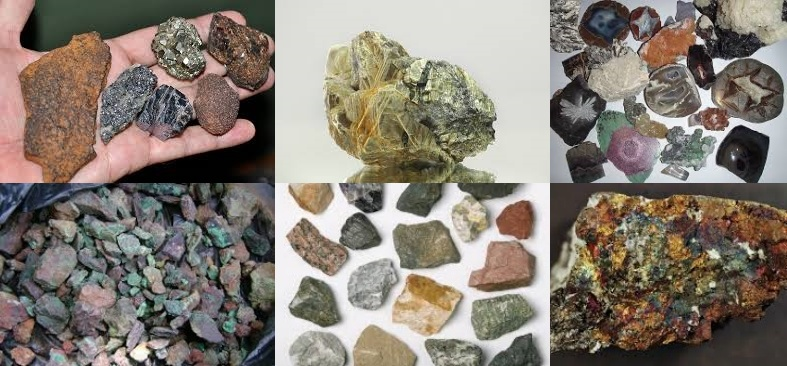
The selection of mesh number of mineral ores test sieve depends on the particle size range of ore sample and the specific needs of the experiment. Mesh number refers to the number of sieve holes per inch length. The larger the mesh number, the smaller the sieve hole and the finer the sieved particles.
① Coarse particle ore (such as iron ore, copper ore)
Recommended mesh number: 4 mesh (4750μm), 10 mesh (2000μm), 20 mesh (850μm)
Applicable scenario: preliminary screening, separation of large ore and impurities.
② Medium particle size ore (such as gold ore, lead-zinc ore)
Recommended mesh number: 20 mesh (850μm), 40 mesh (425μm), 60 mesh (250μm)
Applicable scenario: medium particle size screening, used for classification in mineral processing.
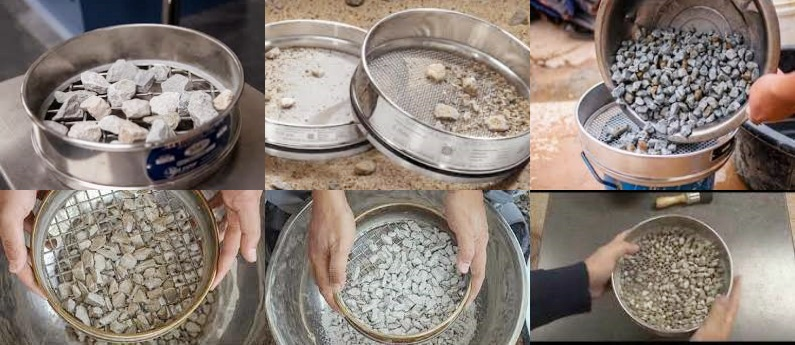
③ Fine-grained ores (such as rare earth ores, titanium ores)
Recommended mesh size: 100 mesh (150μm), 200 mesh (75μm), 325 mesh (45μm)
Applicable scenarios: fine screening for high-precision particle size analysis.
④ Ultra-fine-grained ores (such as kaolin, talcum powder)
Recommended mesh size is 325 mesh (45μm) and above
Applicable scenarios: ultra-fine particle screening for quality control of mineral powders.
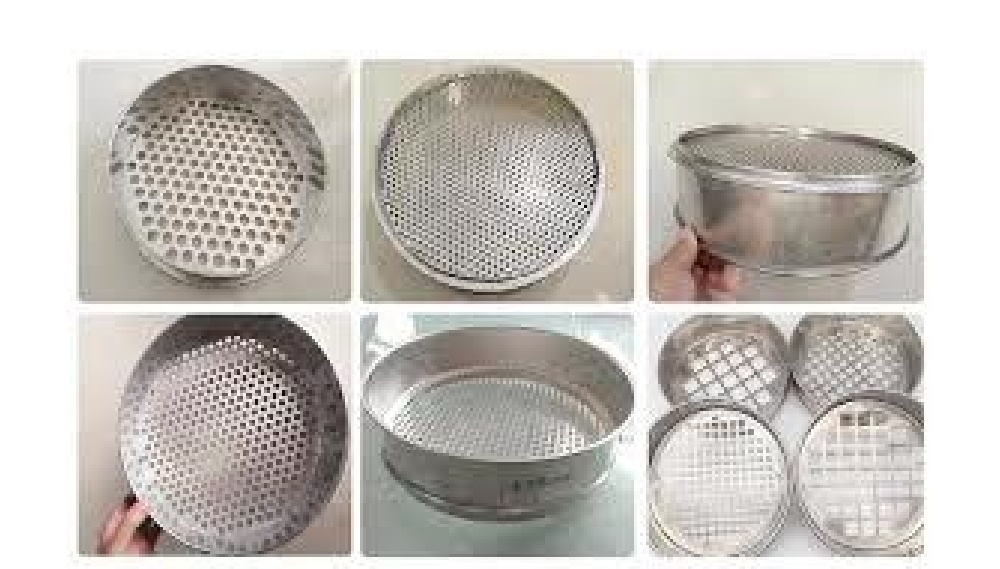
| Sieve hole size (mm) | standard mesh number | Sieve hole size (mm) | standard mesh number |
| 4.75 | 4 mesh | 4.00 | 5 mesh |
| 3.35 | 6 mesh | 2.80 | 7 mesh |
| 2.36 | 8 mesh | 2.00 | 10 mesh |
| 1.70 | 12 mesh | 1.40 | 14 mesh |
| 1.18 | 16 mesh | 1.00 | 18 mesh |
| 0.850 | 20 mesh | 0.710 | 25 mesh |
| 0.600 | 30 mesh | 0.500 | 35 mesh |
| 0.425 | 40 mesh | 0.355 | 45 mesh |
| 0.300 | 50 mesh | 0.250 | 60 mesh |
| 0.212 | 70 mesh | 0.180 | 80 mesh |
| 0.150 | 100 mesh | 0.125 | 120 mesh |
| 0.106 | 140 mesh | 0.090 | 170 mesh |
| 0.0750 | 200 mesh | 0.0630 | 230 mesh |
| 0.0530 | 270 mesh | 0.0450 | 325 mesh |
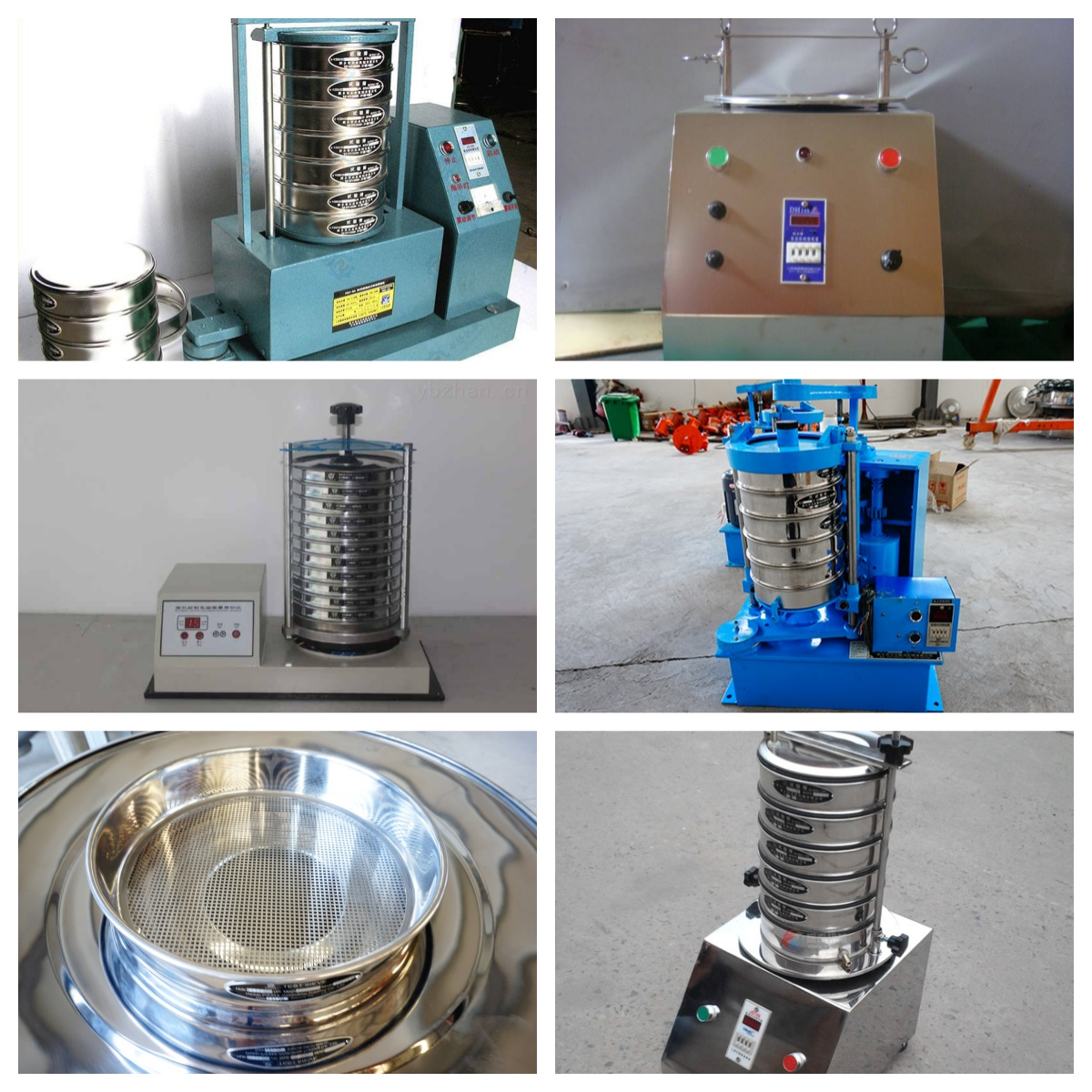
1. Before starting mineral ores test sieve, make sure there is no material on the screen surface to avoid starting the machine with material. Feeding can only be done after the screen machine runs smoothly.
2. During the work process, the operation of the screen machine should be observed frequently. If abnormal movement or abnormal sound is found, the machine should be stopped and checked in time to find out the cause and troubleshoot.
3. Lubricate the vibrator bearing regularly and check the grease condition. If the grease is found to be dry or there are hard lumps, it should be cleaned and replaced with new grease.
4. Pay attention to the location and feeding method of the feeding point to ensure the minimum impact of the material on the screen surface, and feed evenly along the full width of the screen machine.
The price of mineral ores test sieve will be affected by many factors, including brand, model, specification, production material, production process, etc. The price will also fluctuate due to market supply and demand, manufacturer's pricing strategy and different regions. In order to obtain accurate price information, you can consult through Dahan Machinery Customer Service or email at the bottom right to provide corresponding quotation information according to your specific needs.
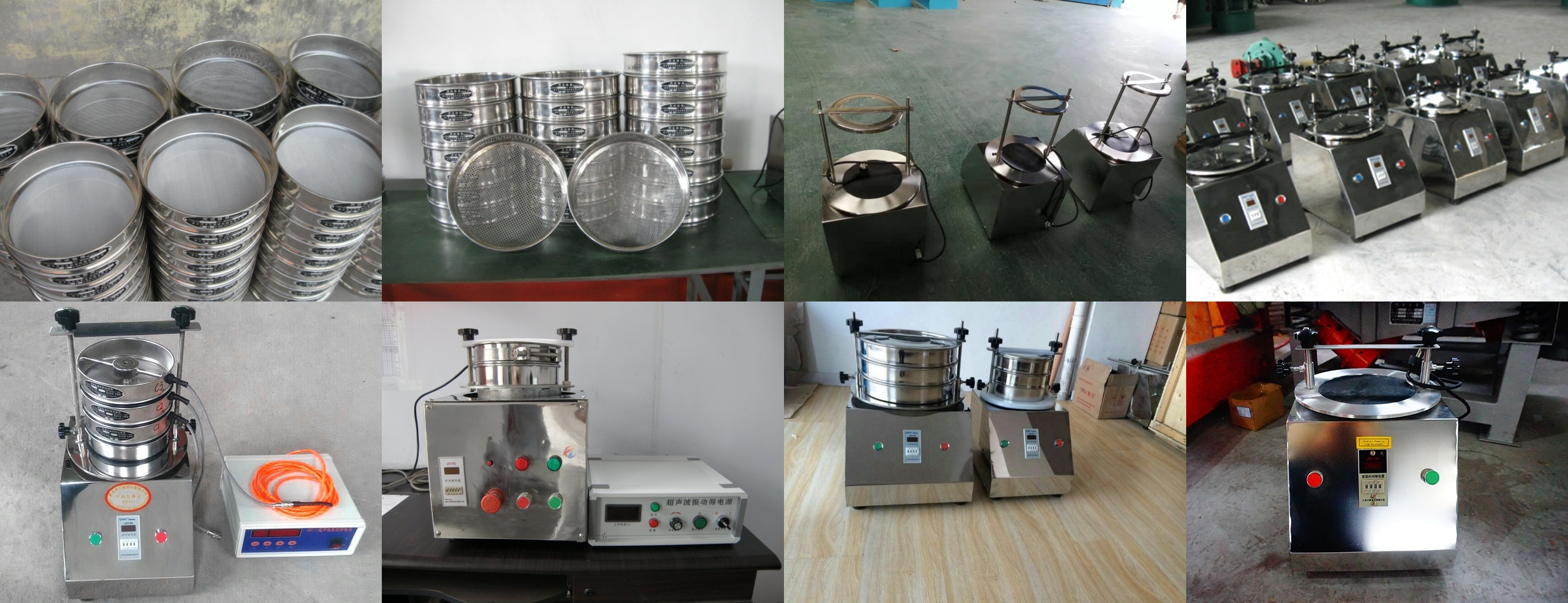
In the field of mineral testing and analysis, manufacturers of mineral ores test sieves typically offer customization capabilities to meet the unique needs of individual clients for specific applications. This customization capability goes beyond simple product assembly, but rather relies on a deep understanding of mineral properties, screening processes, and specific client requirements. First, manufacturers can offer screens and frames made of various materials based on the client's material characteristics (such as moisture, viscosity, abrasiveness) and particle size distribution. For example, for ores with high moisture content and prone to adhesion, manufacturers can design screens with special coatings or self-cleaning features to prevent clogging and ensure screening efficiency. For highly abrasive minerals (such as quartz and diamond), more wear-resistant alloys are used to manufacture the screens and reinforce the frames, extending the equipment's service life. Second, customization is reflected in the balance between screening accuracy and throughput. Manufacturers can precisely adjust the mesh size and number of screen layers to meet the client's experimental or production requirements. For scientific research or quality inspection applications requiring high precision, high-mesh screens that meet specific international standards can be provided. For industrial applications requiring large processing volumes, larger diameter and more powerful screening machines can be designed to improve efficiency while maintaining a certain level of accuracy. Manufacturers can also customize systems based on the operating environment and automation requirements. For dusty or humid environments, enclosed designs that are dust- and moisture-proof can be provided. For automated production lines that require integration with other equipment (such as crushers and conveyors), manufacturers can integrate corresponding control systems to enable remote control and data collection, further simplifying operational processes and reducing manual intervention.
Five Advantages of Rotap Sieve Shaker
Rotap Sieve Shaker is mainly composed of machine base, sieve and transmission mechanism. It can be equipped with special fixtures, which can be used to clamp 200 test sieves, as wel...
Slap Type Test Sieve is mainly used in laboratories within universities/research institutes/enterprises, with standard test sieves for particle size analysis and detection of granul...
Are you interested?

Then we look forward to hearing from you