
WhatsApp:+86 15236742901

Email:sale@xxdahan.com


WhatsApp:+86 15236742901
Email:sale@xxdahan.com
Thursday March-12 2026 15:05:10
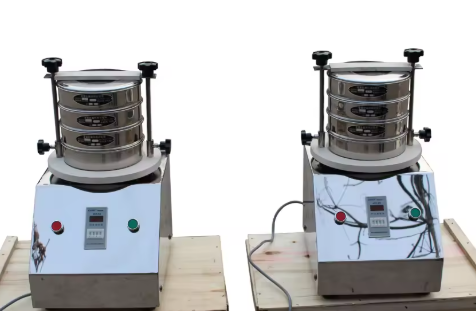
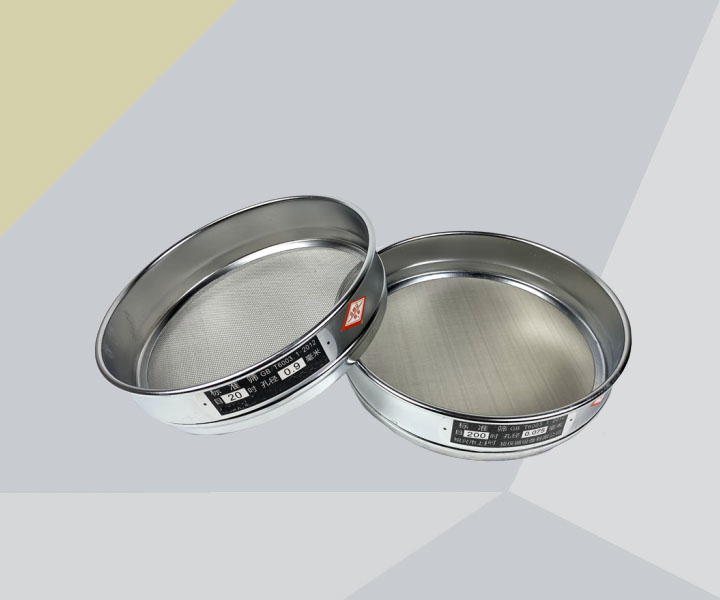
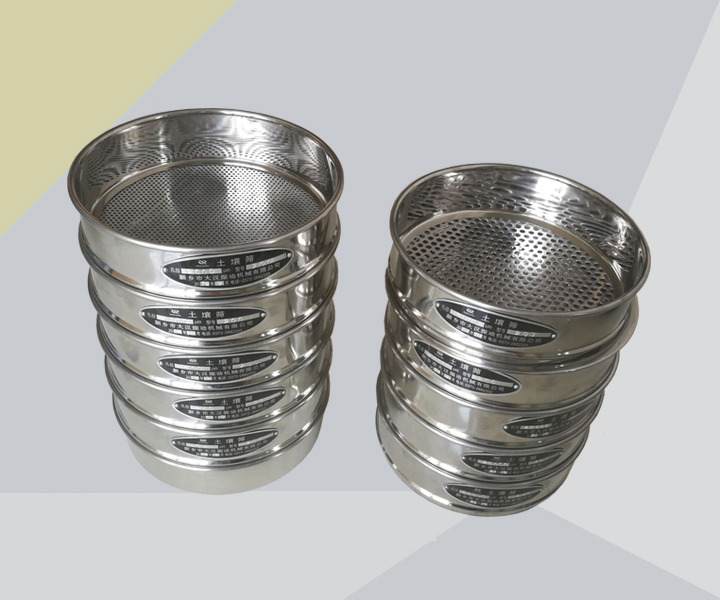
Test Sieve For Activated Carbon Granules is a measuring instrument consisting of a frame and sieves. It separates particles of different sizes through mechanical vibration or manual operation, meeting the technical requirements of ISO 3310-1 standard. Testing activated carbon particles reveals their particle size distribution, which is related to the effectiveness of activated carbon in various applications. Particle size affects the adsorption rate and lifespan of activated carbon; smaller particles have a larger specific surface area, while larger particles reduce resistance but slow down the adsorption rate. Common sieve particle sizes for activated carbon range from 0.18 mm to 4.76 mm, corresponding to different sieve sizes. Test sieves are mostly made of stainless steel, offering corrosion resistance and durability. Common equipment diameters are 100 mm, 200 mm, and 300 mm to accommodate different sample volumes of activated carbon particles.
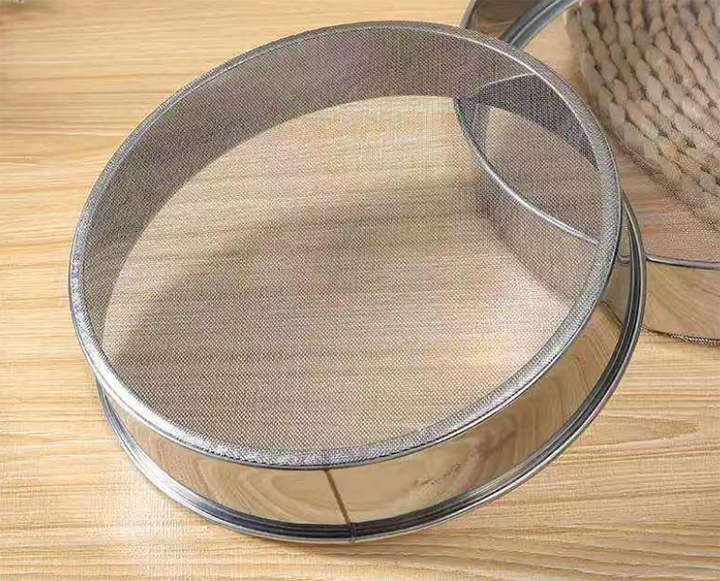
When preparing test sieve for activated carbon granules, take 100-200 grams of representative activated carbon, dry it to constant weight at 105±5℃, and cool it to room temperature; avoid grinding columnar activated carbon to prevent damage to its shape. Select appropriate test sieves, stack them in descending order of pore size, place a base plate at the bottom, and cover the top with a lid, covering the expected particle size range of the sample. Use a vibrating sieve machine to fix the sieve assembly, set the vibration parameters, and sieve for 15 minutes until the mass change of the retained particles stabilizes within 2 minutes. When weighing the retained portion, remove each sieve layer in sequence, and weigh the retained activated carbon particles on each sieve and the powder in the base plate using an analytical balance. When calculating the particle size distribution, calculate the mass fraction of each particle size range and verify the overall recovery rate to ensure the reliability of the results.
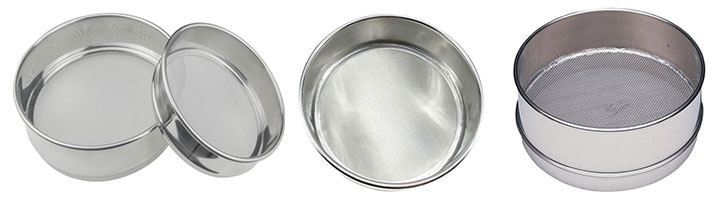
Standard sieving of activated carbon granules allows for the determination of particle size distribution, yielding data such as particle size range and uniformity coefficient, providing a basis for product quality assessment and performance evaluation. Test Sieve for Activated Carbon Granules records particle size data according to standards such as ASTM D2862 and GB/T 12496.2, facilitating batch comparison and traceability, and can also be used for factory acceptance and quality grading. Sieving results can also provide a reference for adjustments in crushing and granulation processes, reducing the proportion of fine powder and excessively large particles, improving flow conditions, and controlling production costs. Particle size is closely related to adsorption rate and pressure drop; sieving allows for the selection of appropriate specifications in water treatment, air purification, and other applications. Simultaneously, this data can be used for adsorption tower or filter packing design, helping to adjust fixed bed pressure drop, reduce backwashing frequency and energy consumption, extend equipment life, and provide experimental data for studying the relationship between particle size and adsorption performance.
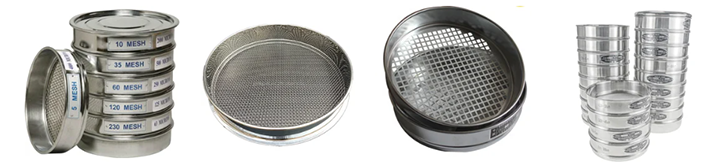
Test Sieve for Activated Carbon Granules solutions vary depending on the application scenario. For gold extraction and high-end drinking water treatment, select 0.5-3 mm coconut shell activated carbon, paired with 0.5 mm and 3 mm sieves to ensure particle size meets requirements. For food decolorization and wine refining, use 1-5 mm wood-based activated carbon, selecting sieves covering the 1 mm to 5 mm range to screen for qualified particles. For industrial wastewater treatment and air purification, 1-4 mm coal-based activated carbon is more suitable, paired with 1 mm and 4 mm sieves. For large-scale water treatment systems, select 4-8 mesh large-particle activated carbon and corresponding sieves; for precision filtration, 30-60 mesh small-particle activated carbon requires finer sieves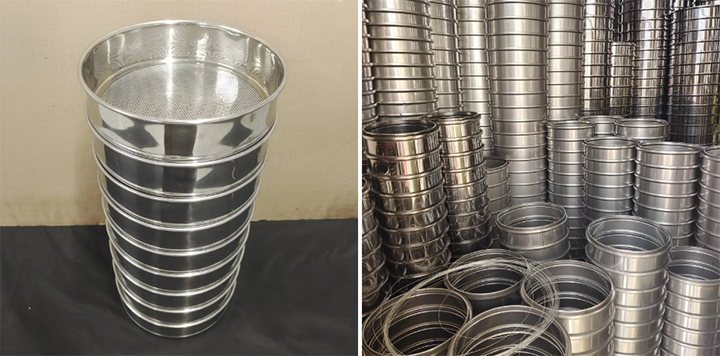 .
.
The Test Sieve for Activated Carbon Granules is used to analyze particle size characteristics. Sieving establishes a correlation between particle size and performance, providing a reference for production and application. The test process includes sample preparation, sieving, and data calculation, and should be performed according to standard procedures to ensure reliable measurement results. Selecting the appropriate screen size based on different application scenarios can improve the adaptability of activated carbon in adsorption, filtration, and other fields, helping to optimize resource utilization. This tool provides a basis for particle control of activated carbon products, which helps improve product performance and consistency, while also providing data support for subsequent processing and applications.
Mar 12, 2026
Test Sieve For Activated Carbon Granules
Test Sieve For Activated Carbon Granules is a measuring instrument consisting of a frame and a sieve,...
Mar 11, 2026
Size sieves for soil are available in sizes of 0.075 mm, 2 mm, 4.75 mm, 25 mm, and 75 mm, and are use...
Mar 10, 2026
Laboratory Test Sieve For Fly Ash
Laboratory Test Sieve for Fly Ash is an instrument used for particle analysis of fly ash. Its sieve i...
Mar 07, 2026
Stainless Steel Test Sieve For Pharmaceutical Powder
Stainless Steel Test Sieve For Pharmaceutical Powder can be used to test the particle size of pharmac...

Then we look forward to hearing from you