
WhatsApp:+86 15236742901

Email:sale@xxdahan.com


WhatsApp:+86 15236742901
Email:sale@xxdahan.com
![[field:title/]](/uploads/allimg/250305/2-2503051F94B96-lp.png)
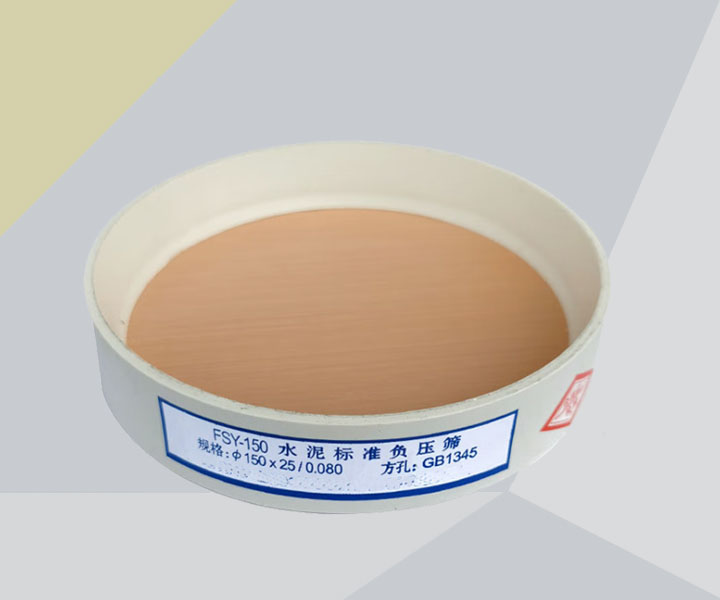
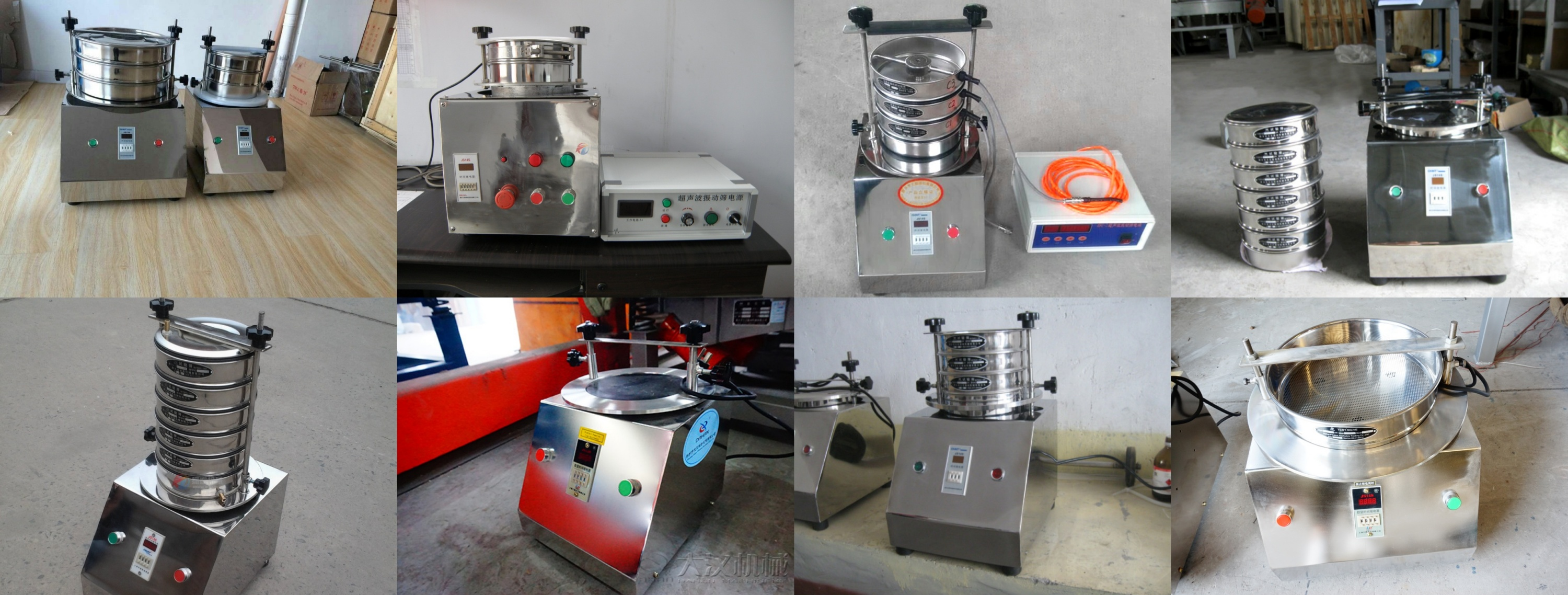
Cement test sieve is a special screening equipment used to measure the fineness of cement particles. It is widely used in cement production, scientific research and quality testing and other fields.
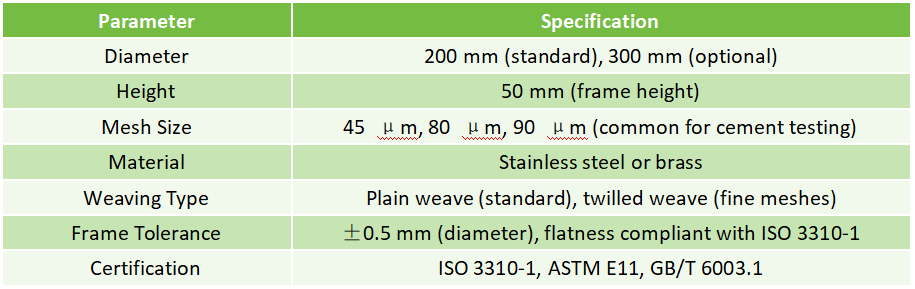
Vibration frequency/min: 1440 frequency/min
Noise dB: less than 50 dB
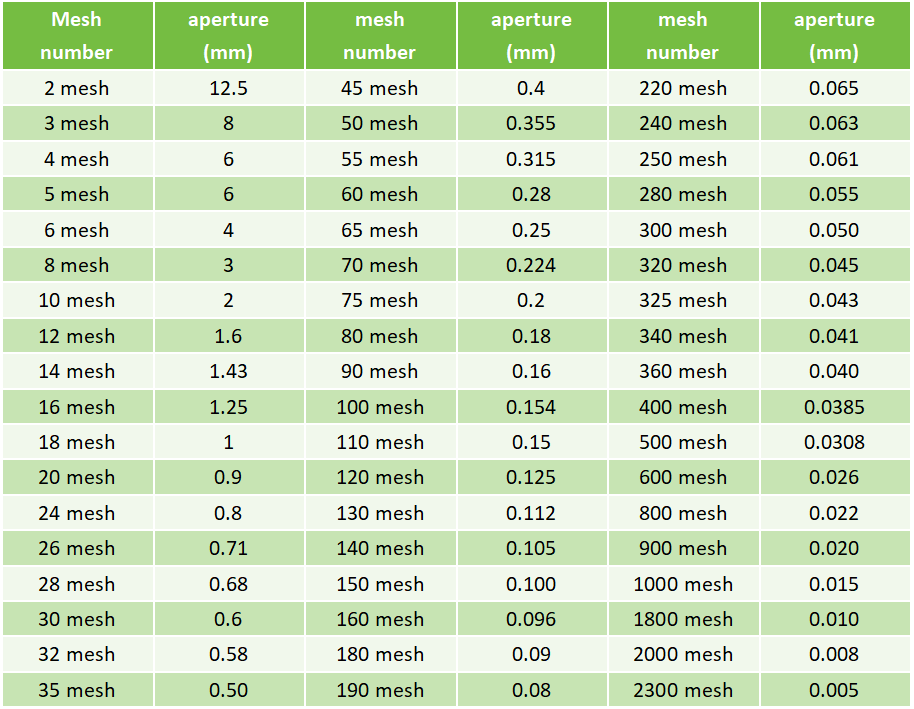
Mesh mm: 2.36-0.02 mm
Port:Any port in China (Mainland)or as you need.
|
Quantity(sets) |
1-2 |
>2 |
|
Delivery time(days) |
5 |
To be negotiated |
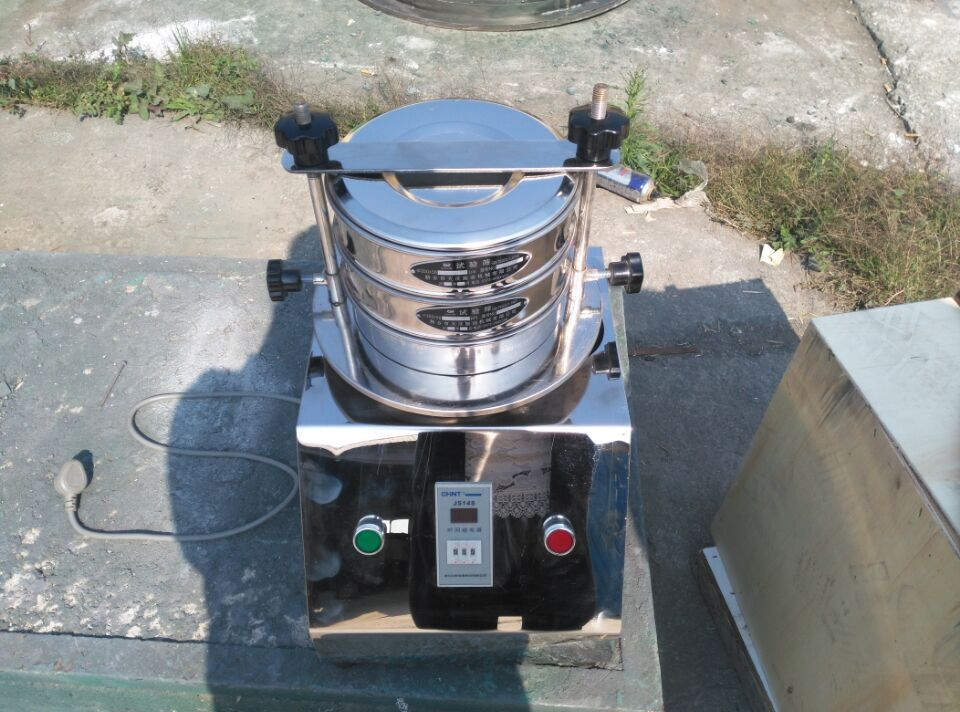
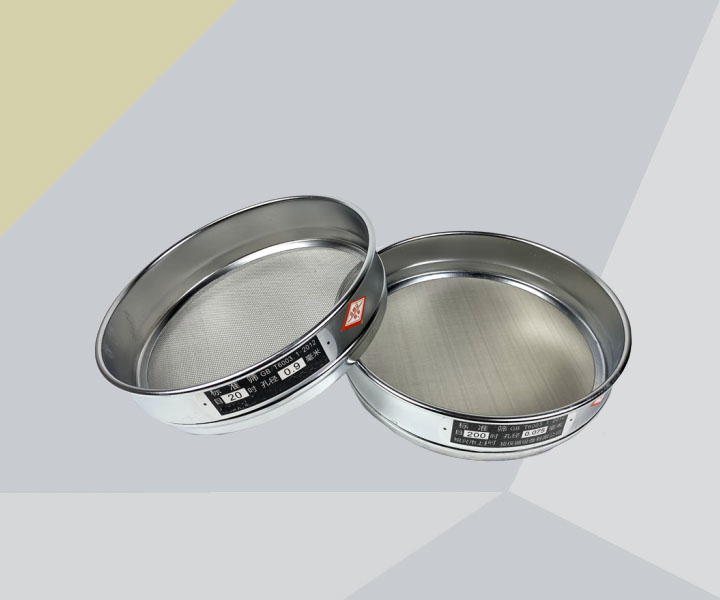
Cement test sieves are usually used for screening and classifying cement particles to ensure that the quality of cement particles meets standard requirements. Cement test sieves are generally made of stainless steel, which is corrosion-resistant and wear-resistant, and is suitable for screening cement particles.
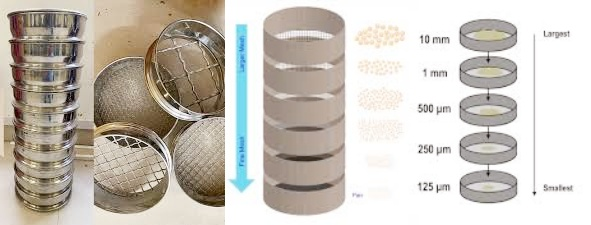
Screening is a process that uses the mesh holes to separate mixed materials with different particle sizes. When the cement particles pass through the screen, the cement particles smaller than the mesh size will pass through the mesh, while the cement particles larger than the mesh size will be retained on the screen.
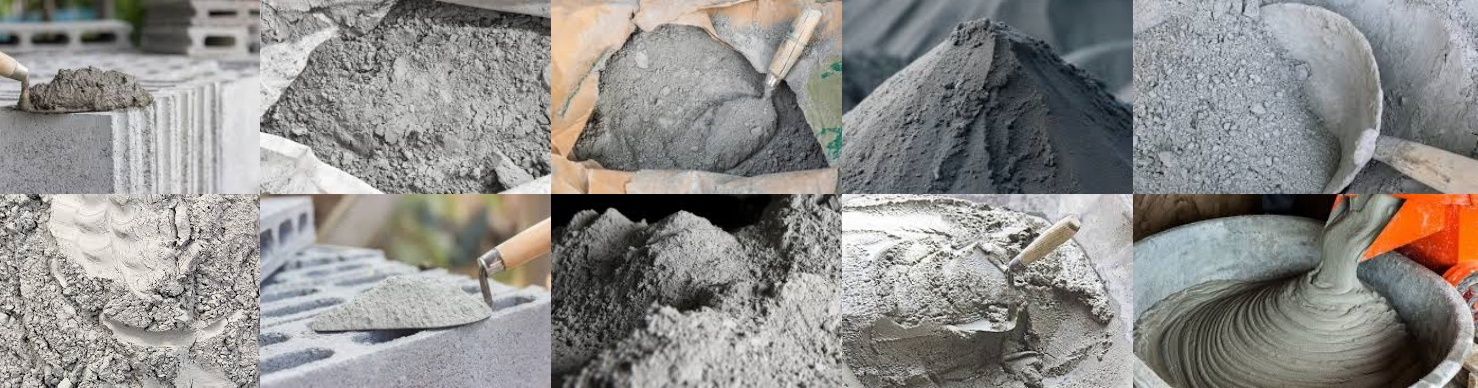
1. Cement: The cement test sieve can test various types of cement such as ordinary Portland cement, slag Portland cement, etc.
2. Other powdered materials: The cement test sieve can also be used to test the fineness of other powdered materials, such as fly ash, slag powder, limestone powder, other building material powders, etc.
1.Classification by screening method
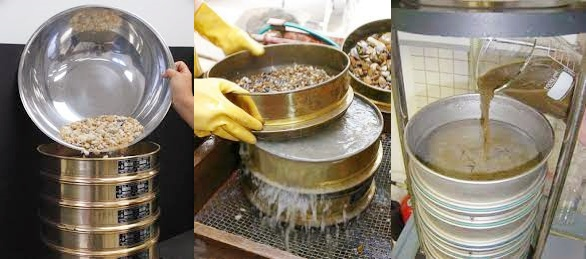
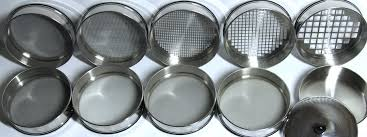
① Dry screening test sieve: Directly screen the dry cement sample, which is the most commonly used method. The operation is relatively simple, but it is easy to generate dust.
② Wet screening test sieve: Mix the cement sample with a liquid (usually water) to form a suspension, and then screen it. It is suitable for some special cement samples and can improve the screening efficiency.
③ Negative pressure screening method: Using negative pressure airflow for screening can more accurately measure the fineness of ultrafine cement. The screening efficiency is high, but the equipment is relatively complex.
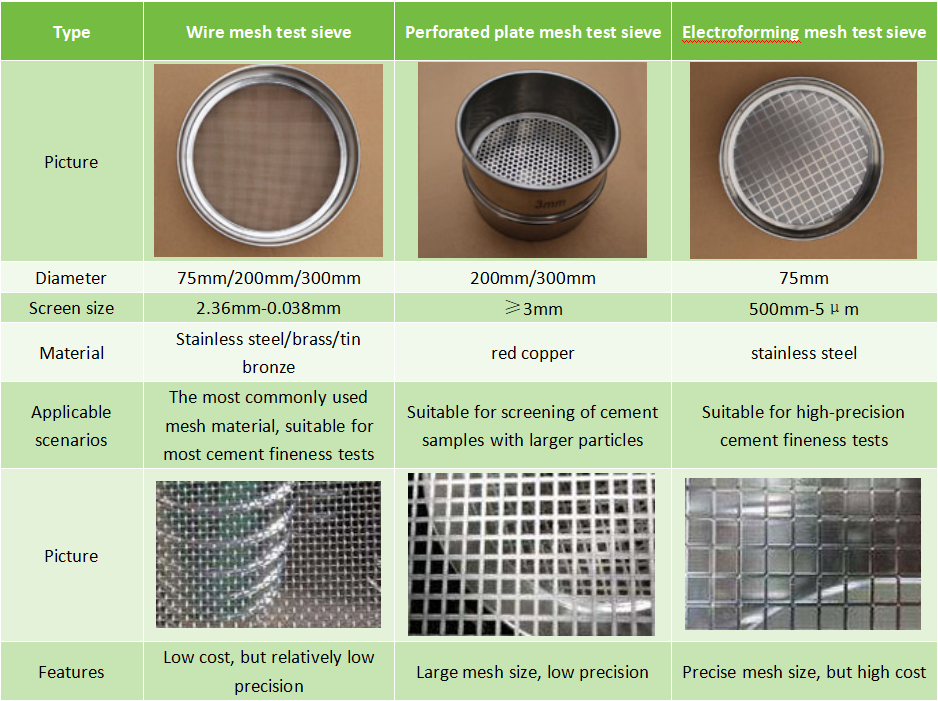
2. Classification by mesh material
3、Classification by operation method
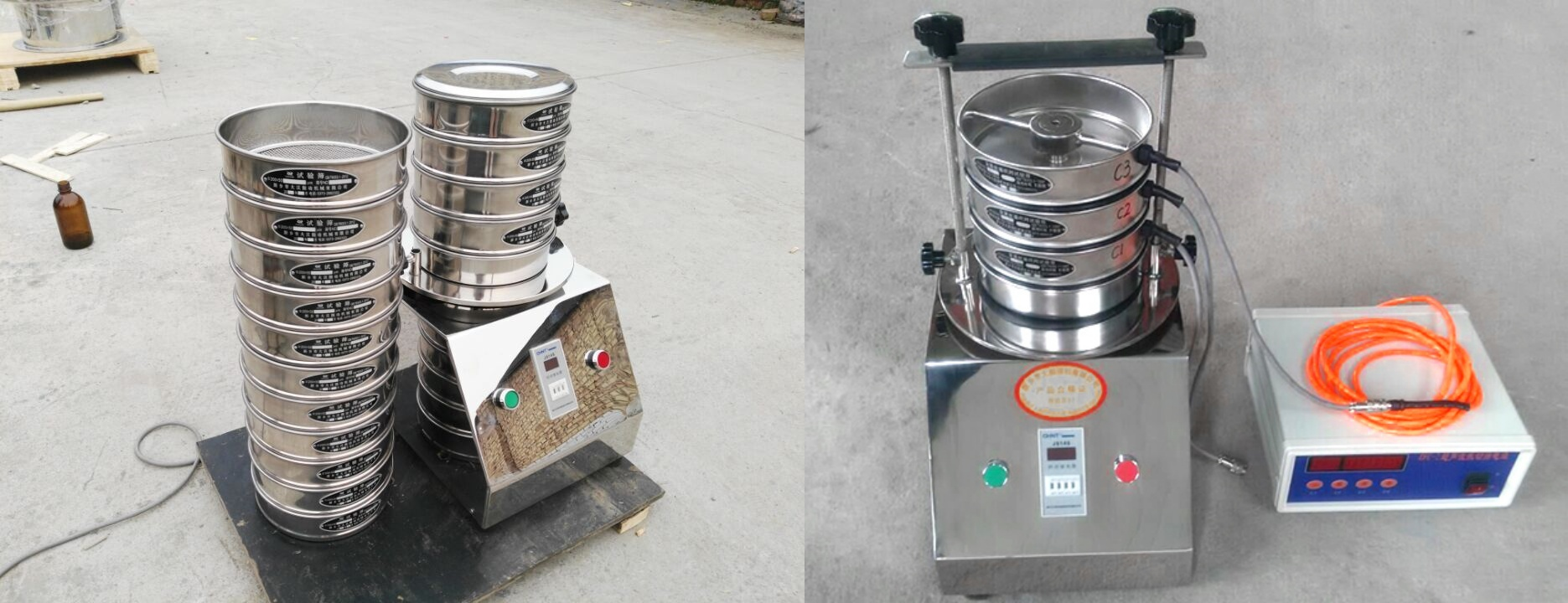
The manual test sieve is screened by manual vibration, which is simple to operate but inefficient. The electric test sieve is screened by motor drive, which is efficient and easy to operate.

1. Limitations of testing for ultrafine cement: Due to the incomplete particle size distribution, cement test sieve can only measure the sieve residue of a specific particle size, and cannot fully reflect the particle size distribution, especially the detection ability of ultrafine particles (such as <45μm) is limited.
2. Ignoring the shape of cement particles: The screening method of cement test sieve is mainly based on the size of the particles for separation, while ignoring the shape of the cement particles. For irregularly shaped cement particles, the screening results may not fully reflect their true fineness.
3. Sample quantity limitation: The sample quantity of a single screening is limited, and a large number of samples need to be screened multiple times, increasing the workload. When the sample quantity is small, it may not fully represent the overall quality.
4. Human error: During the screening process, factors such as the operator's proficiency, screening intensity and time will affect the test results and easily introduce human errors.
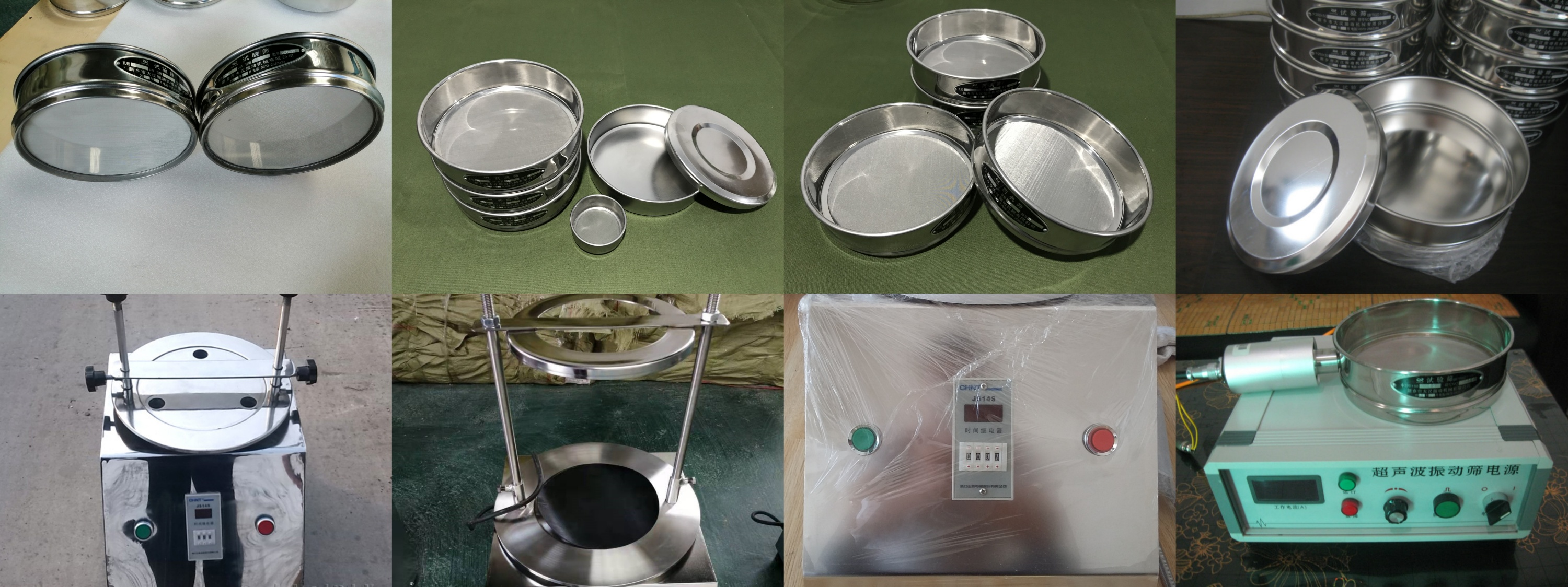
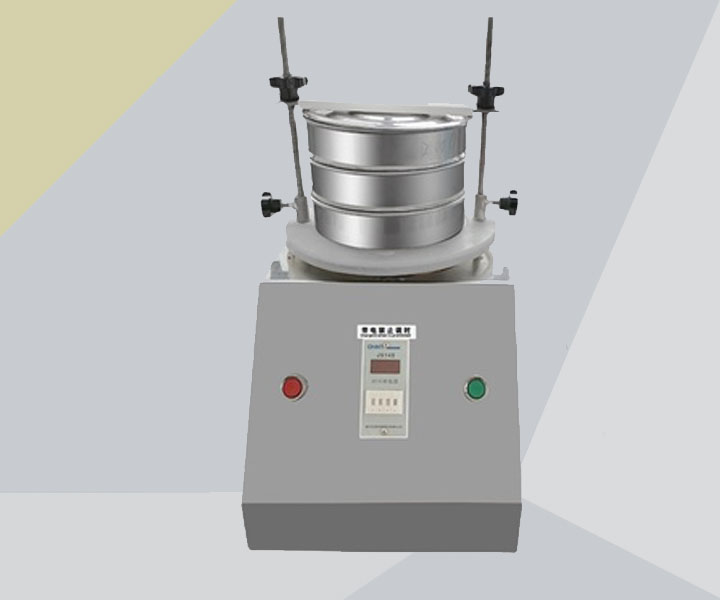
The main structure of the cement test screen includes screen frame, screen mesh, chassis, screen cover, sealing ring, fixing device, base, etc. The screen frame holds the screen in place and provides operational support. Screens are used to separate particles of different sizes.

Cement test sieve has a wide range of application value in cement production, quality control, construction and scientific research, ensuring that the quality of cement meets the standards, thereby ensuring the quality and safety of construction projects.
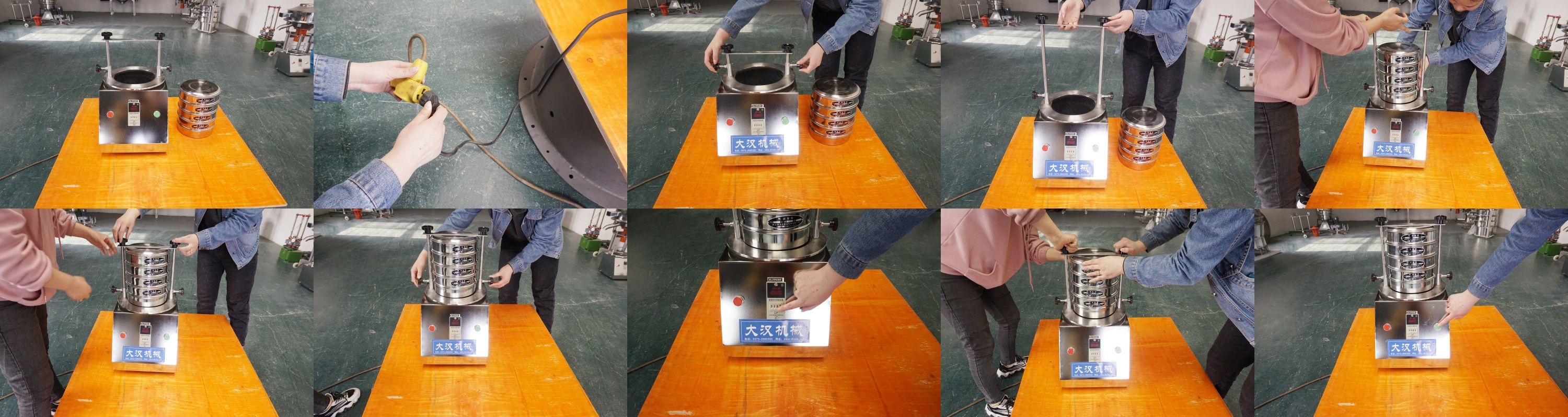
1. Sample preparation: Prepare a certain amount of cement sample and ensure that the sample is dry and free of lumps.
2. Screen selection: According to the requirements of cement fineness test, select a set of screens with appropriate apertures, usually arranged from coarse to fine.
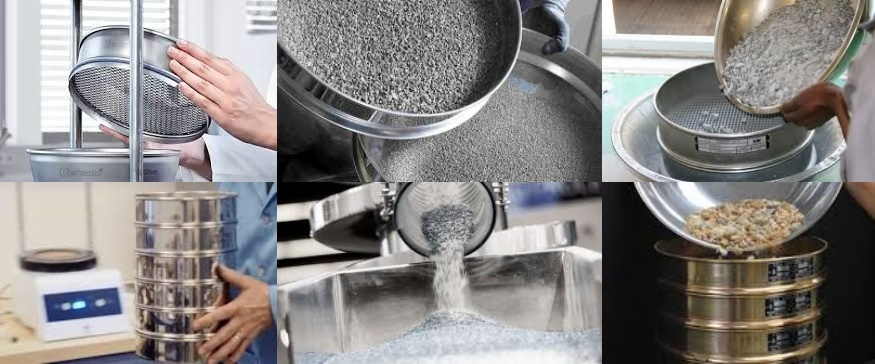
3. Screening operation: Pour the cement sample into the top screen. Make the cement sample move on the screen by mechanical vibration. Particles smaller than the size of the screen hole will gradually pass through the screen and fall onto the next screen. Repeat the screening process until the cement sample is separated on each layer of the screen.
4. Screen residue measurement: After the screening is completed, weigh the mass of the cement particles (screen residue) remaining on each layer of the screen.
5. Result calculation: According to the mass of the screen residue and the total mass of the cement sample, calculate the percentage of cement particles in each particle size range to obtain the particle size distribution of the cement.
The price of cement test sieve will be affected by many factors, including brand, specification, material, production process, manufacturer, etc. For specific prices, it is recommended that you consult relevant price information through Dahan Machinery’s customer service or send an email to obtain a more accurate quotation and detailed product information.
Five Advantages of Rotap Sieve Shaker
Rotap Sieve Shaker is mainly composed of machine base, sieve and transmission mechanism. It can be equipped with special fixtures, which can be used to clamp 200 test sieves, as wel...
Slap Type Test Sieve is mainly used in laboratories within universities/research institutes/enterprises, with standard test sieves for particle size analysis and detection of granul...
Are you interested?

Then we look forward to hearing from you