
WhatsApp:+86 15236742901

Email:sale@xxdahan.com


WhatsApp:+86 15236742901
Email:sale@xxdahan.com
Monday October-12 2026 17:17:53
Knowing how to choose an ultrasonic sieve starts with four factors: powder characteristics, required particle-size separation, processing capacity, and screening conditions. Consider whether the material is prone to mesh blockage, define the target aperture and required size fractions, and determine whether the equipment is intended for laboratory testing or industrial production. For difficult-to-screen powders, testing a representative sample can help verify the suitable screen configuration before purchase.
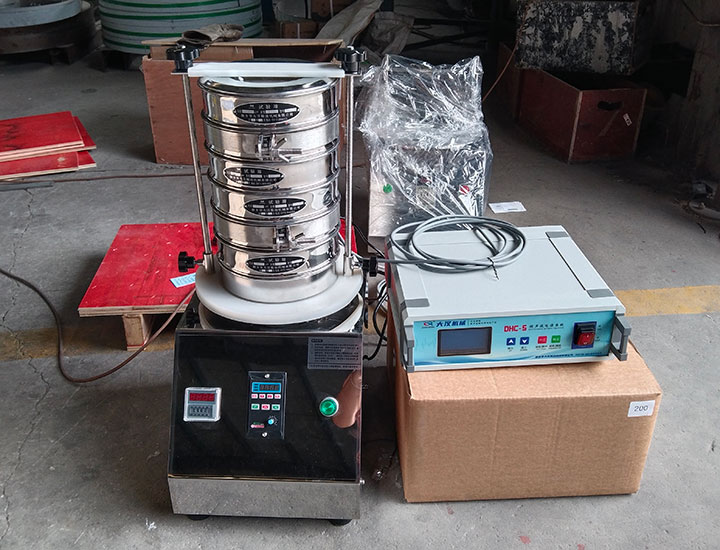
Choosing an ultrasonic sieve starts with the material and the result you need, not simply the mesh count. Before selecting a model, consider how the powder behaves during feeding, what particle separation is required, and how much material must be processed.
Three details deserve particular attention:
Powder characteristics: Note whether the material is free-flowing, cohesive, moisture-sensitive, or prone to static buildup. These properties can affect how consistently it passes through the screen.
Screening objective: Define whether you need to remove oversized particles, separate several size fractions, or meet a specific particle-size requirement.
Operating requirements: Establish the required throughput, operating schedule, cleaning frequency, and available installation space before deciding on the equipment configuration.
A suitable ultrasonic sieve should match all three requirements. A model selected only by mesh size may still fall short if the powder feeds poorly or the required output exceeds the practical screening capacity. Having these details ready makes it easier to narrow down the options and discuss a suitable configuration with the supplier.
Powder characteristics influence how easily material passes through the screen and whether ultrasonic assistance is appropriate. Before choosing an ultrasonic sieve, identify the main screening challenge:

Fine powders: If particles frequently block the mesh openings, an ultrasonic system may help reduce blockage and maintain more consistent screening.
Cohesive or agglomerated powders: Check whether particles form clusters during feeding, as agglomeration can affect separation results even with ultrasonic assistance.
Lightweight or electrostatic powders: Evaluate whether particles adhere to the screen or distribute unevenly across the screening surface.
Moisture-sensitive powders: Consider the material's moisture condition and tendency to form lumps before selecting the screening configuration.
These factors help determine whether ultrasonic assistance is suitable and what conditions need to be checked during testing. For difficult-to-screen materials, a trial using a representative sample is a practical way to verify the proposed setup.
Before choosing an ultrasonic sieve, define what the finished powder should look like after screening. The requirement may be to remove oversized particles, separate a powder into several size fractions, or obtain material that passes through a specified aperture. Each objective calls for a different screening arrangement.
Be specific about the acceptable result. For example, if the goal is to remove coarse particles from a fine powder, identify the size limit for the oversize fraction and whether the undersize material must meet a particular particle-size specification. If several fractions are required, state the desired separation ranges rather than simply requesting a multi-layer sieve.
It is also important to distinguish the target particle size from actual screening performance. A specified aperture does not automatically guarantee that every particle will be separated as expected. Particle shape, agglomeration, and operating conditions can affect the result. Defining the required fractions and acceptance criteria in advance gives the supplier a clear basis for recommending a suitable screening setup.
Mesh size and screen layers should be selected according to the required separation results, not simply the machine's available configuration.
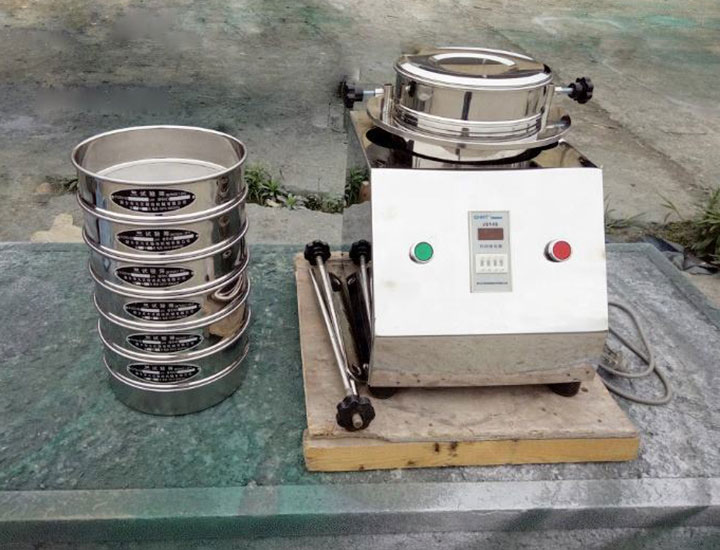
Mesh size and aperture: Confirm the target particle size and required opening. Mesh number and aperture size are related but are not interchangeable, so specify the required aperture whenever possible.
Number of screen layers: If you only need to remove oversized particles, a single screening stage may be sufficient. If you need to separate material into several size fractions, determine the required particle-size ranges before choosing a multi-layer setup.
Screen diameter: Consider the required throughput alongside powder characteristics and screening performance. A larger screen does not automatically guarantee the desired separation result.
When requesting a quotation, provide the target aperture, required size fractions, and expected processing capacity. The supplier can then assess a suitable screen configuration and recommend testing if the material is difficult to separate.
If fine powder takes longer to screen than expected, or operators frequently stop the machine to clean the mesh, the first step is to identify the cause. A change in equipment is not always necessary, but recurring problems may indicate that the current setup no longer suits the material or production target.
Before upgrading, check the feed rate, powder condition, mesh condition, and material distribution across the screen. If these factors are under control but fine particles still cause persistent blockage, an ultrasonic-assisted screening system may be worth evaluating. A trial with the actual powder can help determine whether the change delivers a meaningful improvement.
Industrial ultrasonic sieves and laboratory ultrasonic test sieves serve different purposes. The right choice depends on whether you need to process powder for production or analyze a sample for quality control.
Industrial ultrasonic sieve: Designed for production screening, this type of equipment is selected according to required throughput, feeding arrangements, continuous operating time, and the number of size fractions to be separated. Integration with an existing processing line may also affect the configuration.
Laboratory ultrasonic test sieve: Intended for sample analysis, it is more suitable when the main objective is to determine particle-size distribution or check whether a powder meets a specified quality requirement. Sample quantity, test method, aperture sizes, and result repeatability are key selection factors.
Before requesting a quotation, clarify whether the primary task is production screening or particle-size testing. If you need both, consider whether separate equipment is necessary for reliable quality control and routine production. This distinction helps narrow the options before comparing individual models.
Product specifications alone cannot show how an ultrasonic sieve will perform with your powder. Before placing an order, ask the supplier whether a screening test can be conducted using a representative sample of your material.
To make the test useful, agree on the following details in advance:
Ask for the test conditions and results, not just a statement that the machine works. If the trial does not meet your requirements, review the feed conditions, screen specification, and equipment configuration before making a purchasing decision. A documented test provides a more useful basis for selection than a general performance claim.
A useful quotation starts with a clear description of the screening task. Instead of sending only the powder name or a requested mesh size, provide enough information for the supplier to assess the required equipment and configuration.
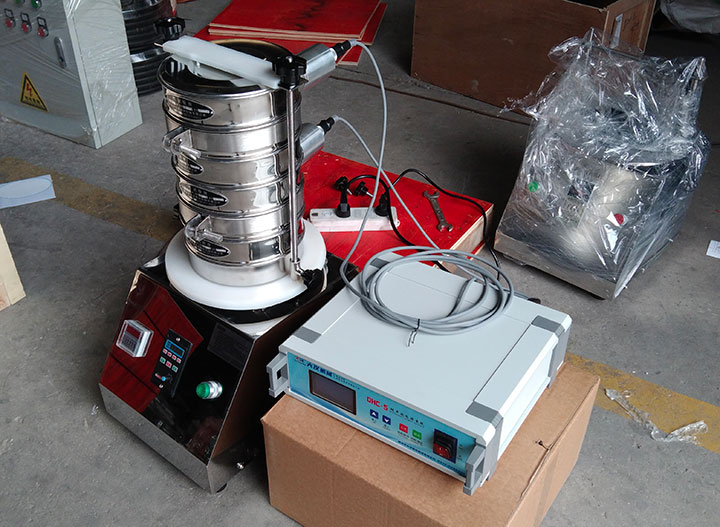
Material details: Powder name, particle characteristics, moisture sensitivity, and any special handling requirements.
Screening requirements: Target particle size, required aperture, and whether you need to remove oversized particles or separate multiple fractions.
Required capacity: Expected processing volume per hour or sample quantity per test, depending on the application.
Application type: Laboratory analysis, batch screening, or continuous production.
Equipment requirements: Contact material, cleaning needs, available installation space, and relevant power supply details.
If the material is difficult to screen, mention the problems you currently experience, such as mesh blockage or inconsistent separation. Photos, existing screening data, and a representative sample can also help the supplier assess the application. With these details, the supplier can recommend a more appropriate configuration and identify whether material testing is needed before finalizing the quotation.
For equipment options and configuration details, visit our Ultrasonic Sieve page or contact our team to discuss your powder screening requirements.
Initial equipment selection can be based on material properties, target particle size, and required capacity. However, if the powder is difficult to screen or the separation requirement is strict, a material test can help confirm whether the proposed configuration is suitable.
The price depends on factors such as sieve diameter, number of screening layers, contact material, ultrasonic system configuration, and any special requirements for cleaning or integration. Providing your screening requirements helps the supplier prepare a more relevant quotation.
In some cases, an existing vibrating sieve can be fitted with an ultrasonic system. Compatibility depends on the machine structure, screen design, available installation space, and electrical configuration. Ask the supplier to assess the existing equipment before deciding whether an upgrade is practical.
Oct 12, 2026
How to Choose an Ultrasonic Sieve for Fine Powders
Learn how to choose an ultrasonic sieve based on powder characteristics, mesh size, screening capacit...
Sep 29, 2026
Ultrasonic Test Sieve vs. Standard Test Sieve Which Is Right for You
Compare Ultrasonic Test Sieve vs. Standard Test Sieve based on sieve aperture, material behavior, mes...
Sep 09, 2026
Mechanical Sieve Shaker Price varies depending on the model. The basic model, suitable for routine sc...
Sep 09, 2026
How to Properly Clean and Maintain Ultrasonic Test Sieves
Learn proper cleaning steps, routine maintenance and common mistakes for ultrasonic test sieves. Exte...

Then we look forward to hearing from you