
WhatsApp:+86 15236742901

Email:sale@xxdahan.com


WhatsApp:+86 15236742901
Email:sale@xxdahan.com
![[field:title/]](/uploads/allimg/250304/2-250304160302Z3-lp.png)
Sand test sieves are devices used to separate particles of different sizes and are often used for particle analysis and quality control.
1. Sand test sieve can accurately separate particles of different sizes
2. Sand test sieve is made of durable materials, such as stainless steel or other wear-resistant materials
3. Sand test sieve provides a variety of specifications and mesh sizes to meet different particle analysis needs
4. Sand test sieve is simple in design and easy to operate
Port:Any port in China (Mainland)or as you need.
|
Quantity(sets) |
1-2 |
>2 |
|
Delivery time(days) |
5 |
To be negotiated |
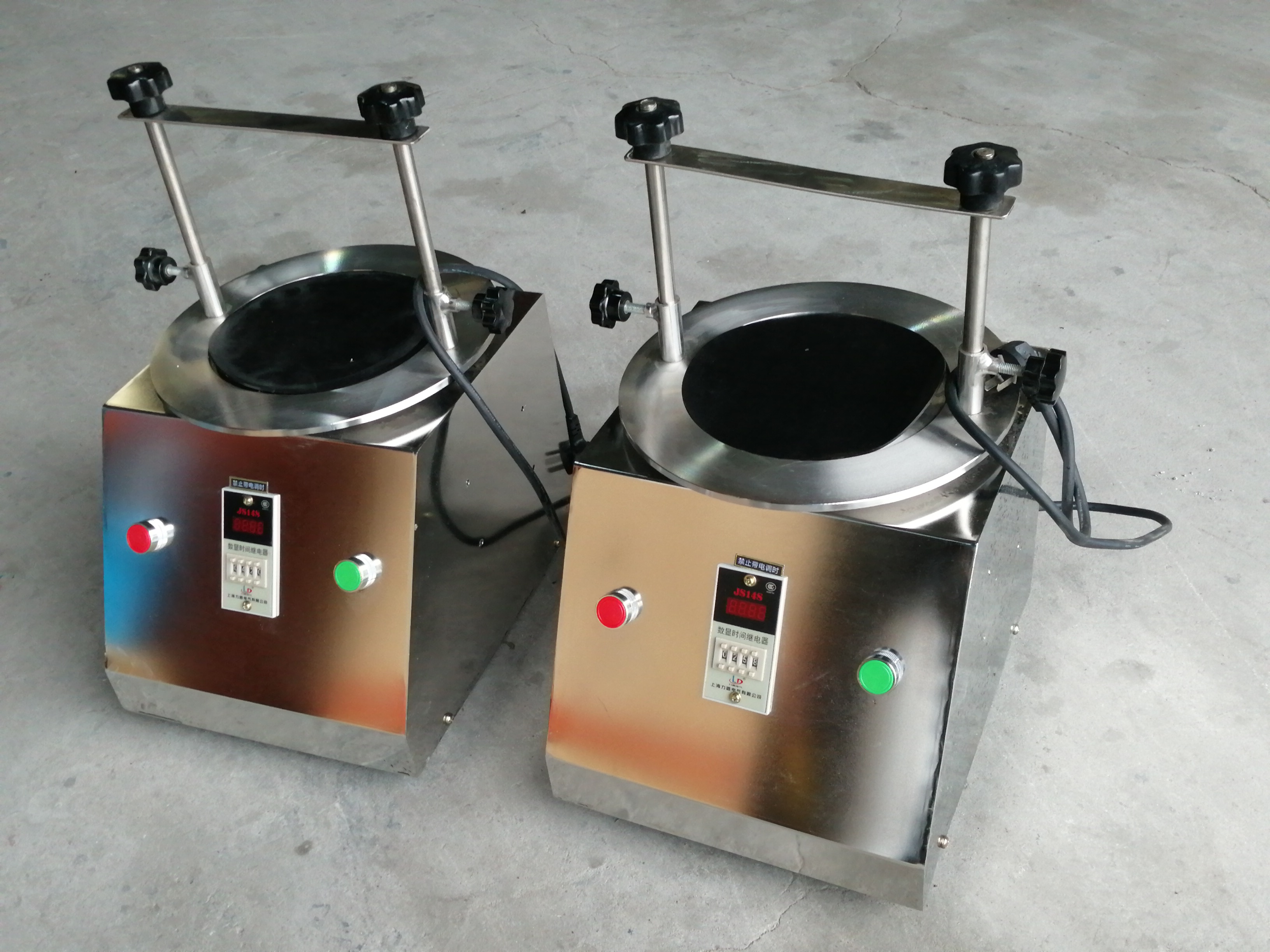
Sand test sieve is an experimental device used to analyze the distribution of sand particle size. It uses a series of sieves with different apertures to sieve sand samples into components of different particle sizes, thereby analyzing the particle size composition of sand. It is widely used in the fields of construction, building materials, geology, and chemical industry. It uses the sieving method to classify sand according to particle size, thereby determining the particle size composition and quality of sand.
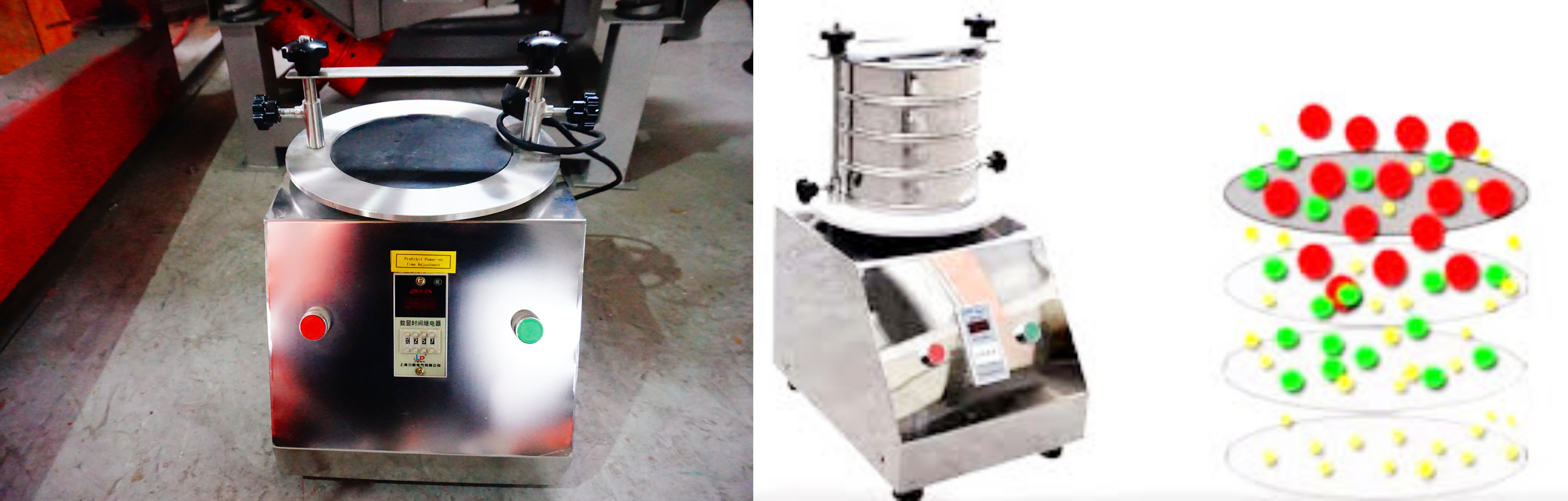
A sample of sand is placed on top of a sieve, which consists of a mesh screen with uniform openings of varying sizes. Vibrations cause smaller particles to fall through the openings of the mesh, while larger particles remain on top. When sieving sand, separation occurs based on the size of the particles.
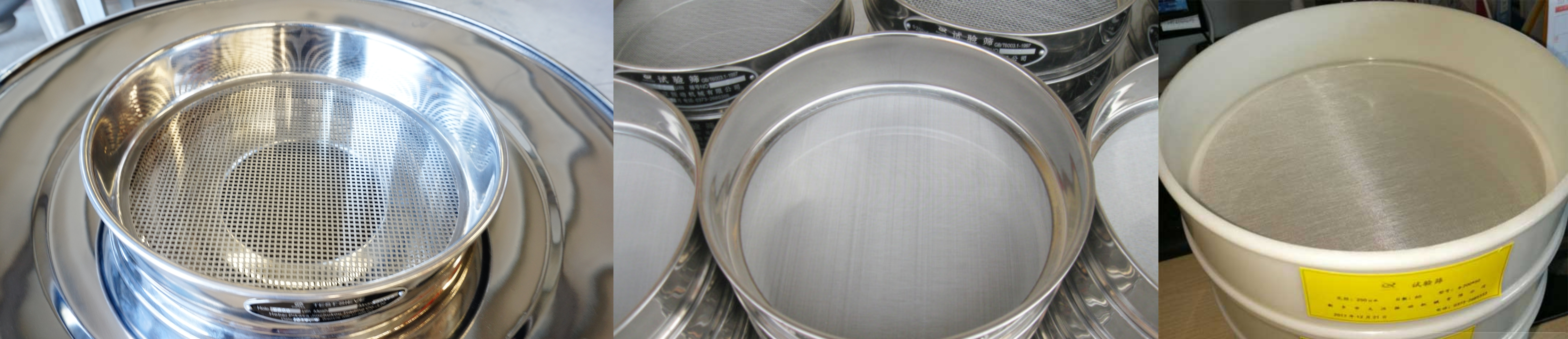
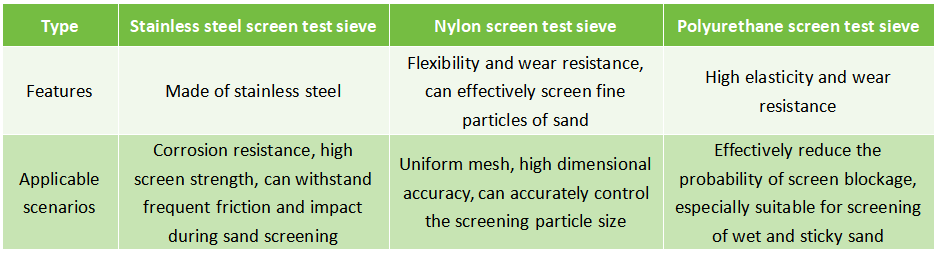
1.Classification by screen material
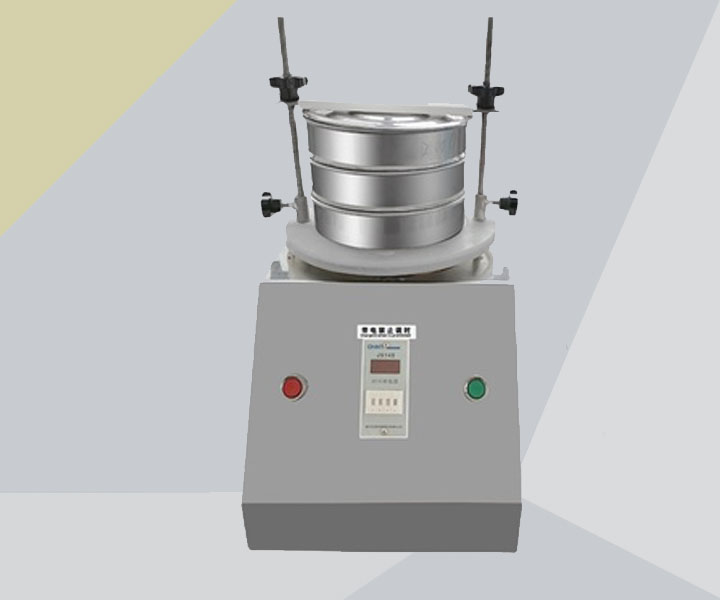
2.Classification by vibration mode
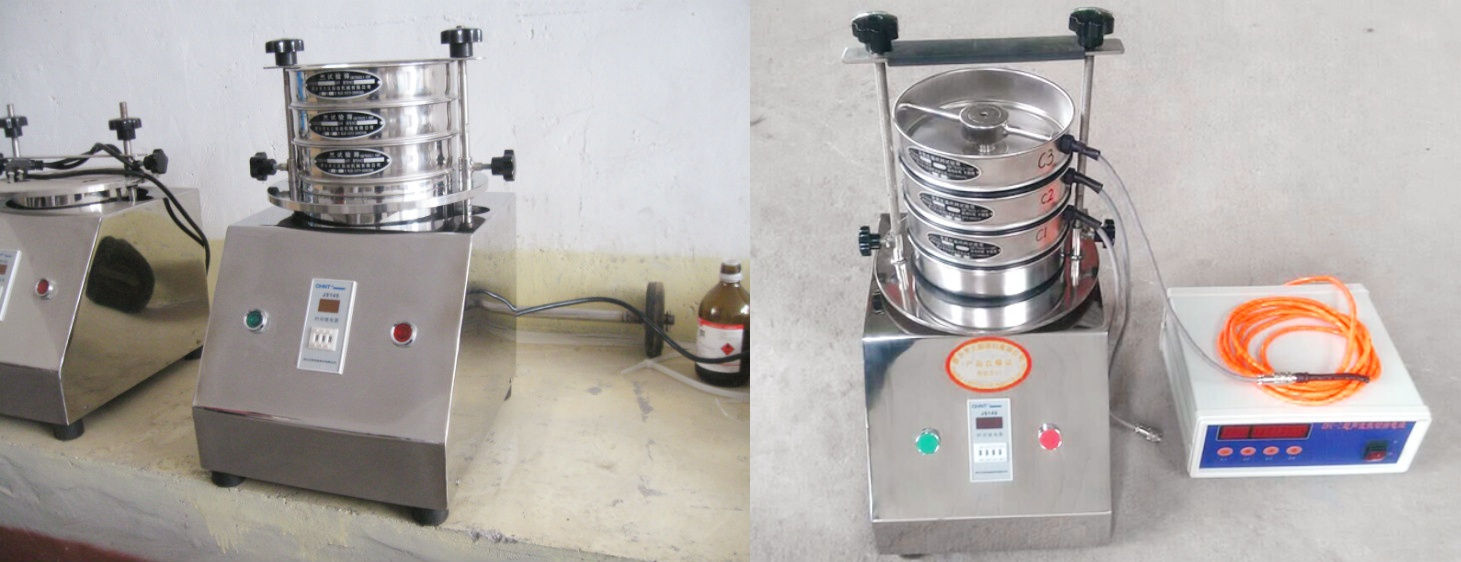
Mechanical vibration test sieve
①Use the centrifugal force generated by the rotation of the eccentric wheel or eccentric block to make the screen body vibrate
②The vibration frequency and amplitude of the eccentric vibration detection screen are relatively stable, and the vibration parameters can be changed by adjusting the eccentric wheel speed or the eccentric block weight.
Electromagnetic vibration test sieve
①The electromagnetic coil generates an alternating magnetic field, which makes the screen body vibrate under the action of the magnetic field force.
②The electromagnetic vibration test sieve has a high vibration frequency, which can reach thousands of times/minute, and has a significant effect on the screening of fine-grained sand.
3. Classification by structural characteristics
①Single-layer test sieve
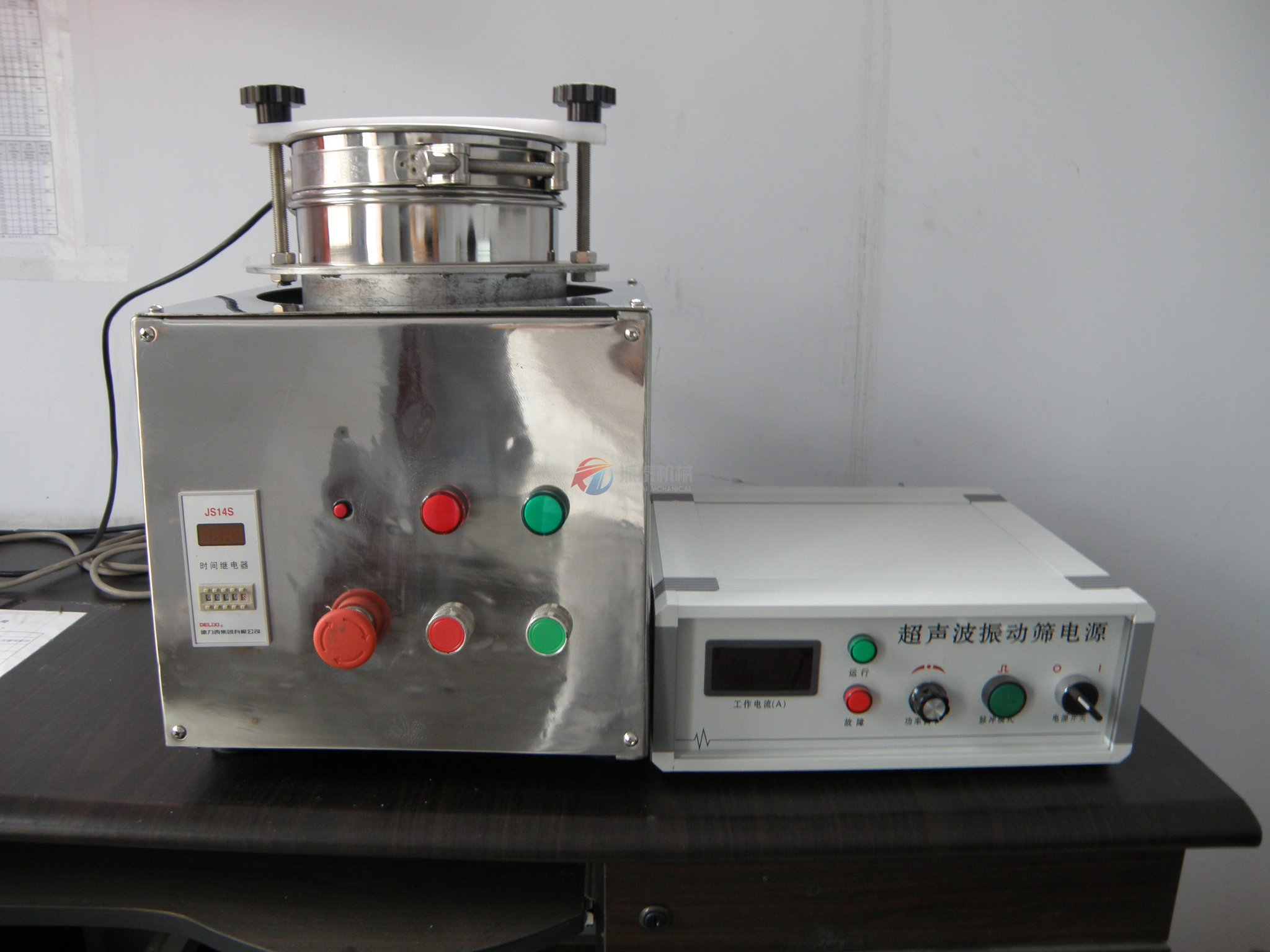
One layer of sieve, low cost
Applicable to scenarios where the screening accuracy is not high and only simple particle size separation is required
For example, in a small foundry, the molding sand used for molding is preliminarily screened to remove obvious coarse particle impurities
②Multi-layer test sieve
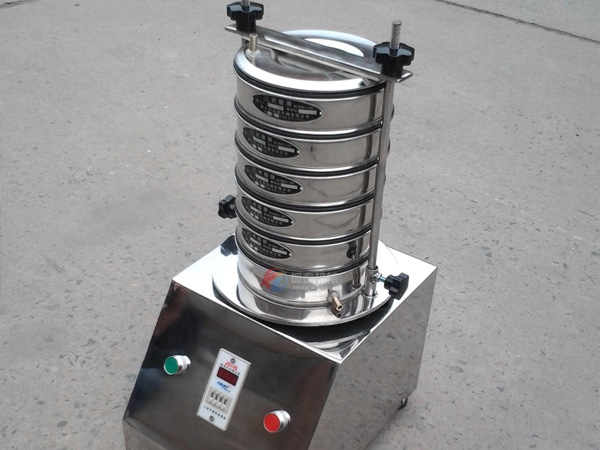
Equipped with multiple layers of screens with different mesh sizes, the sand can be screened into multiple particle size grades at one time
During the screening process of the sand through the multi-layer screen, the products that meet the requirements of different particle sizes are gradually screened out.
In the building material quality inspection center, when the comprehensive particle size test of construction sand is carried out, the multi-layer test screen can simultaneously detect the content of sand in different particle size ranges
4.Classification by use
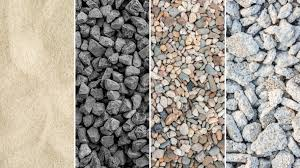
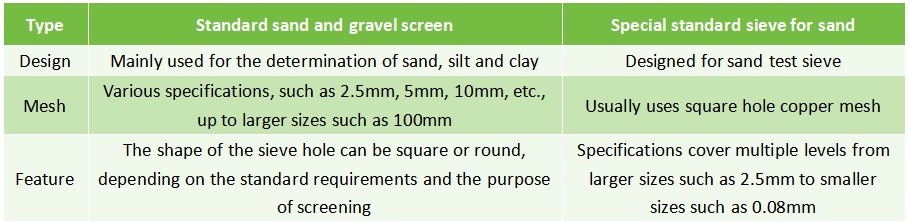
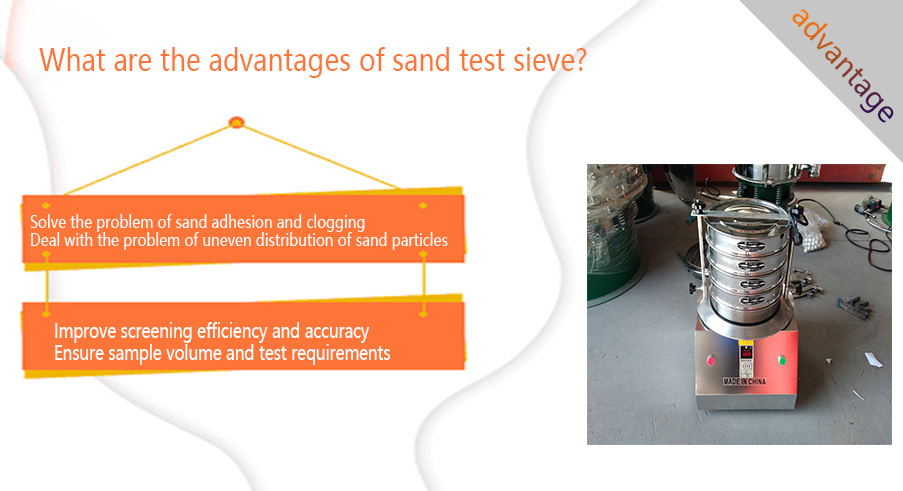
1. Solve the problem of sand adhesion and clogging: Sand, especially wet or clay-containing sand, is easy to adhere and clog the screen holes. Sand test sieve uses a high-precision, smooth-surfaced screen to reduce material adhesion. The vibrating screen uses high-frequency vibration to make the sand jump and loosen continuously, reducing clogging.
2. Deal with the problem of uneven distribution of sand particles: The particle size distribution of sand may be uneven, requiring precise grading. Sand test sieve provides multiple layers of screens with different apertures to achieve multi-level grading, accurately determine the particle size distribution, and ensure the accuracy and comparability of the screening results.
3. Improve screening efficiency and accuracy: Manual screening efficiency is low, and accuracy is affected by human factors. Sand test sieve screen improves screening efficiency, reduces manual operation errors, and the vibration frequency and amplitude are adjustable to optimize the screening effect.
4. Ensure sample volume and test requirements: Different test requirements have different sample volumes, requiring highly adaptable screening equipment. Sand test sieves provide sieves and sieve frames of different sizes and specifications to meet different sample quantities and test requirements.
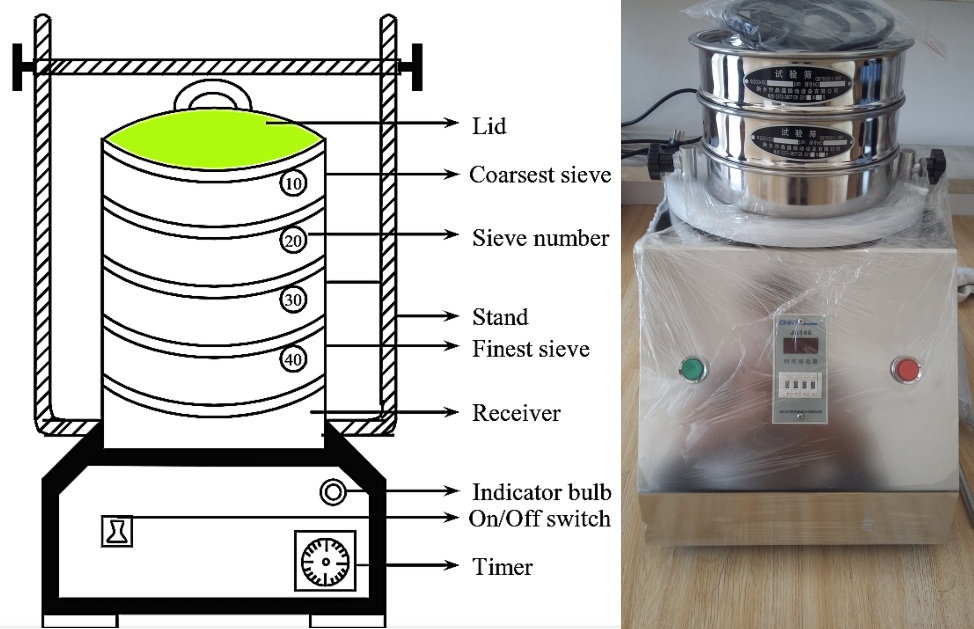
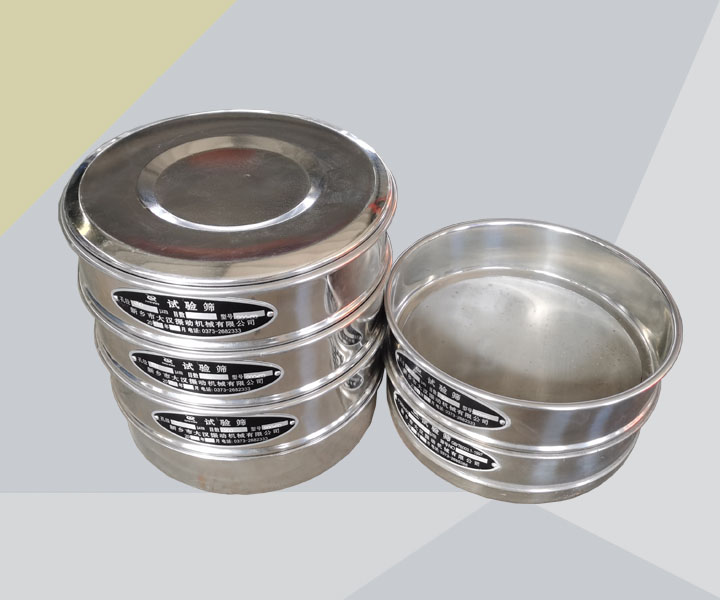
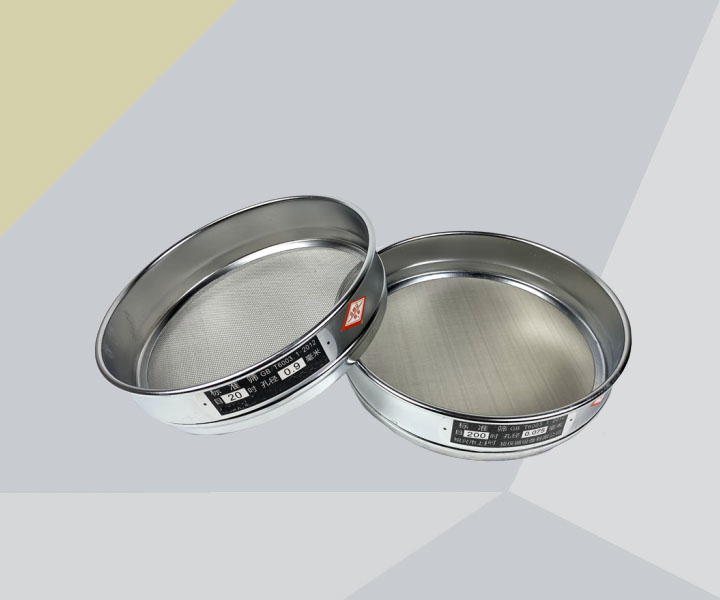
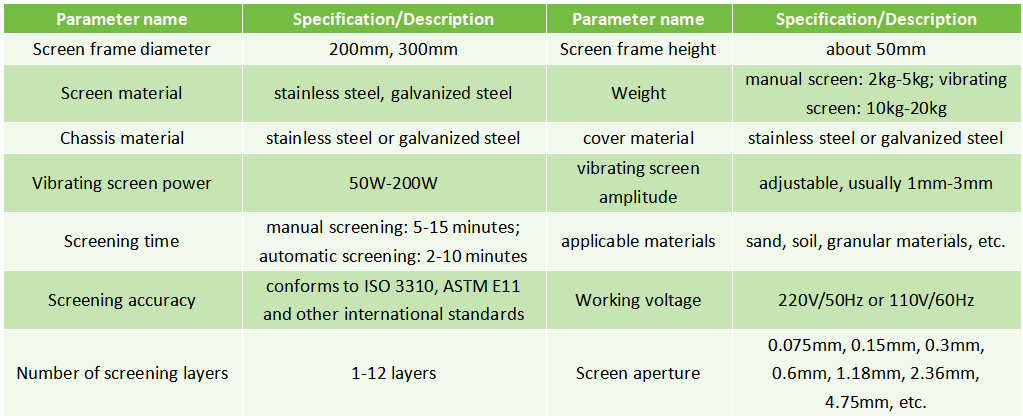
Screen frame: usually made of stainless steel or galvanized steel, corrosion-resistant and durable. Common diameter is 200mm or 300mm, height is about 50mm.
Screen: woven from metal wire, the aperture size is customized according to standard specifications (such as 0.075mm, 0.15mm, 0.3mm, etc.). The specifications of the screen meet international standards (such as ISO 3310, ASTM E11, etc.).
Chassis: used to receive sand passing through the finest screen.
Cover: prevents sand from splashing out during screening.
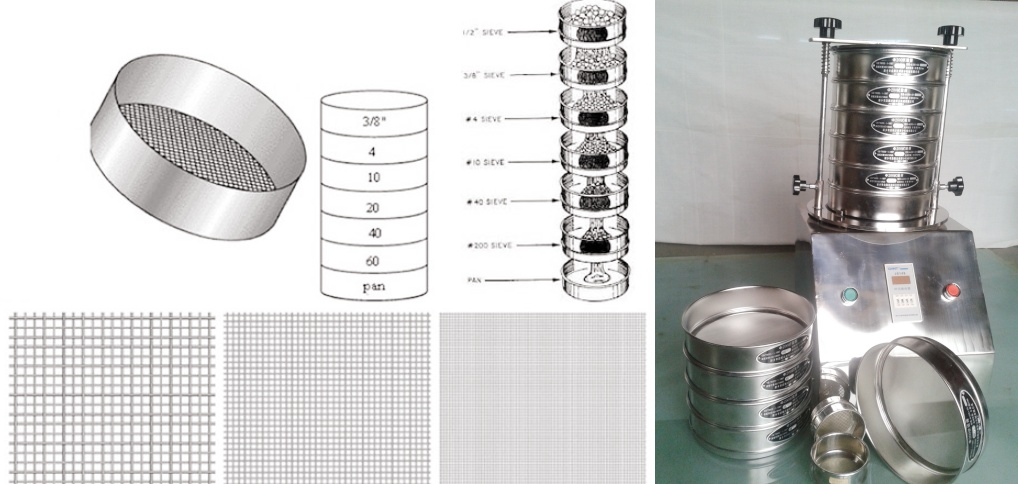
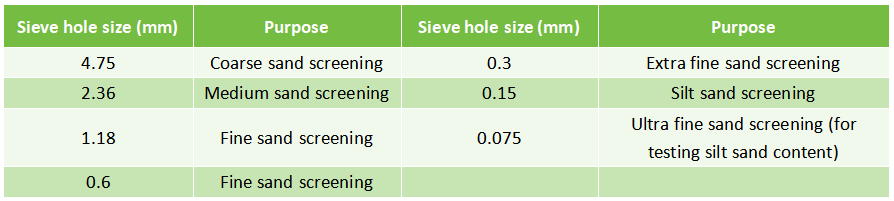
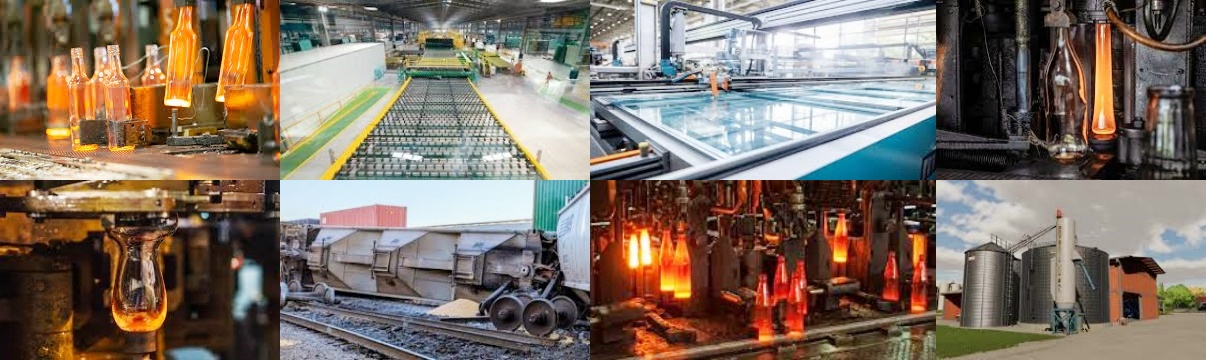
Sand test sieves are widely used in sandstone, building materials, concrete, glass manufacturing and other industries. They can remove impurities and fine particles by screening and grading sand particles to ensure that products meet specification requirements and improve production efficiency and product quality. Different types of sand test sieves can be selected according to particle size, output requirements and screening accuracy, and can be used in sand screening, grading, cleaning and other processes.
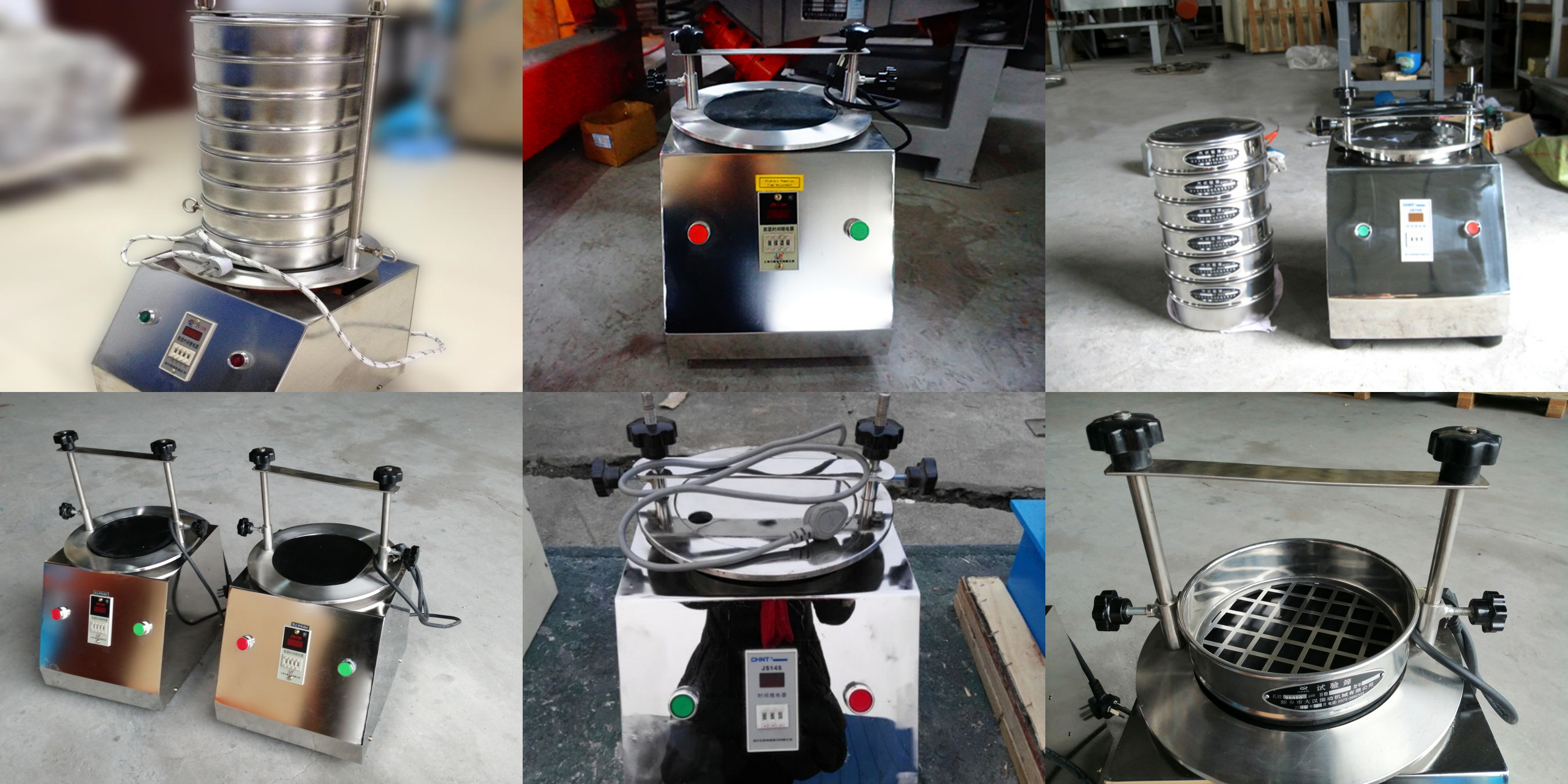
The price of sand test sieves can vary widely depending on a number of factors, including material, size and mesh size, manufacturer and brand.
Single sieves: Prices for individual sieves can range from about $20 to over $100.
Sieve sets: Sets that include multiple sieves, a plate, and a lid can range in price from a few hundred dollars.
When purchasing, it is important to consider the long-term value and accuracy of the sieve. Investing in a high-quality sieve ensures reliable and consistent results.
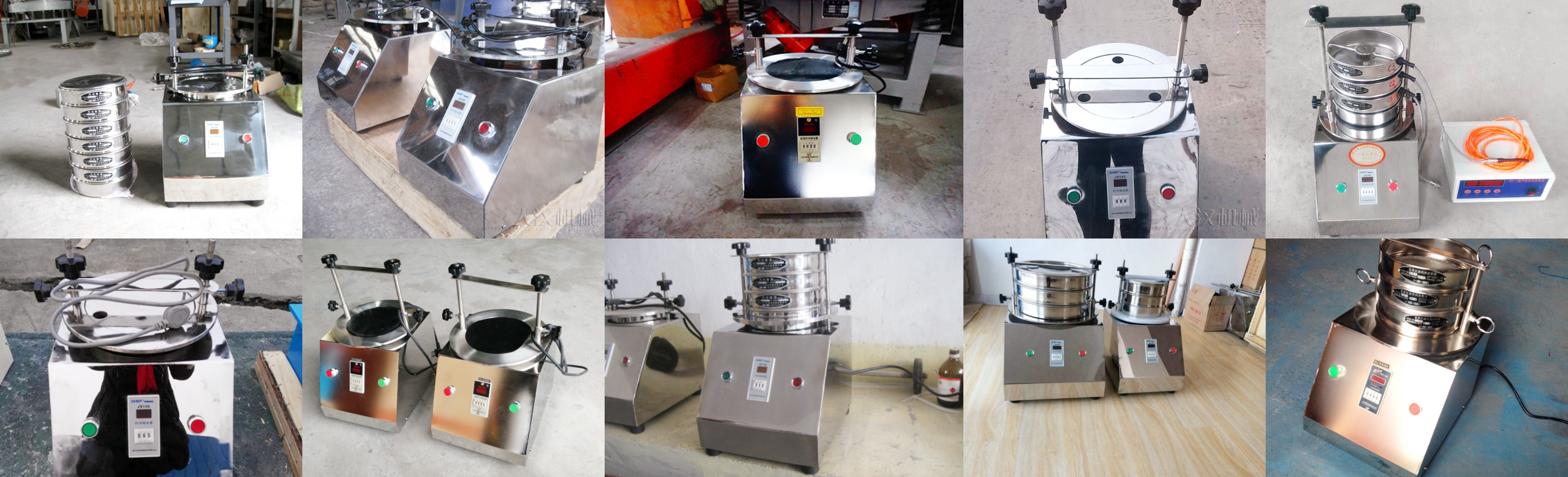
Five Advantages of Rotap Sieve Shaker
Rotap Sieve Shaker is mainly composed of machine base, sieve and transmission mechanism. It can be equipped with special fixtures, which can be used to clamp 200 test sieves, as wel...
Slap Type Test Sieve is mainly used in laboratories within universities/research institutes/enterprises, with standard test sieves for particle size analysis and detection of granul...
Are you interested?

Then we look forward to hearing from you