
WhatsApp:+86 15236742901

Email:sale@xxdahan.com


WhatsApp:+86 15236742901
Email:sale@xxdahan.com
![[field:title/]](/uploads/260731/1-260I1102A5M4.jpg)
Ultrasonic Sieves for Powder Coating is a screening device that integrates low-frequency mechanical motion and 35kHz high-frequency vibration. It breaks electrostatic adsorption and prevents fine powder of 10-635 mesh from clogging the mesh.
Anti-static screen clogging: 35kHz high-frequency vibration breaks electrostatic adsorption, preventing screen clogging.
Double the fine powder output: Increases the passing speed and recovery rate of 200-400 mesh ultrafine powders.
No heat generation or cake formation: Non-destructive low-temperature screen cleaning prevents thermosetting powders from melting and clumping due to friction.
Quick disassembly and easy color change: Reduces screen wear, extends screen life, and facilitates quick disassembly, cleaning, and color switching.
Port:Any port in China (Mainland)or as you need.
| Quantity(sets) | 1-2 | >2 |
| Delivery time(days) | 5 | To be negotiated |
In powder coating production lines, recycled powder easily absorbs moisture and clumps, adhering to the screen due to static electricity, causing screen clogging and resulting in particle or pinhole defects on the coating surface. Ultrasonic Sieves for Powder Coating can filter these clumps and foreign impurities, with a sieving particle size range typically between 10 mesh and 635 mesh (approximately 2000 microns to 20 microns). The parts in contact with the material and the overall frame are generally made of 304 or 316L stainless steel, providing strong wear resistance and preventing black particles generated by metal friction from contaminating the powder coating.
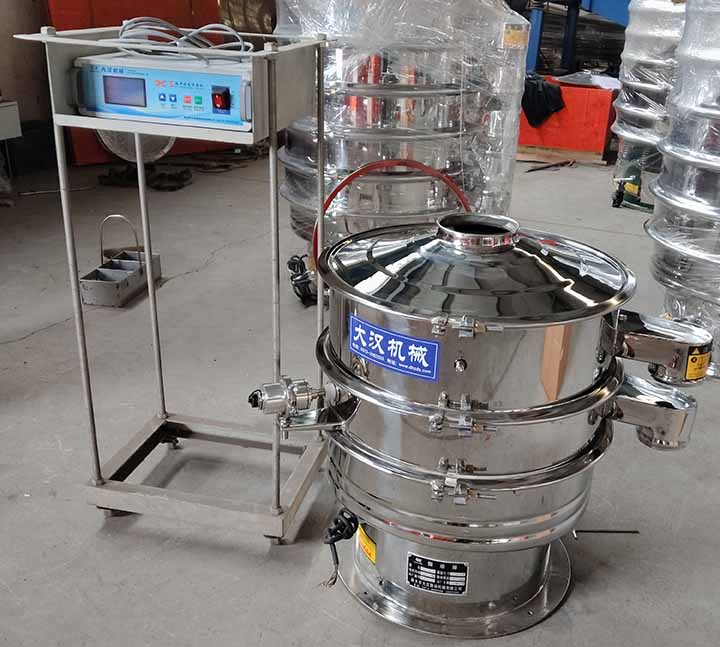
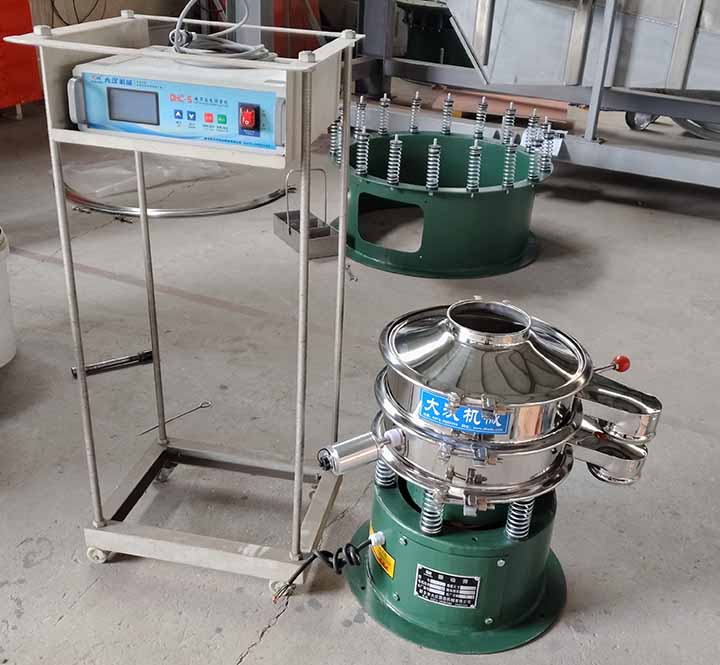
Ultrasonic sieves for powder coating can be configured to suit the actual operating environment of the powder coating workshop, such as by installing external ultrasonic transducers or using explosion-proof motors.
External Ultrasonic Transducers: The transducer is installed outside the sieve frame and does not directly contact the powder. This prevents the internal transducer from overheating due to high-frequency operation, which could cause the thermosetting resin powder to melt and clump. It also reduces the difficulty of cleaning the machine when changing colors.
High Explosion-Proof Rating: Spray painting workshops are areas with flammable and explosive dust. This machine is equipped with an explosion-proof motor and an explosion-proof ultrasonic control power supply box certified by ATEX or Ex d IIB T4. All electrical interfaces are sealed to prevent dust ingress and sparks.
Quick Disassembly and Assembly Design: The sieve frame uses a quick-release locking ring, eliminating the need for wrenches or other tools. Operators can disassemble, clean, and replace the sieve within 3 to 5 minutes, reducing downtime during frequent color changes.
All Dahan explosion-proof ultrasonic sieving systems comply with CE and ATEX standards, ensuring safe, continuous operation in High-Dust (Zone 22) spray coating environments.
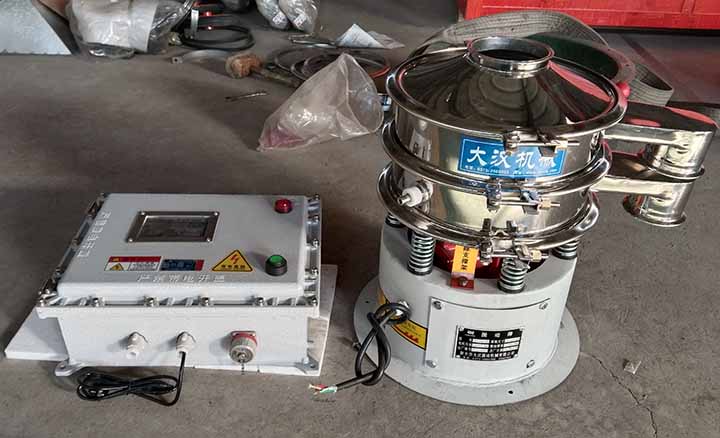
This equipment combines two mechanical motions. The basic drive is provided by a vibrating motor, generating three-dimensional low-frequency motion that causes the powder to diffuse outwards in a ring on the sieve surface. Meanwhile, the ultrasonic power supply converts 220V, 50Hz electrical energy into a 35kHz high-frequency electrical signal, which is transmitted to the stainless steel mesh frame through a transducer.
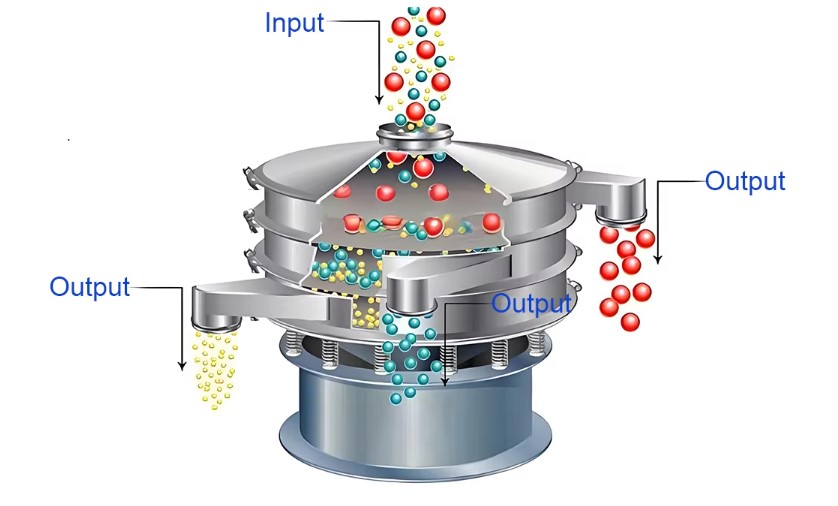
This high-frequency micro-amplitude vibration is directly transmitted to the entire screen, breaking the electrostatic adsorption between the powder coating and the metal wire, reducing friction between particles. This causes the fine powder on the ultrasonic mesh to bounce slightly, entering a micro-suspended state. At this time, powder clumps that have accumulated due to electrostatic discharge are broken up, and particles smaller than the mesh size quickly pass through the screen holes by their own gravity, preventing powder coating from clogging the mesh.
The machine can be used for screening before new powder is fed, recycling powder for reuse, etc. Below are the specific materials that can be screened.
Epoxy resin powder: It has good adhesion, but due to its strong hygroscopicity, it easily forms lumps during storage. The equipment can grind it and filter out large particles.
Polyester resin powder: It is a standard powder for outdoor spraying, and strict requirements are placed on the uniformity of particle size distribution.
Metal Powders: Containing metallic particles such as aluminum powder and mica, these powders easily generate high static electricity upon friction. Ultrasonic vibration prevents these metal flakes from becoming laterally stuck in the mesh.
Polyurethane and Acrylic Resin Powders: These require extremely high surface leveling properties. Ultrasonic sieves can remove any oversized particles that could cause pinholes.

| Model | Screen Diameter | Mesh Size | Ultrasonic Power | Handling Capacity |
|---|---|---|---|---|
| DHC-600 | 600 mm | 10–635 Mesh | 35 kHz / 200W | 100–300 kg/h |
| DHC-800 | 800 mm | 10–635 Mesh | 35 kHz / 300W | 300–600 kg/h |
| DHC-1000 | 1000 mm | 10–635 Mesh | 35 kHz / 400W | 500–1000 kg/h |
Prices vary depending on the specifications and production volume requirements.
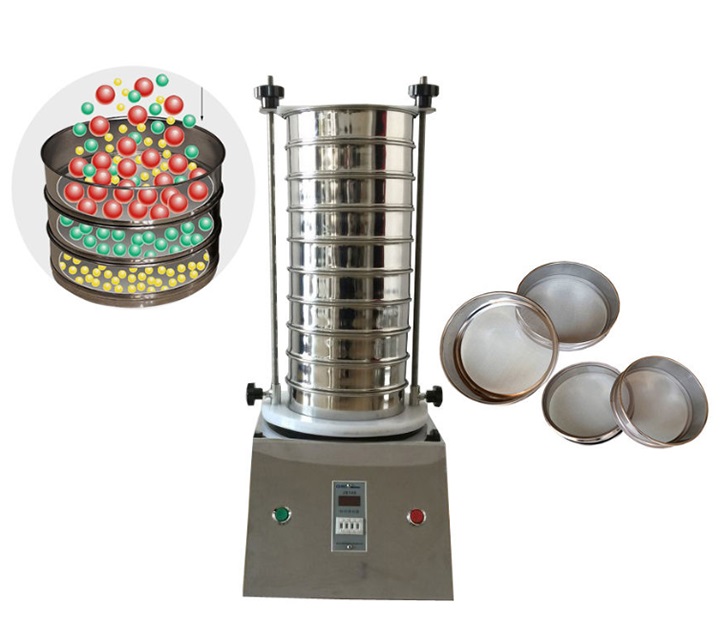
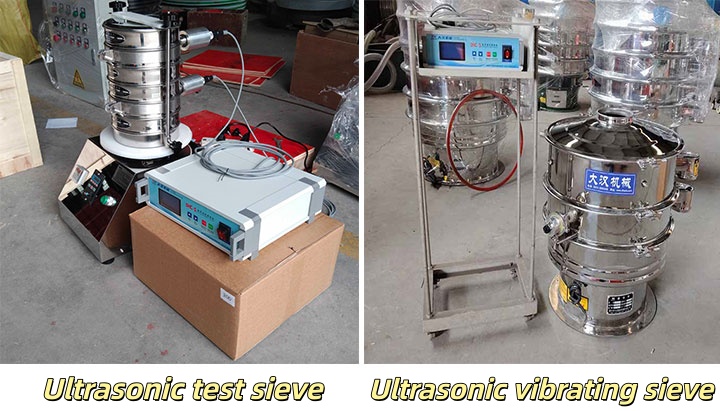
Ultrasonic Test Sieves for Testing: Typically 200mm or 300mm in diameter, these sieves are used for laboratory testing of single batches of samples or for quality control. A complete set, including a standard base and ultrasonic system, costs between $1,200 and $2,500.
DHC Series Industrial Ultrasonic Vibrating Sieves: Designed for continuous production lines, common diameters are DHC-600 (600mm diameter) and DHC-800 (800mm diameter). The base price for a single-layer system ranges from $3,500 to $8,000.
Screening Diameter: The DHC-1000 requires more stainless steel sheet and a more powerful motor than the DHC-600; the price increases with diameter.
Explosion-Proof Configuration: Systems with third-party explosion-proof certification cost approximately 20% to 35% more than standard non-explosion-proof models.
Transducer Origin and Frequency Stability: Digital ultrasonic generators with automatic frequency tracking are more expensive than manually tuned analog generators.
Customized Layers: Double-layer screens (capable of simultaneously grading three different coarse materials) have higher machining costs than single-layer screens.
A complete powder coating line typically includes a pretreatment system, electrostatic spray guns, a spray booth, a curing oven, and a powder recovery loop. Positioned at the critical junction between powder supply and recycling, the ultrasonic sieve acts as an essential quality guardian. It continuously filters raw and reclaimed powders, breaking agglomerates and removing fine impurities before re-spraying to prevent spray gun clogging and eliminate coating surface defects.
Powder coatings are fine synthetic resins that easily generate static electricity during friction. This static causes fine particles to adsorb to each other and stick to the metal wires, forming mesh blinding. Ultrasonic vibration eliminates static forces and keeps particles suspended.
Yes, our DHC series ultrasonic sieves can be custom-fitted with continuous feeding hoppers, automatic powder recovery systems, and explosion-proof control cabinets for seamless line integration.
Fine powders typically use sieve numbers ranging from 100 to 400 mesh (approx. 150 to 38 microns), with ultrasonic sieves commonly applied for ultra-fine meshes above 200 mesh to prevent blinding.
The powder sieving process is a mechanical separation method that uses vibration or ultrasonic waves to filter powder through a mesh screen, breaking agglomerates and removing impurities to ensure uniform particle size.
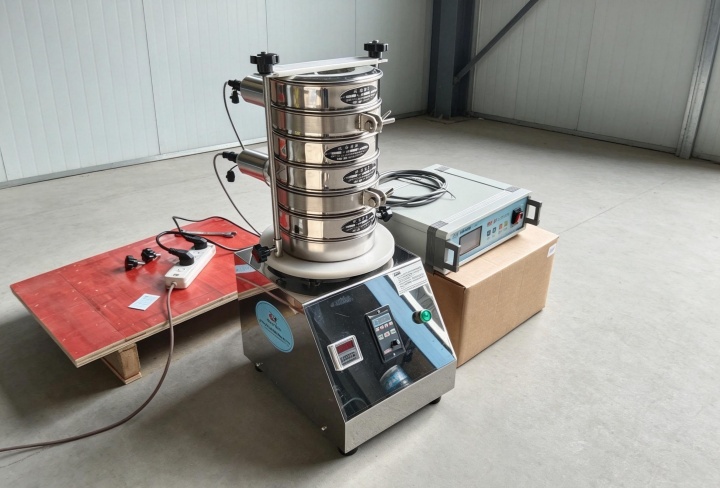
Ultrasonic Sieves for Powder Coating solve the screen clogging problem caused by static electricity and material agglomeration in the spray coating industry by using external transducers and explosion-proof technology. Whether it's a 200mm test sieve for workshop laboratory testing or a DHC series industrial sieve for production line recycling systems, the appropriate model can be selected based on the actual processing capacity, or customized to individual needs.
flour particle size analysis is a method and instrument used to determine the distribution and size range of flour particles...
Sonic Sieve Shaker for Metal Powder Testing
Metal powders possess unique physical properties. When particle size decreases to the micrometer level...
Test sieves for laboratory use are widely adopted in scientific research and quality control because they cover sieving needs ranging from...
Ultrasonic Sieves for Fine Powder
Ultrasonic Sieves for Fine Powder adds an ultrasonic system to a regular vibrating screen, enabling the sieving of fine powders...
Are you interested?

Then we look forward to hearing from you