

WhatsApp:+86 15236742901

Email:sale@xxdahan.com


WhatsApp:+86 15236742901
Email:sale@xxdahan.com
![[field:title/]](/uploads/260929/2-260929145150346.jpg)
Ultrasonic Test Sieve Shaker combines mechanical sieve motion with ultrasonic vibration to improve the screening of fine powders and particles. It is suitable for particle size analysis when materials tend to clog the mesh, adhere to the screen surface, or are difficult to pass through fine openings.
Price:$200.00-$3,680.00/Set/Set
Sieve diameter: 75mm/100mm/200mm/300mm/400mm
Ultrasonic frequency: 20-40 kHz
Material: 304 stainless steel or as required
Application: Fine powder particle size analysis, laboratory testing and difficult-to-screen materials
Features: Ultrasonic deblinding system helps reduce mesh clogging and material adhesion during fine screening
Port: Any port in China (Mainland) or as you need.
| Quantity(sets) | 1-2 | >2 |
| Delivery time(days) | 5 | To be negotiated |
An Ultrasonic Test Sieve Shaker combines mechanical sieve motion with ultrasonic vibration at the screen surface. It is intended for particle size analysis when fine powders tend to remain on the mesh, build up around the openings, or make high-mesh sieving difficult to repeat consistently. The ultrasonic system assists particle movement through the sieve without replacing the normal screening action.
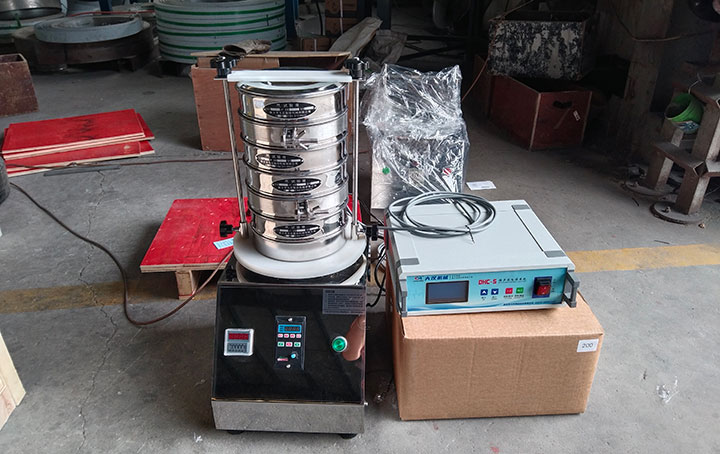
For samples that pass readily through a conventional test sieve, a standard sieve shaker may be sufficient. Ultrasonic assistance becomes useful when the sample is fine, cohesive, electrostatic, or prone to mesh blinding. The sieve diameter, aperture, number of sieves, and ultrasonic configuration can be selected according to the test method and sample characteristics.
Ultrasonic assistance is mainly useful when the sample does not move through the test sieve as readily as expected. Fine particles can collect around the mesh openings, cling to the wires because of static charge, or form small agglomerates that remain on the screen. These conditions become more noticeable as the aperture becomes smaller.
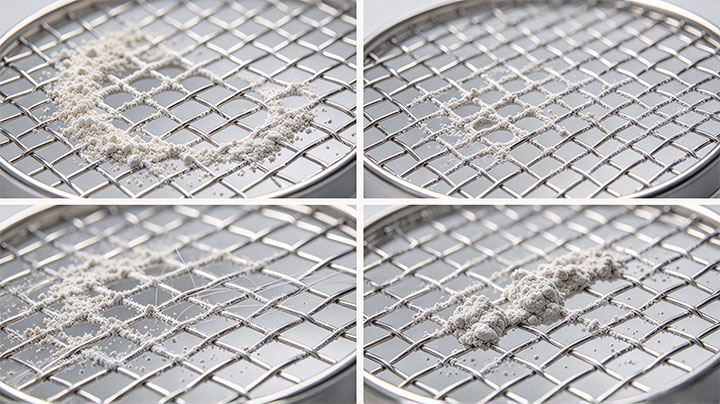
Fine powders: Small particles may stay around the mesh openings instead of passing through them freely.
Mesh blinding: Particles can cover or partially block the openings, reducing the available screening area during the test.
Electrostatic materials: Lightweight particles may adhere to the sieve surface or to other particles instead of moving through the openings.
Cohesive or agglomerated samples: Fine particles may form small clusters that are difficult to separate by mechanical movement alone.
For these samples, the purpose of ultrasonic assistance is not simply to increase vibration. It adds a fine, high-frequency movement at the sieve surface to help keep the openings usable while the mechanical shaker continues to move and separate the sample.
The ultrasonic system works alongside the mechanical shaker rather than replacing it. An ultrasonic generator supplies electrical energy to a transducer, which converts it into high-frequency mechanical vibration. This vibration is transferred through the ultrasonic assembly to the selected test sieve, creating a fine vibration at the mesh surface while the sieve shaker continues its normal screening motion.
See the ultrasonic test sieve in operation and how ultrasonic assistance is applied to fine powder screening.
As the sample moves across the vibrating mesh, the additional high-frequency movement helps particles maintain contact with the open areas of the sieve rather than remaining attached to the mesh. The mechanical vibration provides the main particle movement, while the ultrasonic component acts locally at the sieve surface. This combined action is particularly useful when the test requires a fine aperture or when the sample tends to interfere with normal passage through the mesh.
The main difference is how the sample interacts with the sieve mesh during testing. Mechanical shaking still provides the overall movement of the sample, while ultrasonic vibration changes the conditions directly at the mesh. This can be useful when ordinary screening leaves too much material on the sieve for reasons unrelated to particle size alone.
See an ultrasonic test sieve in operation for wheat flour screening and particle size analysis.
More open sieve area: Fine particles are less likely to remain around the mesh openings and interfere with continued screening.
Less particle adhesion: High-frequency movement can help reduce the tendency of fine or electrostatic particles to stay attached to the mesh.
More consistent passage: Particles that repeatedly sit on or bridge across the openings have more opportunity to move toward an available opening.
Less interruption during testing: For difficult powders, reducing mesh buildup can lessen the need to stop the test and manually clean the sieve.
The actual effect depends on the material, sieve aperture, sample quantity, and test conditions. Ultrasonic assistance is therefore a configuration choice for a specific screening problem, rather than a replacement for the basic test sieve method.
A standard test sieve shaker is usually suitable when the sample flows freely through the selected mesh and does not cause noticeable buildup on the sieve surface. For routine particle size analysis of relatively easy-to-screen materials, adding an ultrasonic system may not provide a practical benefit.
Ultrasonic assistance becomes more relevant when the screening result is affected by the behavior of the sample rather than the sieve aperture itself. Fine powders that cling to the mesh, samples that become difficult to pass as the aperture gets smaller, or materials that repeatedly require manual cleaning are typical situations to consider.
| Screening condition | Typical choice |
|---|---|
| Free-flowing sample with little mesh buildup | Standard test sieve shaker |
| Fine sample that tends to remain on the mesh | Consider ultrasonic assistance |
| Electrostatic or cohesive powder | Consider ultrasonic assistance |
| Frequent mesh cleaning during testing | Consider ultrasonic assistance |
The choice should be based on the sample behavior, required aperture, test quantity, and test method. A standard shaker remains a practical option when these conditions do not create a screening problem.
The need for ultrasonic assistance depends more on how a material behaves on the mesh than on the industry it comes from. Fine, lightweight, cohesive, or electrostatic powders are more likely to benefit when particles tend to remain on the sieve instead of passing through the selected aperture.
| Material | Common screening consideration |
|---|---|
| Pharmaceutical powders | Fine particles may remain around small sieve openings during particle size analysis. |
| Metal powders | Fine particles can be difficult to separate when the selected aperture is small. |
| Graphite and carbon powders | Fine particles may adhere to the mesh and reduce the available open area. |
| Calcium carbonate | Fine powder can accumulate on the sieve during repeated screening. |
| Flour and other fine food powders | Cohesive particles may not pass through the mesh as freely as individual particles. |
| Ceramic powders | Fine fractions may require additional assistance when using small apertures. |
These materials do not automatically require ultrasonic screening. The more useful question is whether the sample causes mesh buildup, particle adhesion, or restricted passage under the intended test conditions. A sample test can be used when the appropriate configuration is uncertain.
The right configuration depends on the sample, target particle range, and test procedure. Sieve diameter and aperture should match the amount of material being tested and the required particle separation, while the number of sieve layers depends on how many size fractions need to be collected.
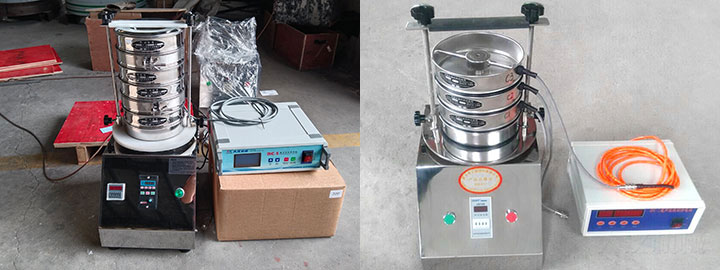
Sieve diameter: Choose a diameter that provides enough screening area for the sample without making the test setup unnecessarily large.
Sieve aperture: Select the opening according to the particle size range being measured rather than choosing a mesh number alone.
Number of layers: Use a single sieve for a simple pass/fail check or multiple apertures when several particle fractions need to be separated.
Ultrasonic assistance: Consider it when fine or difficult-to-screen material interferes with normal passage through the selected sieve.
For a specific setup, the material, required particle range, sample quantity, sieve aperture, and test method should be confirmed together. This avoids selecting the equipment from sieve diameter alone.
| Parameter | Unit | Specification |
|---|---|---|
| Test Sieve Frame | Layers | 1-7 |
| Sieve Frame Diameter | mm | φ200, φ300 |
| Particle Size | mm | 0.025-3 |
| Noise | dB | <50 |
| Feeding Amount | g | <500 |
| Amplitude | mm | <5 |
| Motor Voltage | V | 220 |
| Motor Speed | r/min | 1450 |
| Motor Power | kW | 0.18 |
| Dimensions | mm | 350 × 350 × (300 + N×50) |
An ultrasonic test sieve setup should be matched to the sample and test procedure rather than selected from sieve diameter alone. Before recommending a configuration, we normally need a few basic details about the intended test.
Material: What material will be tested, and is it dry, cohesive, lightweight, electrostatic, or prone to mesh buildup?
Particle size range: What particle size range needs to be measured, and what sieve apertures are required?
Sample quantity: How much material will be loaded for each test?
Test method: Is the test intended for single-size screening, multi-fraction particle size analysis, or another laboratory procedure?
Sieve requirements: What sieve diameter and number of sieve layers are required?
With this information, the sieve diameter, sieve combination, ultrasonic assistance, and other machine details can be matched to the actual testing conditions instead of using a standard configuration by default.
Yes. The ultrasonic configuration can be matched with different test sieve apertures according to the particle size range being tested. The suitable setup should be confirmed based on the sieve diameter, mesh specification, material, and test method.
Yes. The shaker can be configured with multiple test sieve layers for particle size analysis involving several size fractions. The number of sieves depends on the test procedure and the required particle size separation.
No. Fine particle size alone does not determine whether ultrasonic assistance is necessary. If the sample passes through the selected sieve without significant mesh buildup or adhesion, a standard sieve shaker may be sufficient. Ultrasonic assistance is mainly considered when the sample interferes with normal screening.
Please provide the material name, particle size range, required sieve aperture, sample quantity, sieve diameter, number of sieve layers, and test requirements. If available, a sample description or existing test method can also help determine the appropriate configuration.
If you are unsure whether ultrasonic assistance is suitable for your sample, send us the material name, particle size range, required sieve aperture, sample quantity, and test requirements. We can review these details and recommend a suitable Ultrasonic Test Sieve Shaker configuration for your laboratory testing.
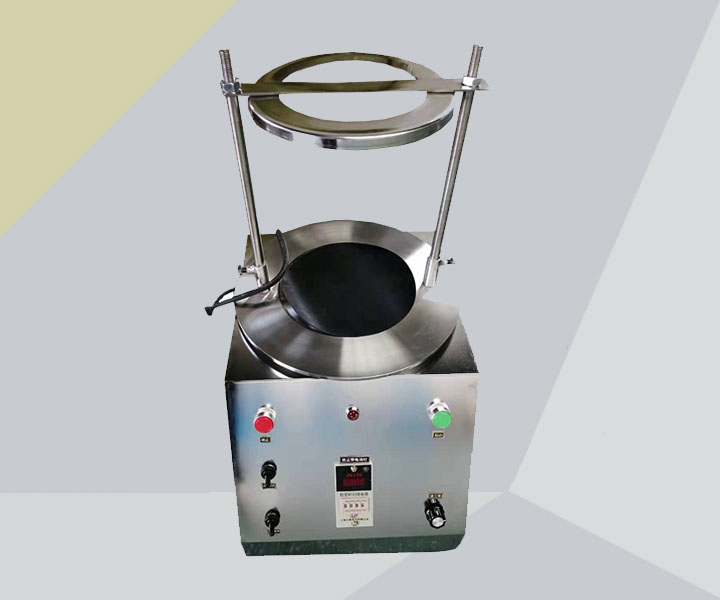
Screening accuracy: 5μm
Price: $450.00 - $1,000.00/ Sets
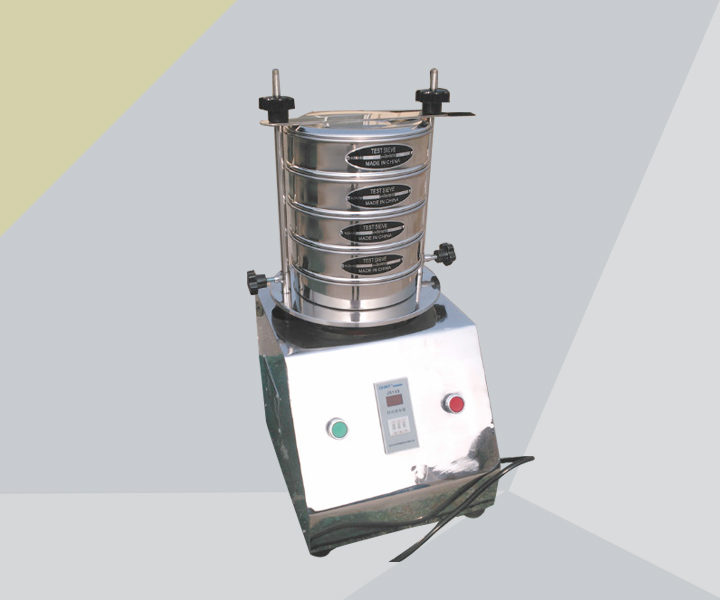
Measuring range: 20µm - 125mm
Price: $520.00/Sets
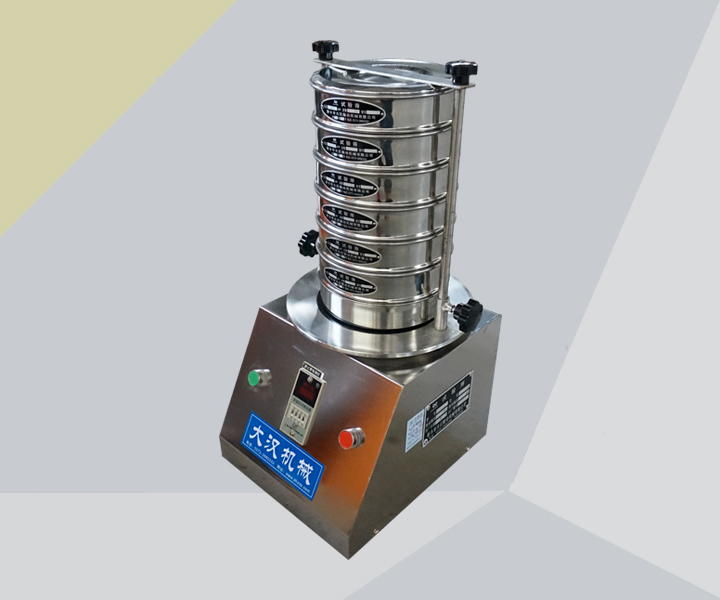
Laboratory Sieve Shaker Machine
Measuring range: 20µm-125mm
Price: $600.00 - $980.00/Set
Are you interested?

Then we look forward to hearing from you