
WhatsApp:+86 15236742901

Email:sale@xxdahan.com


WhatsApp:+86 15236742901
Email:sale@xxdahan.com
![[field:title/]](/uploads/260611/1-260611161P3412.jpg)
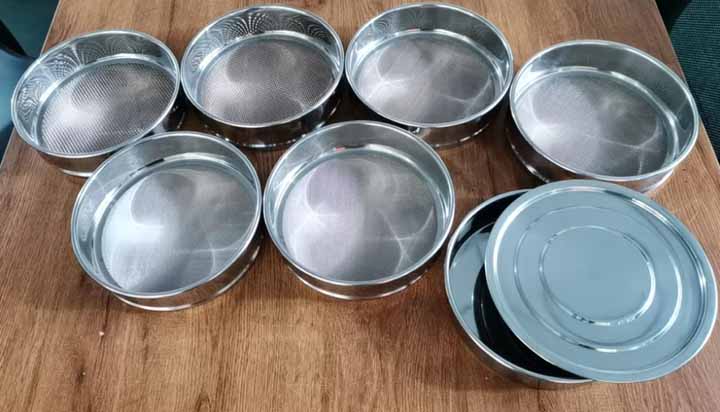
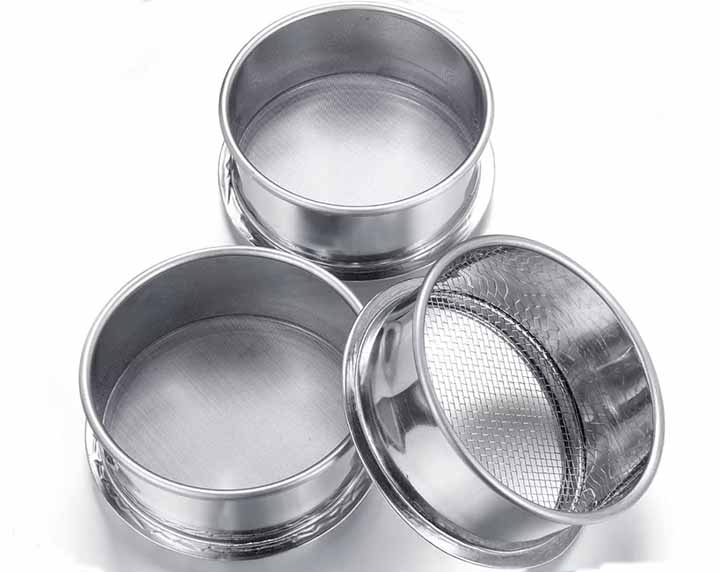
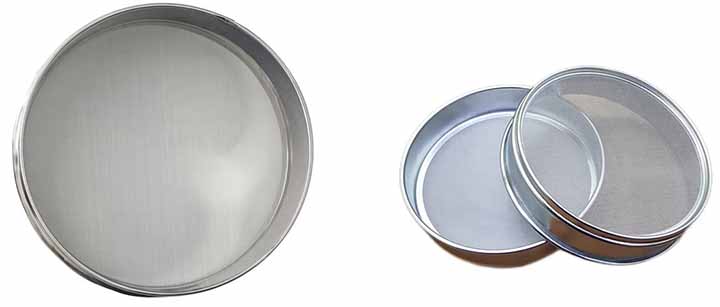
The 200-mesh laboratory sieve is responsible for particle size detection and interception in material classification. With a nominal aperture of 0.075 mm, it can trap particles larger than this size while allowing fine powders to pass through. Its sieve frame is manufactured using a seamless stretching process, and common standard diameters are 200 mm (approximately 8 inches) and 300 mm (approximately 12 inches), accommodating different sample throughput requirements.
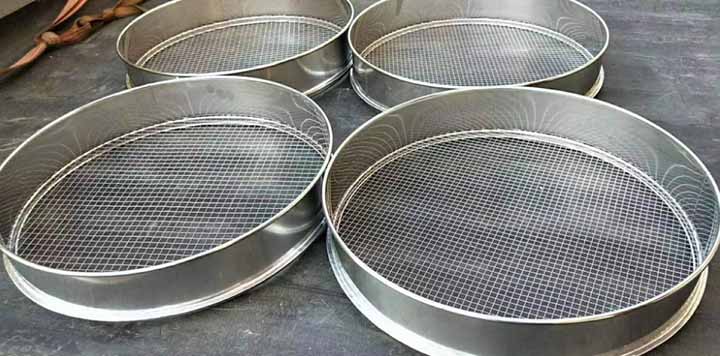
The 200-mesh laboratory sieve frame is available in 50 mm full-height and 25 mm half-height configurations. The half-height configuration is typically used in models with multi-layer stacked sieves and limited total height. In terms of materials, the entire mesh and frame are woven from SUS304 or SUS316L stainless steel wire and cold-worked sheet metal. Stainless steel provides resistance to air oxidation and detergent washing, avoiding the risk of rust and impurities contaminating the sample.
The mesh of this standard sieve is woven using a tight-weave plain stainless steel wire process, with the diameter of each wire controlled to approximately 0.050 mm, thus maintaining a stable open area ratio. During assembly, the mesh is uniformly tensioned radially and axially using automated tooling, preventing deformation or tensile displacement of the mesh openings. The connection between the sieve mesh and frame does not use traditional soldering; instead, alloy welding or mechanical edge-pressing technology is employed, resulting in a smooth and flat internal joint. When powder moves within the sieve, it will not accumulate or jam at the edge gaps, facilitating cleaning with an ultrasonic cleaner and improving data reproducibility during continuous weighing analysis.
| Core Parameter | Standard Specifications / Common Options for 200 Mesh Sieve |
| Mesh Size | 200 Mesh |
| Aperture / Opening | 0.075 mm / 75 μm |
| Wire Diameter | Normally around 0.050 mm (50 μm) |
| Frame Diameter | Commonly 200 mm or 8 inch (approx. 203 mm) |
| Frame Height | Available in Full Height (approx. 50 mm) or Half Height (approx. 25 mm) |
| Material | Screen Mesh: 304/316 Stainless Steel; Frame: Stainless Steel or Brass |
| Standard | ASTM E11 (US Standard), ISO 3310-1 (International), GB/T 6003 (Chinese National Standard) |
200-mesh laboratory sieves are commonly used in the gradation determination of solid powders. In the fields of additives and pharmaceutical powders, it is used to detect the particle size distribution of active pharmaceutical ingredients after ultrafine grinding, preventing large particles from affecting the dissolution rate of the drug. In the metal powder molding and 3D printing industry, it is used to filter non-spherical foreign objects and agglomerated carbides with a diameter greater than 75 micrometers in spherical titanium powder and aluminum alloy powder, preventing nozzle clogging. In geological and mineral analysis, operators use it to separate the fine sand and dust components in tailings sand, quartz powder, or cement clinker, providing the basic data required for gradation curves. In food research and development, it is used to test the fineness of cocoa powder, flour, or starch grinding and to determine the mass percentage of non-compliant coarse particles.
| Classification (Materials) | Picture |
|
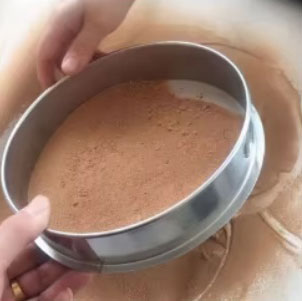
Cement & Fly Ash Used to test the fineness of cement clinker and the particle grading of fly ash. |
 |
|
3D Printing Metal Powders Sifting titanium, aluminum, or stainless steel powders to remove oversized particles and prevent nozzle clogging. |
 |
|
APIs & Pharmaceutical Excipients Controlling the micro-powder fineness of active pharmaceutical ingredients, lactose, and cellulose to optimize dissolution rates. |
 |
|
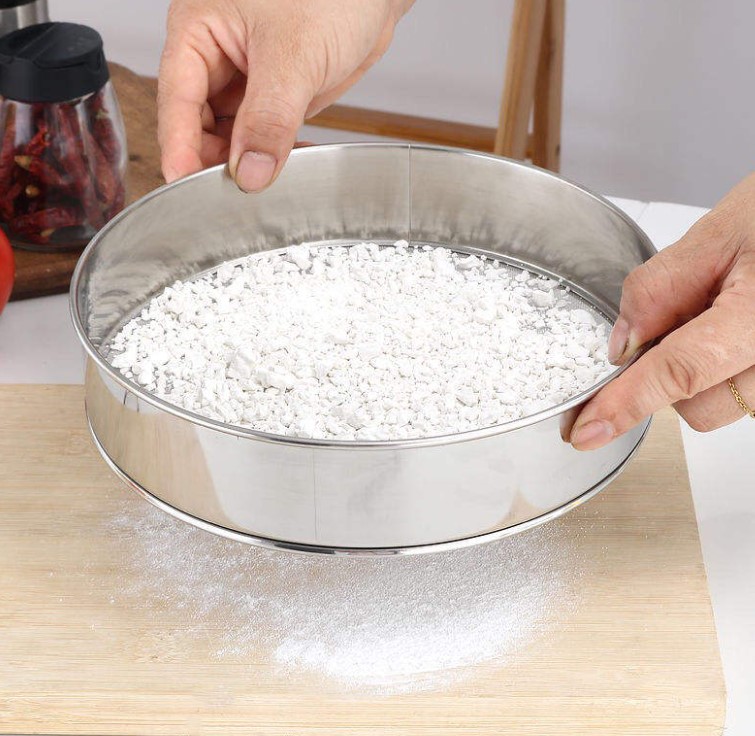
Flour & Starch Inspecting the milling fineness of wheat flour, potato starch, or corn starch in food quality control. |
 |
|
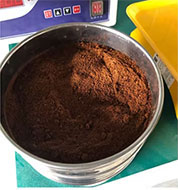
Kaolin & Ceramic Clays Sieving raw ceramic materials and glazes to eliminate agglomerates, preventing surface defects during sintering. |
 |
|
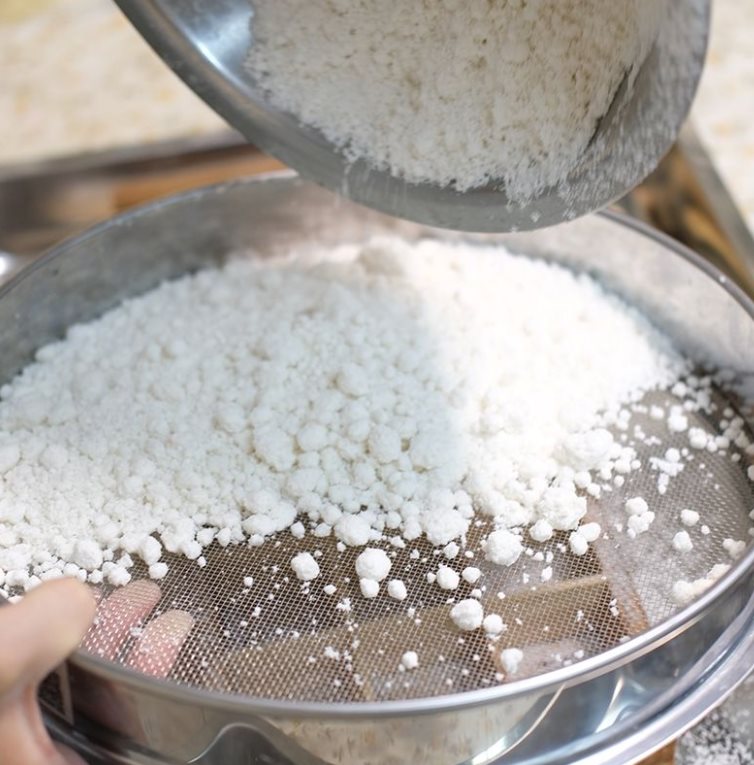
Titanium Dioxide & Pigments Filtering aggregated particles in inorganic pigments to ensure excellent dispersibility and hiding power in coatings. |
 |
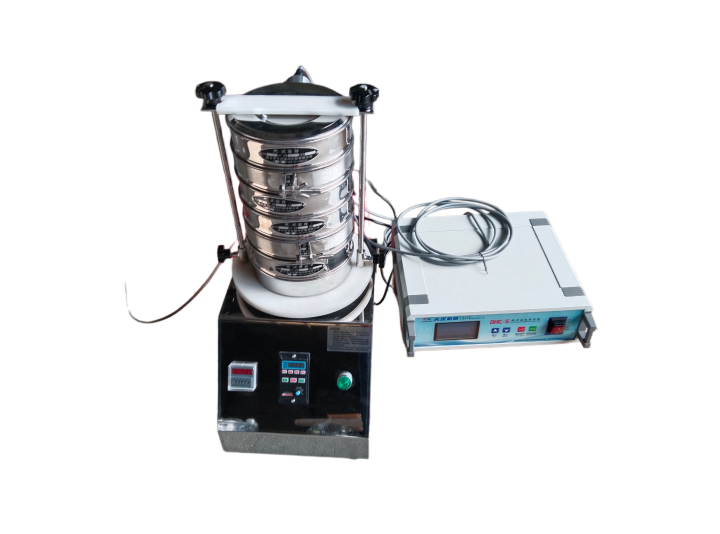
As a testing unit, this standard sieve needs to work in conjunction with other components. A complete set of accessories includes a top sieve cover to prevent dust from escaping; a bottom sieve pan to collect particles smaller than 75 microns; and a rubber or polyurethane bouncing ball inside the sieve that vibrates and impacts the back of the mesh to loosen critical particles stuck in the mesh openings. In terms of machine compatibility, the sieve frame has a standard stepped groove structure on its lower edge, compatible with standard-sized vibrating sieves, ultrasonic sieves, and top-impact sieves, allowing for use with different equipment.
The price range for a 200-mesh laboratory sieve is between $35 and $135. Factors contributing to this price difference include the following.
Material grade directly impacts cost; SUS316L, due to its high molybdenum content, costs approximately 30% more than SUS304. The diameter and height of the sieve frame determine processing complexity; large diameters or non-standard custom heights require individual mold adjustments, increasing labor costs. Whether a third-party calibration report is included is also a key variable; sieves with calibration certificates conforming to ASTM E11 or ISO 3310-1 standards, achieved through aperture scanning with an optical projector, will have their testing costs directly added to the selling price.
Answer: Because the 75-micron mesh is very fine, it cannot be scraped with a hard wire brush or sharp tools. It should be placed in an ultrasonic cleaning tank and cleaned with water or a neutral solvent for 5 to 10 minutes, then hung to dry.
Answer: Both have the same nominal aperture of 75 micrometers, but there may be slight differences in the fit tolerance of the sieve frame edges. It is recommended to use the same standard sieve frame in the same set of stacked sieves.
Answer: Mesh wear is a normal physical wear and tear. When used for testing high-hardness mineral powders, the sieve should be calibrated regularly using standard materials (such as glass microspheres). Once the transmittance deviation exceeds the standard range, a new sieve must be replaced.
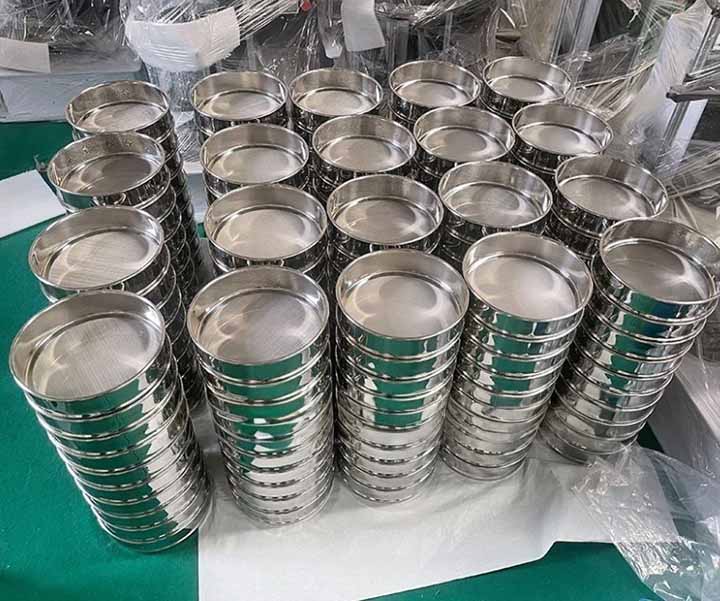
The 200 Mesh Laboratory Sieve, relying on stainless steel plain weave technology and internationally standardized aperture dimensions, plays a fundamental and standardized role in the size control and particle size detection of fine solid particles. Through reasonable diameter and height configuration, complete accessory combination, and regular calibration and maintenance, this equipment can provide stable test data support for laboratory physical property testing and is a basic component in the powder industry quality control chain.
Ultrasonic Sieves for Fine Powder
Ultrasonic Sieves for Fine Powder adds an ultrasonic system to a regular vibrating screen, enabling the sieving of fine powders...
Sonic Sieve Shaker for Metal Powder Testing
Metal powders possess unique physical properties. When particle size decreases to the micrometer level...
Stainless Steel Test Sieve For Pharmaceutical Powder
Stainless Steel Test Sieve For Pharmaceutical Powder can be used to detect the particle size of pharmaceutical powders and separate powders of different coarseness...
Test Sieve For Cement Fineness Testing
Test Sieve For Cement Fineness Testing are common screening tools used in cement production, quality inspection, and engineering construction to determine the fineness of cement particles...
Are you interested?

Then we look forward to hearing from you