
WhatsApp:+86 15236742901

Email:sale@xxdahan.com


WhatsApp:+86 15236742901
Email:sale@xxdahan.com
![[field:title/]](/uploads/allimg/260623/1-2606231G052455-lp.jpg)
In the rubber and plastics industries, managing the quality of raw materials determines the durability of the final product. A carbon black test sieve is a tool for assessing the content of large, undispersed particles in carbon black powder. Through sieve residue testing, laboratories can identify excessively large contaminants that may cause microcracks in tires or structural defects in molded plastics.
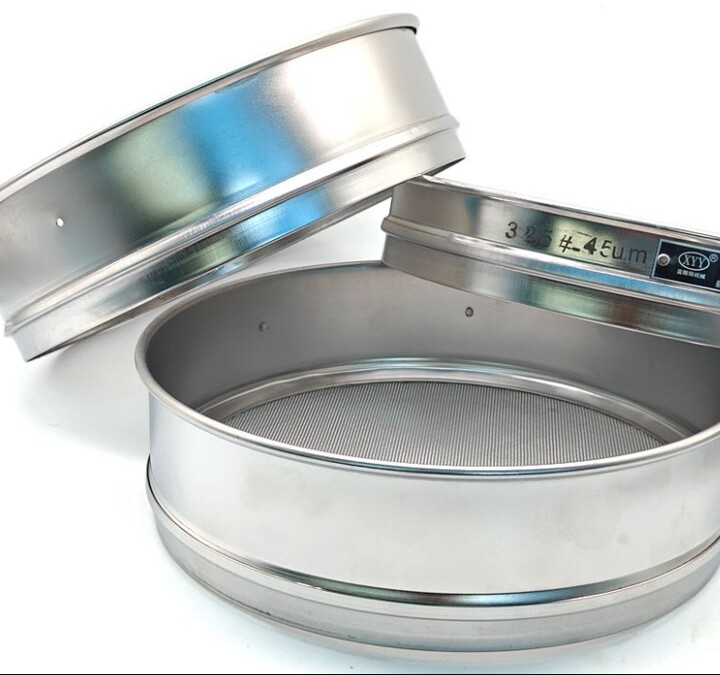
Standard testing procedures filter particles at the microscale, typically capturing particles as small as 45 microns. To resist the chemical effects of industrial dispersants and continuous water flow during wet analysis, these testing instruments are constructed from heavy-duty 304 or 316L stainless steel.
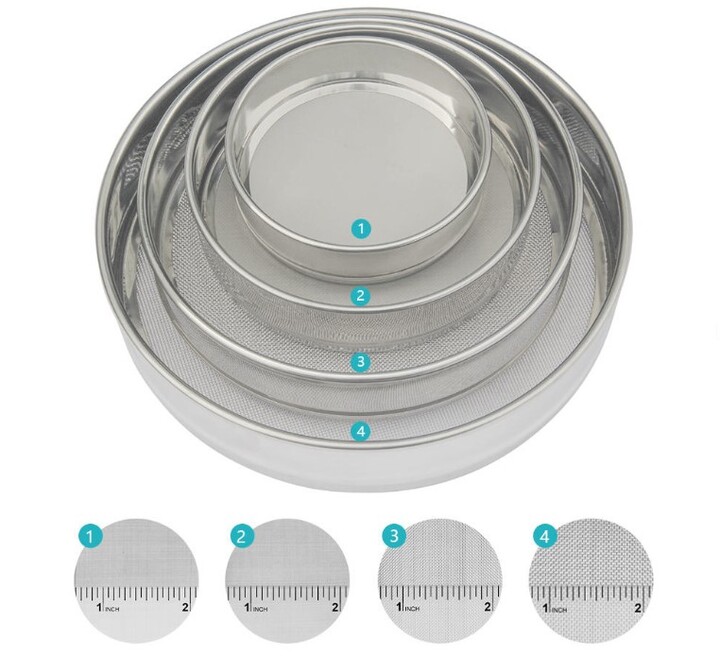
The assessment of carbon black residue conforms to specific mesh sizes defined by international standards such as ASTM E11. The following is a table of technical measurements for selecting appropriate mesh elements.
| Mesh Count | Aperture Size (Micrometers) | Wire Diameter (mm) | Standard Compliance |
| 35 Mesh | 500 μm | 0.315 mm | ASTM E11 / ISO 565 |
| 45 Mesh | 355 μm | 0.224 mm | ASTM E11 / ISO 565 |
| 100 Mesh | 150 μm | 0.100 mm | ASTM E11 / ISO 565 |
| 325 Mesh | 45 μm | 0.030 mm | ASTM E11 / ASTM D1514 |
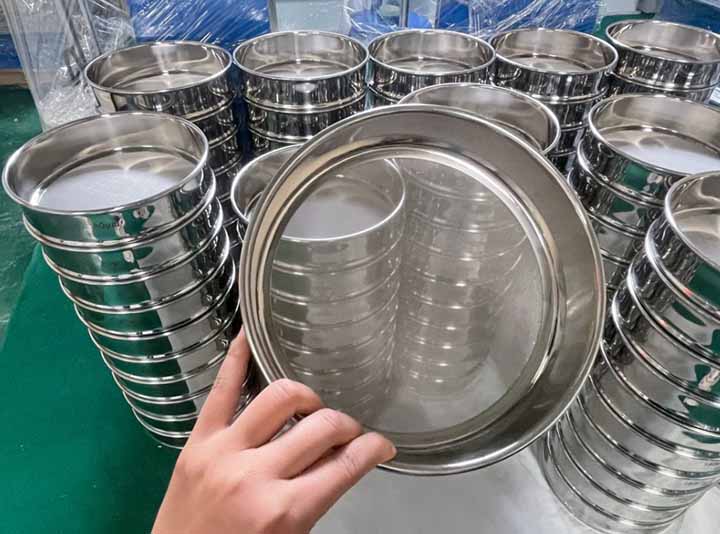
In a laboratory environment, the carbon black test sieve offers practical benefits through its unique structural design. It employs a seamless, weld-free sieve frame, eliminating dead angles between the wire mesh and the structural walls, preventing the retention of microscopic carbon black dust, and allowing for the cleaning and recovery of tested samples. The instrument utilizes a mechanical tensioning system during weaving, ensuring stable locking of each warp and weft thread, guaranteeing a stable pore structure without displacement or stretching under continuous water pressure during wet separation. Each test sieve frame is engraved with a unique identification number, supporting microscopic optical geometry calibration verification, enabling the laboratory to accurately trace every pore size measurement.
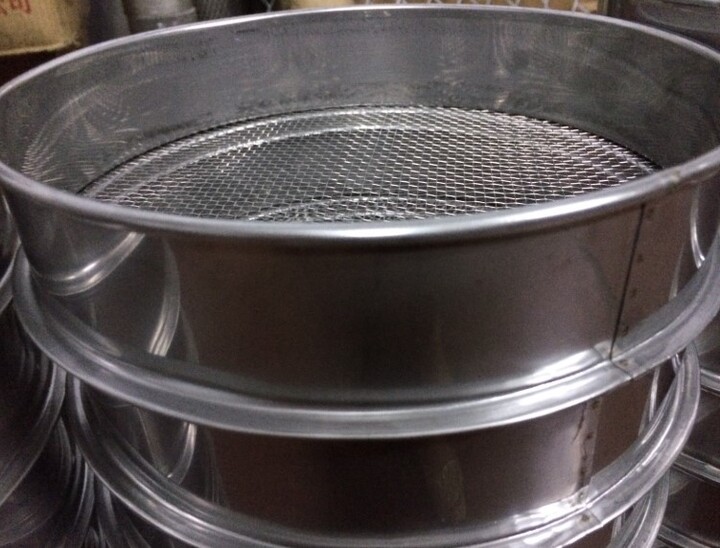
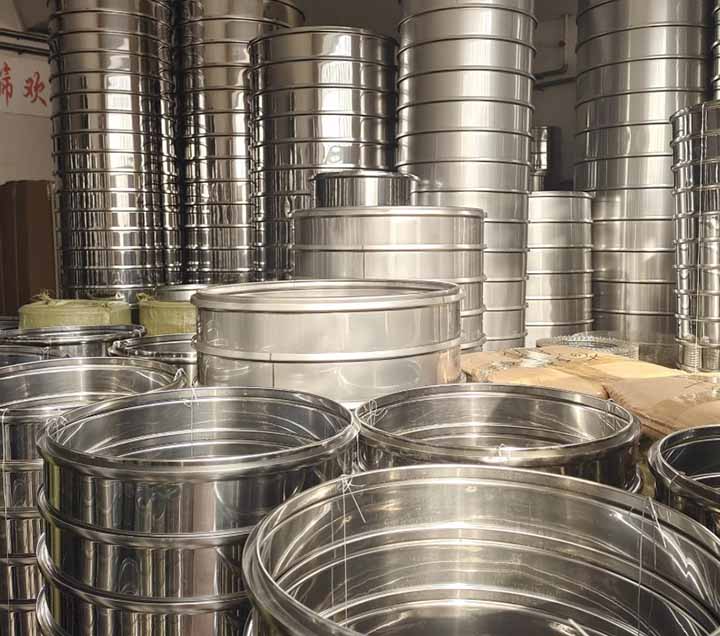
The standardized carbon black test sieve assembly consists of three physical components. Its sieve frame features a robust double-walled design, supporting nested stacking. Standard diameters are available in 8-inch (200 mm) or 3-inch (75 mm) sizes, with full-height (2 inch/50 mm headroom) and half-height (1 inch/25 mm headroom) options to accommodate different sample volumes. The core sieve is made of 316L grade stainless steel wire, providing corrosion resistance. The skirt at the bottom of the sieve frame extends downwards by 0.5 inches, allowing for a tight fit with nested trays or vibrating screens, providing a robust seal during operation and preventing the escape of fine dust.
A: This is a laboratory quality control method that measures and calculates the percentage by weight of coarse impurities, coke, or foreign debris remaining on the sieve by rinsing a specific weight of sample with water.
A: According to ASTM D1514, 100 grams of sample are mixed with water and a surfactant to disperse soft agglomerates, then poured into a 325-mesh sieve and rinsed with water. Finally, the hard sand particles remaining on the sieve are dried and weighed.
A: Native carbon black particles range in diameter from 10 to 100 nanometers, often melting into aggregates of 100 to 500 nanometers. Test sieves do not measure these nanoscale particles; instead, they capture large impurities and hard sand particles larger than 45 micrometers (45,000 nanometers).
A: Under 21 CFR regulations, certain high-purity carbon blacks are permitted for use in indirect food contact applications such as rubber conveyor belts or packaging polymers. When testing these batches, using a clean stainless steel sieve avoids introducing metal contamination.
A: Prices vary depending on specifications. A standard 8-inch 325-mesh 304 stainless steel sieve typically costs between $120 and $250; prices will be higher if 316L acid-resistant steel is used or if a third-party independent traceable calibration certificate is required.
Accurate residue measurement remains a fundamental requirement for the characterization of industrial carbon black. Using test sieves conforming to ASTM E11 standards with a 45-micron aperture allows laboratories to verify the purity of raw materials before they enter the production line. By examining structural specifications (including sieve frame diameter, wire mesh material, and joint structure), appropriate testing tools can be selected for long-term laboratory operation.
Are you interested?

Then we look forward to hearing from you