
WhatsApp:+86 15236742901

Email:sale@xxdahan.com


WhatsApp:+86 15236742901
Email:sale@xxdahan.com
![[field:title/]](/uploads/260711/1-260G1152P1A9.jpg)
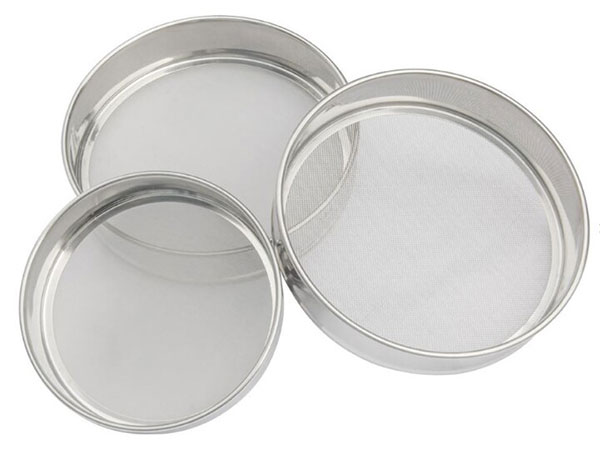
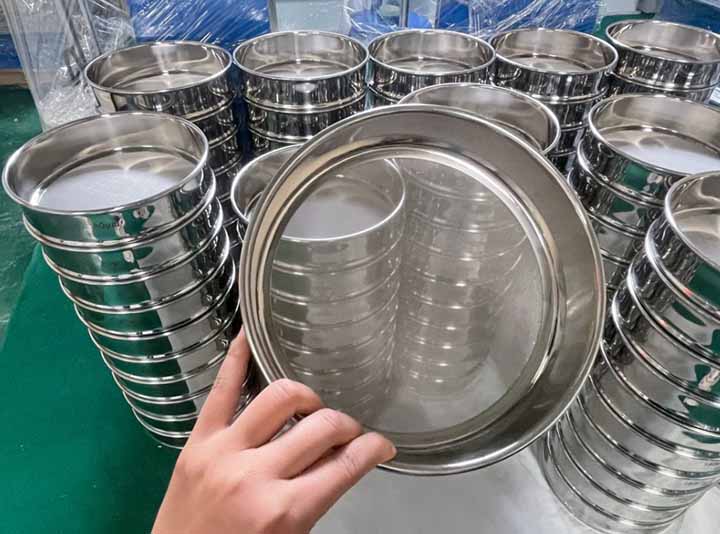
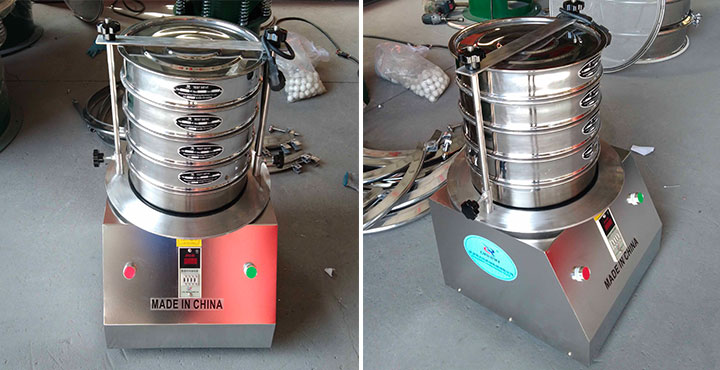
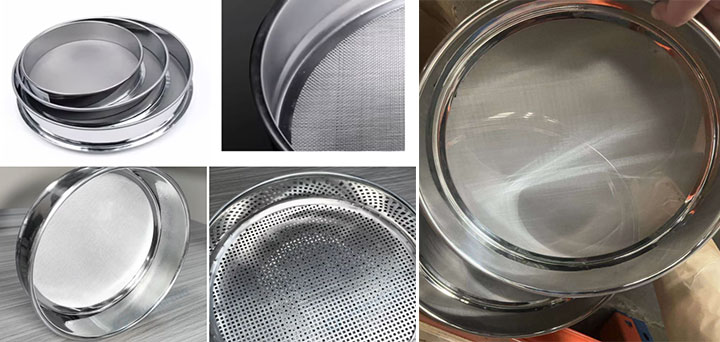
The Chemical Catalyst Test Sieve is an analytical grading instrument utilized for particle size distribution measurements of reactive catalytic agents. Constructed using seamless joint methodologies and inert contact surfaces, this specialized equipment manages dry powder classification, granular sub-batches, and wet slurry separation without introducing foreign metal ions or cross-contamination into the laboratory samples.
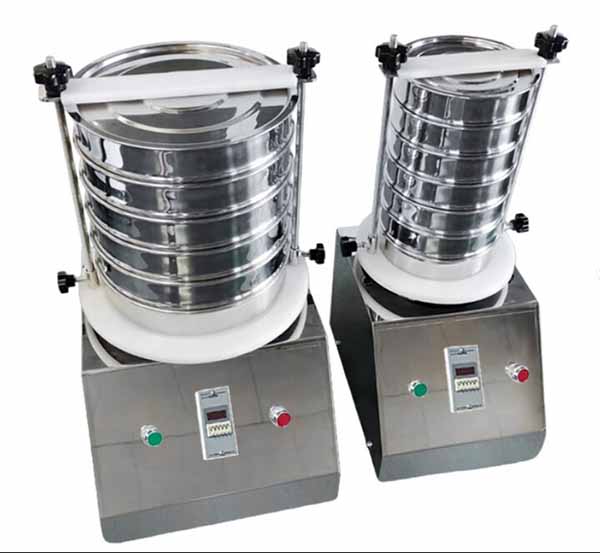
Interchangeable stack design accommodates multiple sieve layers simultaneously for simultaneous multi-fraction analysis.
Integrated mechanical timer controls vibration duration to eliminate human adjustment variations during testing protocols.
Standardized skirt diameter fits global laboratory shakers including standard ASTM E11 and ISO 3310-1 testing platforms.
Adjustable vertical vibration amplitude modifies movement energy depending on structural fragility of catalyst carrier materials.
SUS316L austenitic stainless steel construction offers material longevity under chemical exposure from organic solvents and weak acids.
Port: Any port in China (Mainland) or adjusted to your logistics requirements.
| Quantity (sets) | 1-2 | >2 |
| Delivery Time (days) | 5 | To be negotiated |
In chemical laboratories, determining the particle size distribution of catalyst materials is an essential step in quality control. A Chemical Catalyst Test Sieve is utilized to separate and categorize solid particles by their physical dimensions. This equipment manages materials in various physical states, including dry free-flowing powders, granular catalysts, and slurries requiring wet sieving methodologies. Due to the reactive nature of catalytic agents, the construction details of the testing media directly influence the accuracy of the analytical outcomes.
| Feature / Specification | Premium Catalyst Test Sieve | Standard Wire Mesh Sieve |
| Frame & Mesh Material | SUS316L Austenitic Stainless Steel | SUS304 Stainless Steel |
| Joint Construction | Seamless Argon-Arc Welding / One-Piece Hydroformed | Solder-Joint / Crimped Rim |
| Surface Treatment | Mirror-Polished (Roughness Ra < 0.4 µm) | Standard Industrial Finish |
| Aperture Compliance | Certified ASTM E11 / ISO 3310-1 with trace calibration | Standard batch tolerance |
| Chemical Resistance | High tolerance to organic solvents and mild acids | Prone to pitting in chlorinated environments |
Standard laboratory sieves often introduce cross-contamination and measurement errors during catalyst evaluation. The primary issue stems from material composition; conventional SUS304 stainless steel contains trace metals that can react with acidic or basic catalyst substrates. This interaction leads to microscopic surface corrosion, which alters the precise aperture dimensions over time and introduces foreign metal ions into the sample, altering the catalytic properties.
Furthermore, standard sieves frequently utilize solder joints at the intersection of the mesh and the frame. These joints often contain lead or tin alloys, which degrade rapidly when exposed to the aggressive chemical environments common in catalyst research. Granular particles also tend to lodge within the crevices of traditional crimped frames. This retention creates dead zones where material is trapped, skewing the final mass calculations of the particle size distribution and causing cross-contamination between sequential test batches.
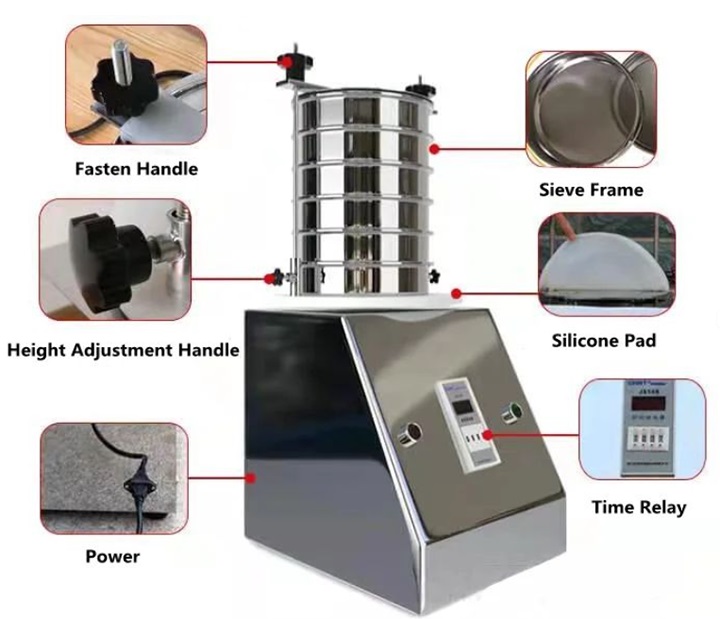
To achieve reproducible results, manual shaking is replaced by mechanical separation units. These test sieves are engineered with standard skirt designs that fit directly into global laboratory shakers, including industry models like NEXOPART and Retsch electromagnetic shakers.
For fine catalyst powders under 45 microns, traditional mechanical tapping often fails due to electrostatic agglomeration. In these cases, the sieves interface with ultrasonic driving systems. The ultrasonic generator transmits a high-frequency, low-amplitude wave directly to the mesh surface, breaking the static bonds between fine particles and preventing aperture blinding without damaging the delicate wire structure.
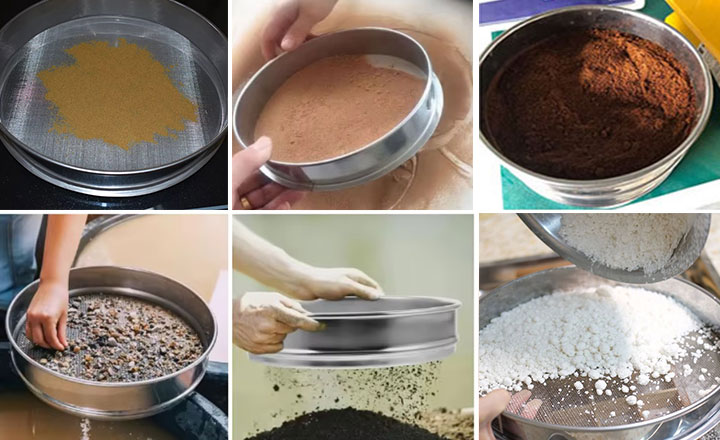
In a chemistry laboratory, a sieve is an analytical tool used to separate solid mixtures by particle size, determine particle size distribution curves for quality documentation, and remove oversized agglomerates from powder precursors before chemical synthesis.
AS 1152 is the Australian standard governing the technical requirements for test sieves. It defines the wire diameters, frame dimensions (typically 200mm or 300mm), and permissible aperture tolerances, aligning closely with international ISO 3310 requirements for laboratory testing media.
The procurement cost is determined by three variables: the grade of raw material (SUS316L commands a premium over SUS304), the level of certification required (individual optical inspection certificates cost more than standard factory compliance sheets), and the mesh size, as fine micronic mesh under 38 microns requires intensive manufacturing tolerances.
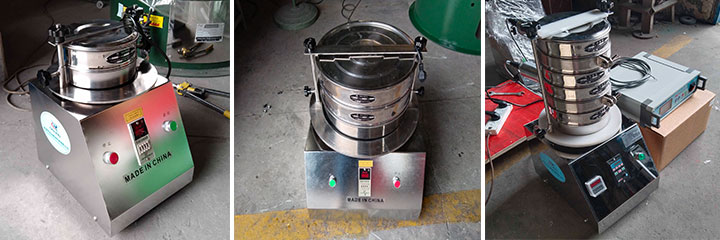
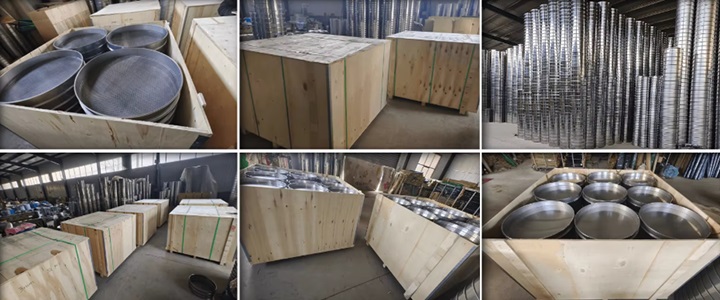
Selecting the appropriate laboratory equipment for chemical catalyst evaluation requires attention to material purity and mechanical tolerances. Utilizing SUS316L seamless test sieves prevents sample contamination and maintains calibration accuracy under corrosive testing conditions. Integrating these units into standardized laboratory workflows yields reproducible particle distribution data necessary for chemical research and industrial quality assurance.
Ultrasonic Sieves for Fine Powder
Ultrasonic Sieves for Fine Powder adds an ultrasonic system to a regular vibrating screen, enabling the sieving of fine powders...
Sonic Sieve Shaker for Metal Powder Testing
Metal powders possess unique physical properties. When particle size decreases to the micrometer level...
Stainless Steel Test Sieve For Pharmaceutical Powder
Stainless Steel Test Sieve For Pharmaceutical Powder can be used to detect the particle size of pharmaceutical powders and separate powders of different coarseness...
Test Sieve For Cement Fineness Testing
Test Sieve For Cement Fineness Testing are common screening tools used in cement production, quality inspection, and engineering construction to determine the fineness of cement particles...
Are you interested?

Then we look forward to hearing from you